Lebanese Cabinet Approves Diplomatic Ties with Syria

Source: Al-Manar TV, 21-8-2008
Unlike other sessions, Thursday's Cabinet session was described as "very calm" away of the issues that divides the two Lebanese rival camps.
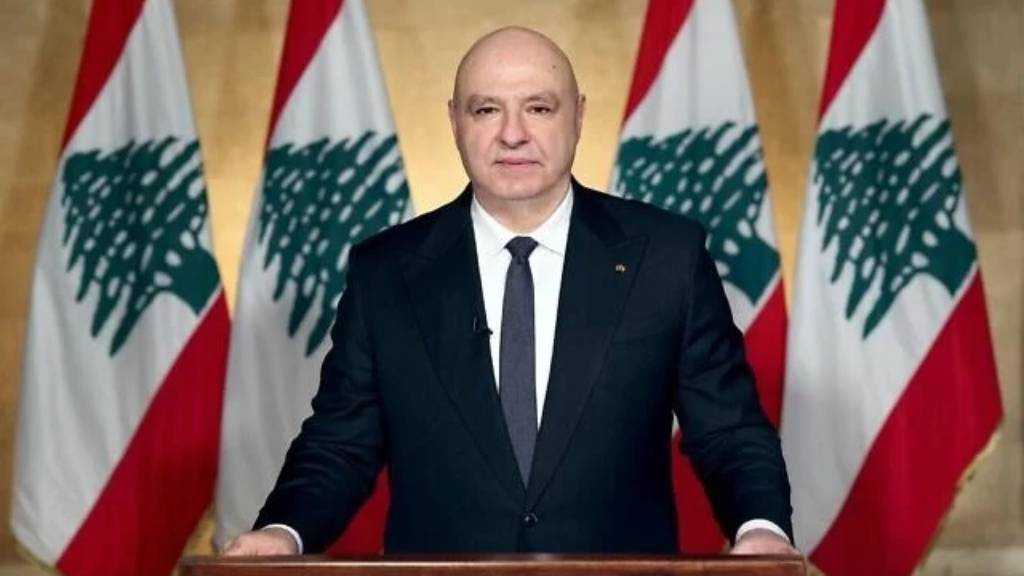
The Lebanese cabinet has agreed to establish diplomatic ties with Syria and open an embassy in Damascus, but has decided to postpone the delicate issue of appointing a new army commander. "The cabinet has decided to establish diplomatic relations between Lebanon and the Syrian Arabic Republic, including setting up an embassy in Damascus," Information Minister Tareq Mitri announced after the 5-hour Cabinet meeting which ended around 10:00 pm Thursday.
The decision came following a landmark summit between President Michel Suleiman and his Syrian counterpart Bashar al-Assad in Damascus last week in which the two leaders agreed on establishing diplomatic relations.
Mitri said that Suleiman has decided to postpone the issue of key security appointments, including the post of the army commander, until next week.
News reports on Friday said that the dispute over the appointment of a new army commander was not one between the loyalty bloc and the national opposition, but rather within the loyalty camp itself.
Lebanese Daily As-Safir said that head of the Democratic Gathering Walid Jumblat has a different point of view from the rest of the loyalty bloc with regard to the two candidates who could be considered to the army command post.
News reports had said that the two candidates with the highest chances to become new army commander were Intelligence chief Brig. Gen. George Khoury and Brig. Gen. Jean Qahwaji.
Mitri said the debate over giving the deputy premier privileges has also been put off. "The issue of privileges of the deputy premier is a just cause, but should be resolved by dialogue and in line with the Constitution and the Taif Accord," Mitri said at a press conference.
Deputy Prime Minister Issam Abu Jamra has complained that he should be given more constitutional privileges. He called for establishing his own office at the Grand Serail so he could "keep an eye" on Premier Fouad Saniora.
At last week's summit in Damascus, both Lebanon and Syria pledged to take concrete steps toward setting up embassies in their respective capitals for the first time. They also pledged to take formal steps to demarcate their borders and normalize relations after years of tension. They have pledged to take measures to achieve "results as soon as possible."
LEBANON TO COMPLAIN TO UN ABOUT "Israeli" THREATS
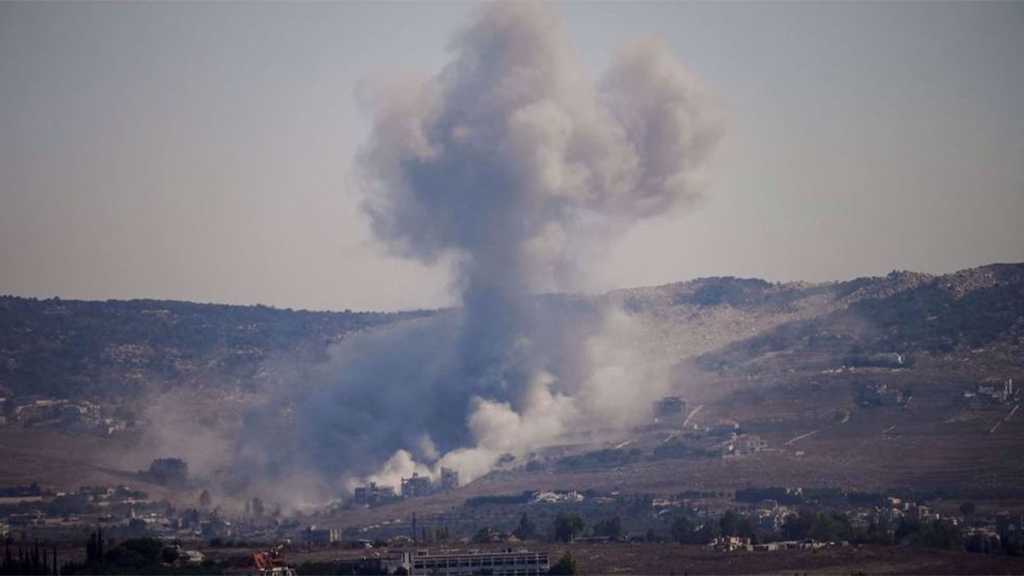
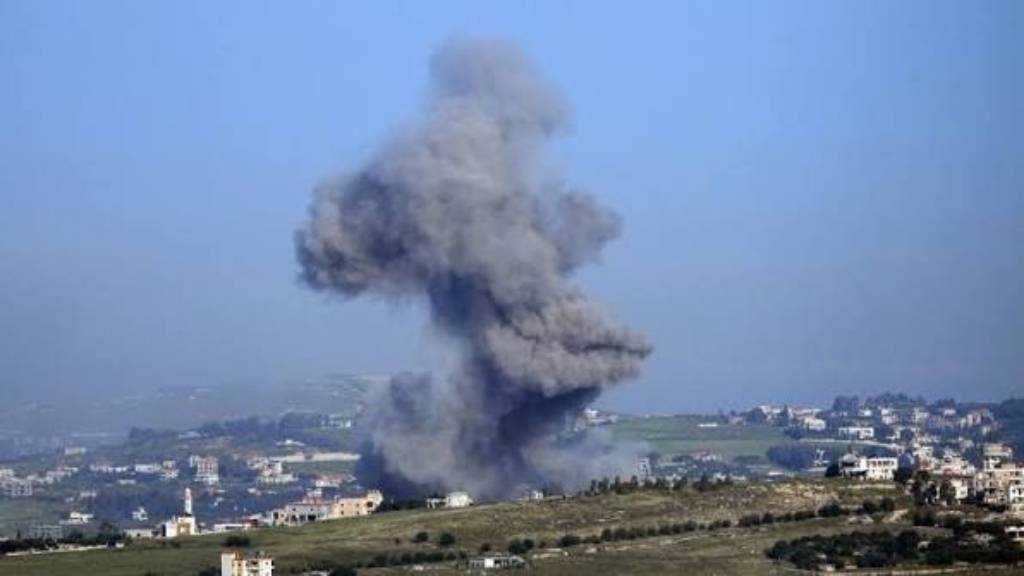
Moreover, the cabinet has decided to complain to the United Nations about the latest "Israeli" threats to hit all of Lebanon if Hizbullah takes over.
Mitri announced after the cabinet meeting that Premier Saniora will send a letter to U.N. chief Ban Ki-moon complaining to him about the "Israeli" threats that all of Lebanon, including its civilian infrastructure, will be a target in any new "Israeli" war with Hizbullah. Mitri said Saniora condemned the "Israeli" threats which he labeled as "unacceptable."
"Israel" "creates pretexts to attack Lebanon and its people," Saniora told the cabinet. "Israel" "once again is threatening to launch a new attack on Lebanon, forgetting that the ("Israeli") occupation was the core of the problem for Lebanon and the region," Saniora added.
RAAD: HIZBULLAH IS A PART OF THE NATION AS A WHOLE
Head of the Loyalty to the Resistance bloc, MP Mohammed Raad, said that Hizbullah "does not have a private scheme it wishes to impose on others, rather we consider ourselves part of the nation as a whole."
"We are the resistance but we do not claim exclusivity," Raad said at a ceremony for the Imam al-Mahdi institution. "Lebanon has no choice except dialogue and consensus."
FADLALLAH: ARMY SHOULD STAY OUT OF POLITICS
Meanwhile, Loyalty to the Resistance bloc MP Hassan Fadlallah said the army should "stay out of politics" and said that politicians needed to use more restrained language.
Addressing a religious ceremony on Thursday, Fadlallah said that it was "up to President Michel Suleiman" to set the agenda of, and regulations for, the coming national dialogue.
Fadlallah said the dialogue should include "national defense strategy, Hizbullah's relation to the state, and economic and social conditions."