Palestinians will fight "Israeli" attack’ - Abbas may resign if embargo continues
Source: The News, 5-5-2007
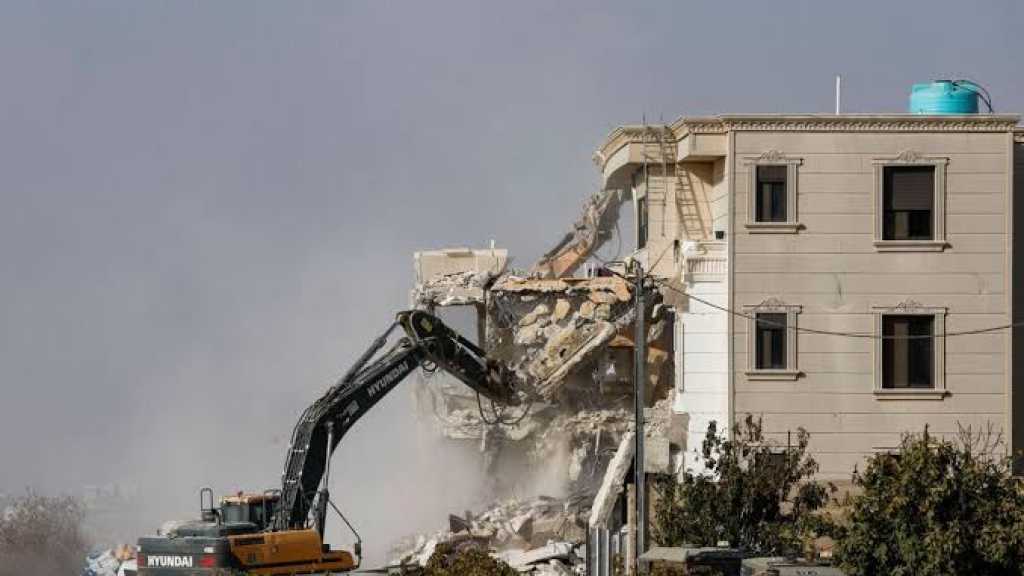
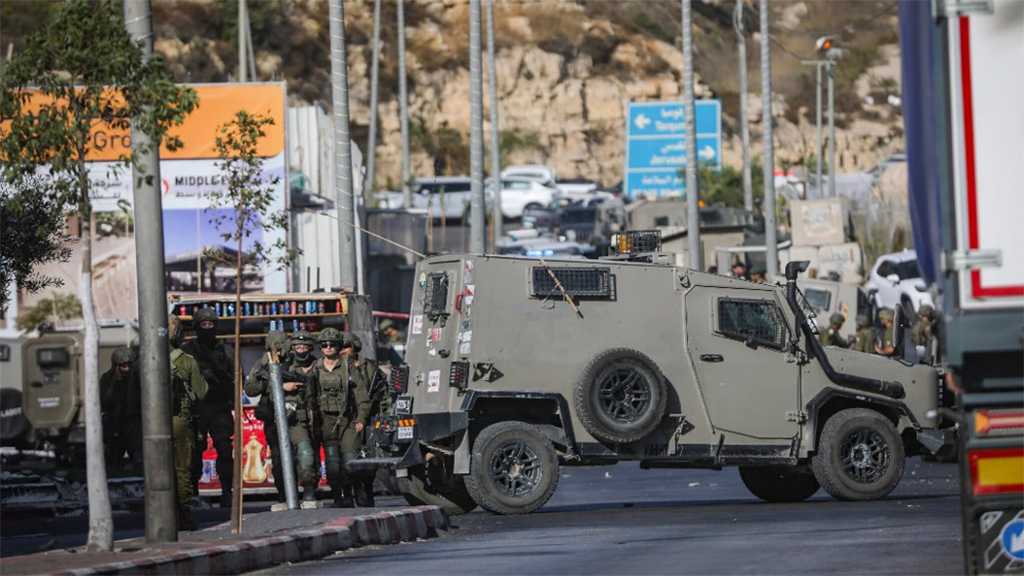
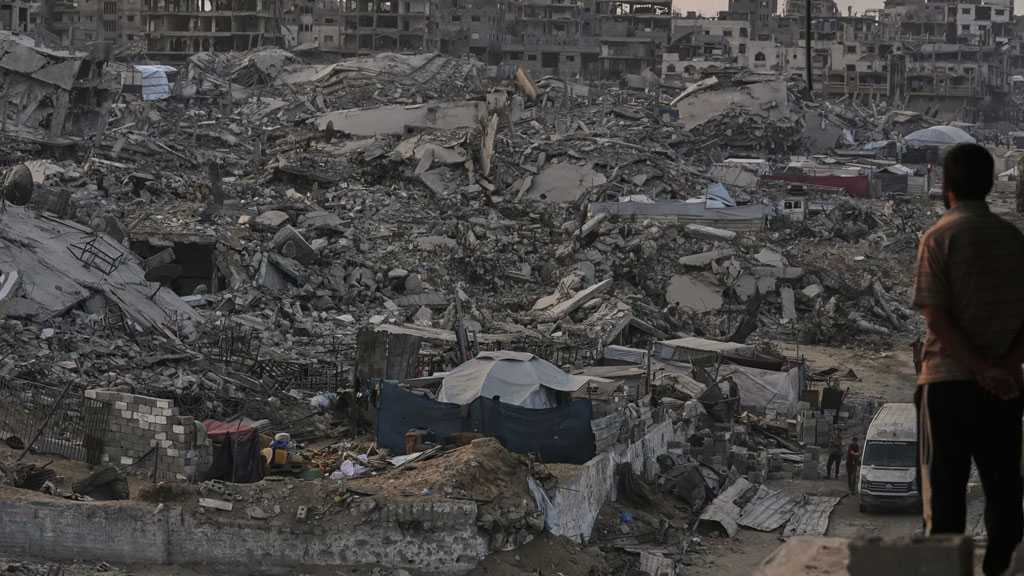
GAZA CITY/RAMALLAH/WASHINGTON: Palestinian Prime Minister Ismail Haniyeh warned on Friday that Palestinians would put up a fight against any "Israeli" incursion into the troubled Gaza Strip.
"It is the right of military factions to defend our homes against any `Israeli` aggression," Haniyeh, of the Islamic group Hamas, told worshippers during Friday prayers in Gaza City.
In recent weeks, numerous "Israeli" officials have advocated an incursion into Gaza to stop activists from firing rockets on the Jewish (Zionist) state and the alleged smuggling of weapons into Gaza from Egypt.
The premier again accused "Israel" and its main ally, Washington, of futile efforts to foment factional unrest among the Palestinians.
"The Zionists and the Americans are working day and night to stir up civil war between the Palestinian factions and Palestinian brothers, but we confirm our unity," he said, repeating a charge he first levelled in January.
Scores of Palestinians were killed in Gaza in factional violence before the creation of a unity cabinet between the Hamas and President Mahmud Abbas's Fatah party on March 17 put a lid on the tensions.
Meanwhile, President Mahmoud Abbas told allies on Thursday he might resign in two months if Western sanctions on the Palestinian government were not lifted, a senior official said on Friday.
The comment may increase pressure on Western powers keen to bolster Abbas at the expense of the Hamas party that won an election last year and leads the Palestinian government.
Abbas toured European and Arab capitals last month in a bid to ease an aid embargo and other economic sanctions imposed in response to Hamas's refusal to renounce violence or recognise "Israel".
"In the next two months, if the siege is not lifted, then Abu Mazen may resign," the official, a leading figure in Abbas' Fatah faction, told Reuters. Abbas's office had no immediate comment.
Abbas, popularly known as Abu Mazen, made the remark at a meeting of senior Fatah officials on Thursday. It is unclear whether resigning is a serious option under consideration by Abbas or merely a negotiating gambit.
Resignation could trigger an election which many fear could turn into a bloody showdown between Hamas and Fatah activists.
Abbas hoped to ease factional fighting and persuade Western nations and "Israel" to end sanctions that have crippled the Palestinian economy by forming a unity coalition government in March, including Fatah ministers under Prime Minister Ismail Haniyeh of Hamas. The embargo, however, goes on.
"He is very frustrated at the continuation of the siege. He hoped by forming the unity government the sanctions would be eased. That is not happening. He is very frustrated."
Deputy Prime Minister Azzam al-Ahmad, a Fatah leader, said on April 30 the unity government should be disbanded if the embargo were not lifted within three months.
Abbas's long-running threat to call an election faded after he agreed to form the unity government with Hamas.
But a recent update to the Palestinian voter rolls, and increased US funding for political "party strengthening" programmes, has stoked suspicions within Hamas's ranks that the Fatah leadership may be preparing to push for a snap election.
The Bush administration informed Congress in March that it was setting aside $1.7 million to bolster the Palestinian Central Elections Commission, an independent body whose top members are appointed by Abbas.
Prime Minister Ismail Haniyeh, a Hamas leader, said the group would reassess its options in one to two months if sanctions remained in place.
Haniyeh did not say that disbanding the government was one of those options.
In a related development, The State Department confirmed on Friday having circulated guidelines to "Israelis" and Palestinians about the next confidence-building measures to be taken as part of efforts to revive the peace process.
But department deputy spokesman Tom Casey played down the notion that the document tried to enforce a strict timetable for implementing the measures.
"These are suggestions and ideas that we've had and we've circulated-it's not any kind of formal agreement nor is it something that's being forced on anybody," Casey told reporters.
Casey said the guidelines concerned measures laid down in the so-called Road Map of peace steps unveiled by major power brokers in 2003 but which has largely gone unimplemented.