- Home
- ISLAMIC RESISTANCE
- SECRETARY-GENERAL
-
Full Speeches
- Speeches-2000
- Speeches-2006
- Speeches-2007
- Speeches-2008
- Speeches-2009
- Speeches-2010
- Speeches-2011
- Speeches-2012
- Speeches-2013
- Speeches-2014
- Speeches-2015
- Speeches-2016
- Speeches-2017
- Speeches-2018
- Speeches-2019
- Speeches-2020
- Speeches-2021
- Speeches-2022
- Speeches-2023
- Speeches-2024
- Speeches-2025
- Speeches-2026
- Speech-Reports
- SG
-
Full Speeches
- Voices
- Ten Day Dawn
- The Biggest Crime
- Martyr Leaders

B`Tselem: “Israeli” restrictions in West Bank are "effectively collective punishment"
Source: PIC, 12-8-2007
NAZARETH - A report by the "Israeli" human rights group B`Tselem has charged that Tel Aviv had denied Palestinians freedom of movement for seven years now to ease travel for "Israeli" settlers in the West Bank in what it called a "collective punishment" measure.
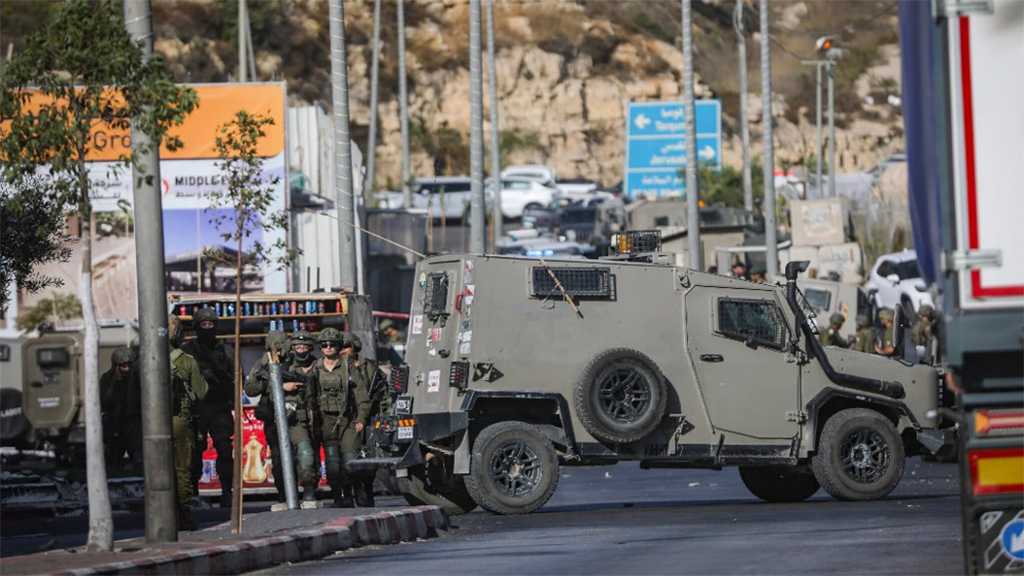
It underlined that "Israel" maintains 47 checkpoints and 455 physical obstructions inside the West Bank, and added that Palestinian travel on 312 kilometers of road is restricted or prohibited.
The group published a comprehensive report on the restrictions "Israel" has imposed on Palestinian travel in the West Bank since the beginning of the second intifada in a 100-page report that details how "Israeli" occupation authorities have turned "Palestinian freedom of movement from a fundamental human right into a privilege that ‘Israel' grants or withholds as it deems fit".
The report elaborated on how "Israel" employs a combination of several measures to implement its regime of restrictions. "These include 47 checkpoints inside the West Bank, 455 physical obstructions on roads, and the Separation Barrier, 80 percent of which lies inside the West Bank. On 312 kilometers of main roads in the West Bank, vehicles bearing Palestinian license plates are forbidden or restricted".
"‘Israel' has imposed the restrictions in a way that splits the West Bank into six subsections. This geographic division has far-reaching effects on every aspect of Palestinian life including the fact that those restrictions impede access to medical services, the difficulty in getting to work, the constant lack of certainty, and the greater expenses resulting from the restrictions gravely affect the economy and trade in the West Bank.
"The restrictions impair family and social ties", the report noted, adding that other "negative ramifications include a decline in the supply of infrastructure services and in law enforcement in areas under the responsibility of the Palestinian Authority".
"A substantial proportion of the restrictions are intended to serve ulterior interests, rendering the restrictions illegal. Furthermore, even if all the restrictions were intended to achieve legitimate security interests, many of them would violate the principle of proportionality, and therefore be illegal. It is also clear that the restrictions result in what is effectively collective punishment", the report resolved.
- Related News