- Home
- ISLAMIC RESISTANCE
- SECRETARY-GENERAL
-
Full Speeches
- Speeches-2000
- Speeches-2006
- Speeches-2007
- Speeches-2008
- Speeches-2009
- Speeches-2010
- Speeches-2011
- Speeches-2012
- Speeches-2013
- Speeches-2014
- Speeches-2015
- Speeches-2016
- Speeches-2017
- Speeches-2018
- Speeches-2019
- Speeches-2020
- Speeches-2021
- Speeches-2022
- Speeches-2023
- Speeches-2024
- Speeches-2025
- Speeches-2026
- Speech-Reports
- SG
-
Full Speeches
- Voices
- Ten Day Dawn
- The Biggest Crime
- Martyr Leaders

Palestinian refugees promise to go back home
Source: AFP, 02-04-2007
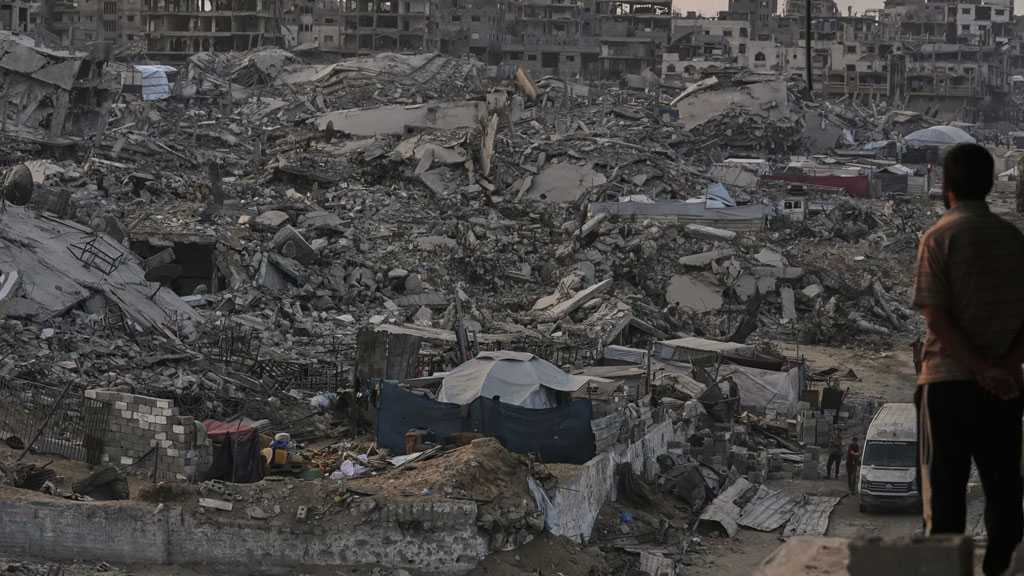
JABALIYA REFUGEE CAMP, Gaza Strip: At 85, Abdelrahman al-Mabhuh still believes he will one day leave his miserable refugee camp in the Gaza Strip and return to lands that were once his in neighboring "Israel". "The "Israelis" will be defeated and chased off our country. I saw it in a dream, it will happen in 11 years," he is sure.
The Jabaliya refugee camp is today the biggest Palestinian refugee camp in the Middle East, with over 106,000 people living in density and squalor.
Mabhuh is one of about 760,000 Palestinians who fled or were driven away from their homes in the months before and following the creation of the Jewish state in May 1948.
Almost 4.5 million Palestinian refugees and their descendants live today in dozens of refugee camps across the Middle East in precarious conditions, and their plight is a major stumbling block to peace.
"Israel" vehemently rejects any suggestions of a return for the refugees, arguing the influx would effectively erase the Jewish character of the state they built during the recent decades, while Palestinians view the right of return as sacred.
When Arab states unanimously adopted last week a plan offering full normalization of ties with "Israel" in exchange for the return of all occupied Arab lands, creation of a Palestinian state and the return of refugees, the Jewish (Zionist) state balked at the latter element.
But the recent flurry of peace diplomacy hardly left an impression on Mabhuh, who grew up in the today-vanished village of Batani just a few kilometers away from the Gaza Strip. The right of return is not subject to any negotiations, he says.
"We will never give up. They chased us away from our paradise and we have since fought for our return," he says.
Like many Palestinian refugees, Mabhuh has kept the key to his Batani home, a symbol of his desire to return and of the Palestinian national cause.
The grandparents of Suheila al-Taluli, 40, lived before the 1948 war in the village of Dimra, not far from Batani, and again of which no trace has remained.
"My grandmother told me before she died many stories about her village. She would often break down in tears from the memories and pain," she says. "She raised her children on love of the cause. One of them died as a martyr and others are today in `Israeli` prisons."
Sitting in front of her ramshackle home, Taluli`s neighbor, Latifa al-Hilu, is too old to remember her age, but she keeps a vivid image of her home in the village of Beit Jirja where today stands an "Israeli" community.
"It was a beautiful two-story house. My father fell sick when he heard that it was destroyed after we left," she says.
"We lived there comfortably with the income from our fields. Today we live on humanitarian aid, but we will return one day," she promises.
"Nothing in this world will make me give up my right of return. Jabaliya is not my home. Home is the village where my parents and grandparents were born and sooner or later we will return," says Suheila.
According to the United Nations, Palestinian refugees and their descendants numbered 4.45 million by the end of 2006, with 1.85 million living in Jordan, 442,363 in Syria and 408,438 in Lebanon, in a total of 95 camps.
"Israeli" Prime Minister Ehud Olmert said Friday that the return of any Palestinian refugee was "out of the question."
"I`ll never accept a solution that is based on their return to `Israel`, any number," the premier said in an interview with the Jerusalem Post.
- Related News