Palestinians doubt latest promises of support by UN & Lebanese govt
Source: IRIN, 15-11-2006
BEIRUT: Residents of overcrowded Palestinian refugee camps in Lebanon say they are doubtful that a joint initiative by the government and the UN to improve their living conditions will bring them any benefits. "None of this will happen. No one here helps the Palestinians," says Ahmad Hassan, an unemployed Palestinian refugee who lives in the Shatila camp on the outskirts of Beirut.
Hassan is one of more than 400,000 Palestinian refugees officially registered with the UN Relief and Works Agency (UNRWA) in Lebanon. Just over half of the Palestinian refugees live in 12 camps controlled by Palestinian authorities. Shatila has more than 8,000 residents.
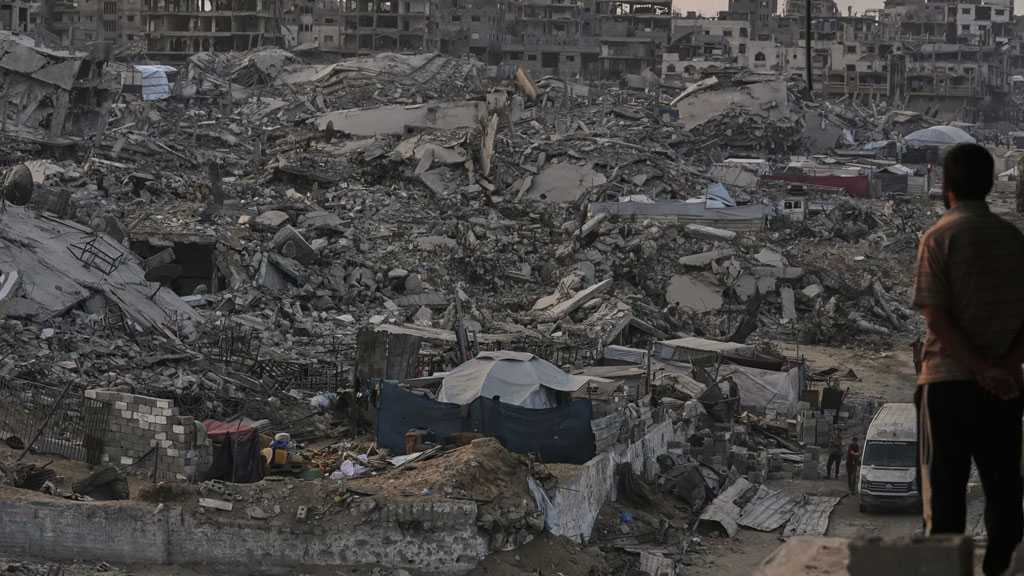
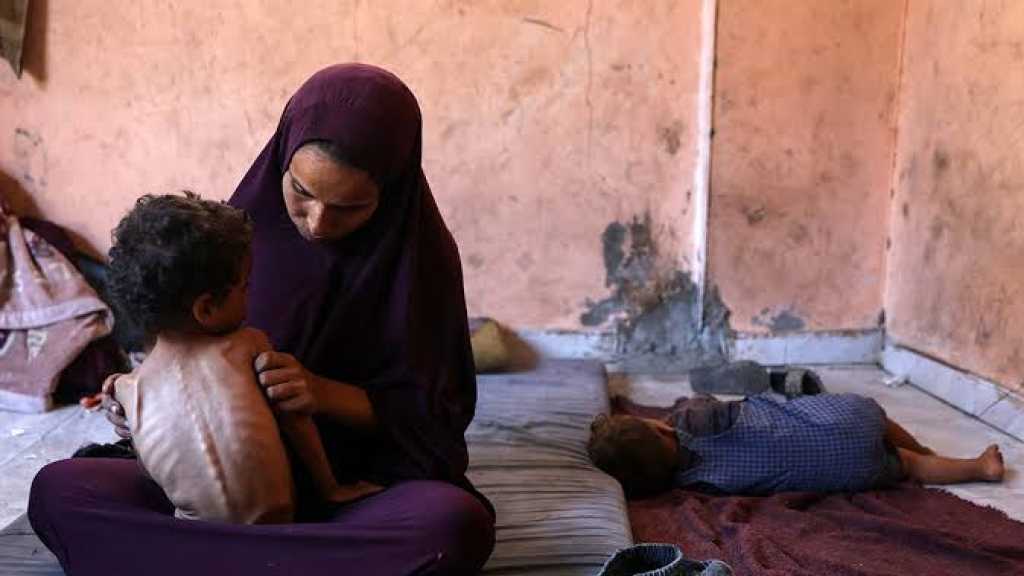
Although the camps have concrete buildings and basic infrastructure, they are run down, overcrowded, with poor sewage systems and inadequate or no garbage collection network. Unemployment is high and health services are limited, as the Palestinians have no access to government health or social services, and rely solely on UNRWA.
The improvement initiative, introduced more than a year ago under an agreement between UNRWA and the Lebanese government, aims to develop infrastructure in these camps.
On November 2, UNRWA and high-ranking Lebanese government officials in charge of Palestinian refugees said a plan to improve Shatila was making good progress.
But day laborer Khamis Sukkar, another resident of Shatila, says he is not impressed and doubts the initiative will really change his life for the better.
"We have been promised much before, and nothing worthy of note has ever been achieved. The problems we have are structural and run very deep," says Sukkar, a builder by profession, who adds that he can barely support his family on the $8 a day he earns.
Refugees registered with UNRWA are entitled to the services it provides, but the agency admits to struggling to meet needs with the limited resources it has. Richard Cook, head of UNRWA for Lebanon, said recently that conditions in these camps are "some of the worst I have seen in my UN career."
"You should visit us on a rainy day," Sukkar says. "You`ll see floods all through the alleyways, part rain, part sewage. It`s absolutely disgusting, and for days afterward the camps remain almost uninhabitable."
For years, the Lebanese government has promised to do something about the camps but little has been done. However, some analysts said that Prime Minster Fouad Siniora`s commitment with UNRWA in October 2005 to deal with the issue marked a turning point.
The recent war with "Israel" has given added impetus to the commitment as the country engages in a massive rebuilding effort.
"After more than 55 years of neglect, the Palestinians naturally feel suspicious and apprehensive," says Hilal Khashan, political science professor at the American University of Beirut.
"But I really think this time round things might be different. The government wants to improve the overall situation in the camps as part of its [postwar] reconstruction and rehabilitation plan for Lebanon," he adds.
According to Sven Berthlsen, UNRWA deputy director in Lebanon, the improvement initiative will be implemented over a period of up to four years. It began last year, and calls for international funds are ongoing as new projects deemed essential are being identified.
Among the projects are upgrades in sewage, water and electricity systems, as well as a plan to construct hundreds of new homes, Cook said.
UNRWA defines "Palestine refugees" as people whose normal place of residence was Palestine between June 1946 and May 1948 and who lost their homes and means of livelihood as a result of the 1948 Arab-"Israeli" conflict. Descendants of such people are also defined as Palestine refugees.