Lebanon renews demand for compensation from "Israel" for damage inflicted during 2006 war

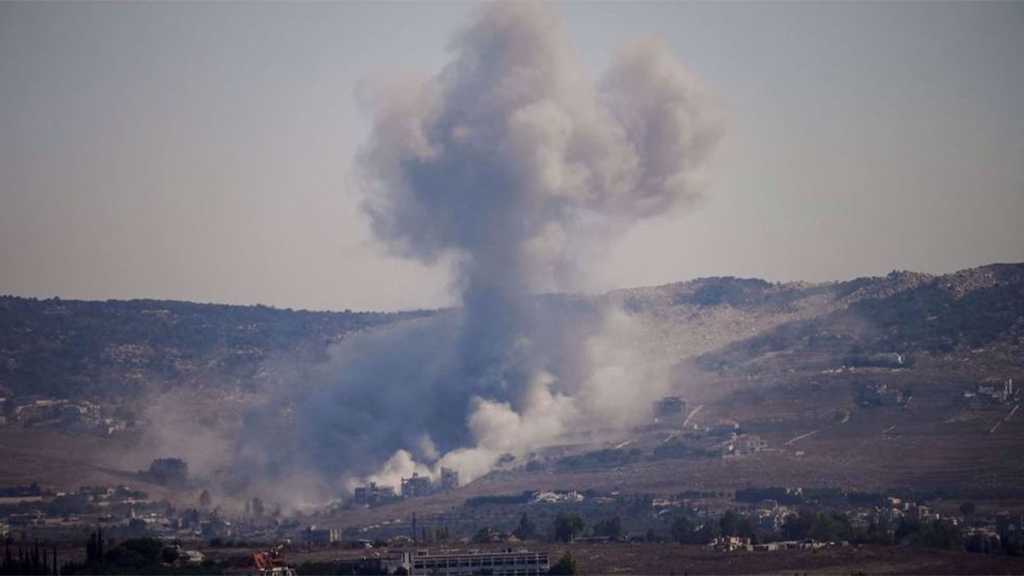
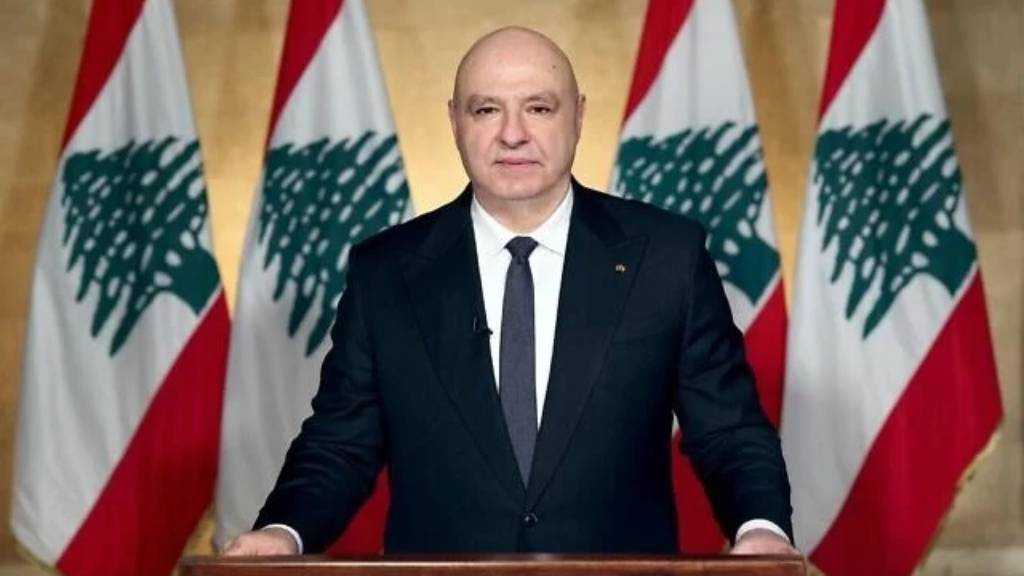
BEIRUT: Lebanon on Tuesday renewed its demand that "Israel" pay compensation for damage inflicted during the summer 2006 war. Lebanon's permanent representative to the United Nations, Nawwaf Salam, passed on an official letter to Secretary General Ban Ki-moon outlining repeated "Israeli" violations of UN Security Council Resolution 1701. Prime Minister Fouad Saniora demanded in the letter that "Israel" compensate Lebanon for inflicting "unimaginable losses" on the country's infrastructure, which has not yet fully recovered.
The letter also accused the 'Jewish' (Zionist) state of hindering efforts to demarcate the Blue Line border, and demanded "Israel" withdraw from the occupied (occupied) Shibaa Farms and the northern side of Ghajar, which sits on the "Israel"-Lebanon border. "Israel" has continued to occupy the Lebanese side of Ghajar north of the UN designated border demarcated in 2000, despite a December 2006 Cabinet decision to hand it over to UN peacekeeping force UNIFIL.
Ban has previously urged "Israel" to pay $1 billion in compensation, mainly for damage inflicted on the Lebanese coastline following "Israel's" bombing of an oil reserve. The attack, considered to be Lebanon's worst ever environmental disaster, released 12,500-15,000 tons of fuel oil into the Mediterranean Sea, polluting two-thirds of Lebanon's coastline and killing already endangered marine life. It also affected nearby countries like Syria, Cyprus and Turkey.
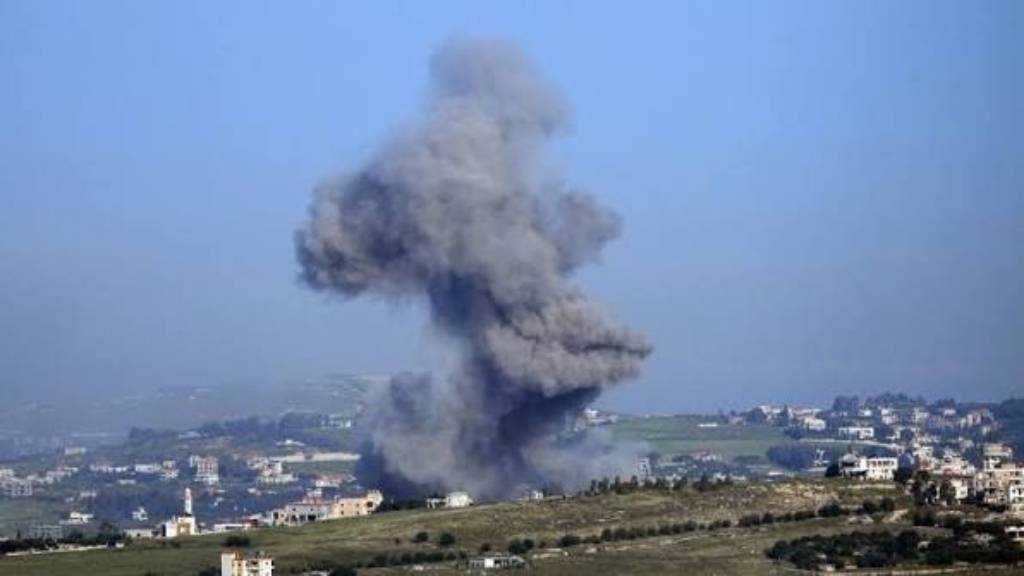
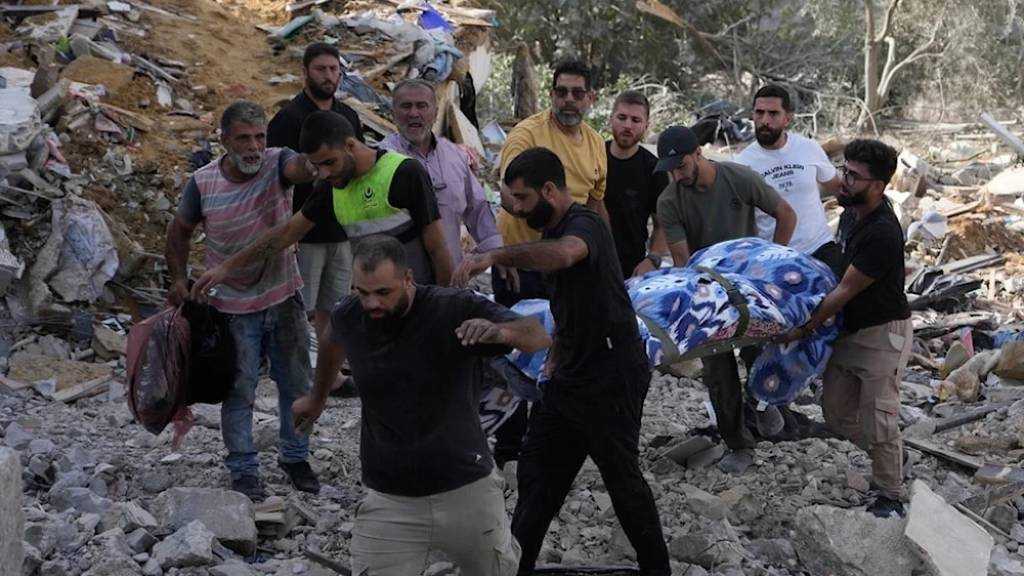
Aside from environmental destruction, Lebanon also suffered extensive damage to its infrastructure during the 34-day war, in which 1,191 Lebanese, mostly civilians, were killed and 4,409 others wounded. "Israel" maintained a tight sea and air blockade on the country throughout and following the war, impeding humanitarian assistance and evacuation efforts.
More than two years after from the war, unexploded cluster munitions continue to beleaguer the Lebanese. According to the UN, "Israeli" warplanes dropped an estimated 4 million cluster bombs over south Lebanon during the last 48 hours of the conflict, when a ceasefire was practically guaranteed.
A report by the UN-appointed Commission of Inquiry on Lebanon in November 2006 said "Israel" had used "excessive, indiscriminate and disproportionate use of force" during the conflict, which was timed after Hizbullah's taking prisoner two "Israeli" soldiers.
According to the Lebanese government, 32 "vital points" came under attack, with some 109 bridges, 137 roads and 137 factories targeted by "Israeli" air strikes. Thirty UN positions came under "direct attack," added the report, resulting in the death of internationally "protected personnel." A number of medical facilities and private homes also came under fire, as did the world heritage sites of Tyre and Byblos. But "Israel" has never heeded repeated requests for compensation.
Lebanon's latest demand comes after "Israel" filed a complaint to the UN Security Council in which it held the Lebanese government responsible for Katyusha rockets fired into northern "Israel" (occupied Palestine) on Saturday. "The situation on the northern border is worrisome," said "Israeli" Deputy Ambassador to the UN Danny Carmon after lodging the complaint, and "may force ‘Israel' to change its current policy to ensure the security of its inhabitants."