- Home
- ISLAMIC RESISTANCE
- SECRETARY-GENERAL
-
Full Speeches
- Speeches-2000
- Speeches-2006
- Speeches-2007
- Speeches-2008
- Speeches-2009
- Speeches-2010
- Speeches-2011
- Speeches-2012
- Speeches-2013
- Speeches-2014
- Speeches-2015
- Speeches-2016
- Speeches-2017
- Speeches-2018
- Speeches-2019
- Speeches-2020
- Speeches-2021
- Speeches-2022
- Speeches-2023
- Speeches-2024
- Speeches-2025
- Speeches-2026
- Speech-Reports
- SG
-
Full Speeches
- Voices
- Ten Day Dawn
- The Biggest Crime
- Martyr Leaders

UK: Burnham Steps Up Pressure on ’Israel’ Over Gaza
By Staff, Agencies
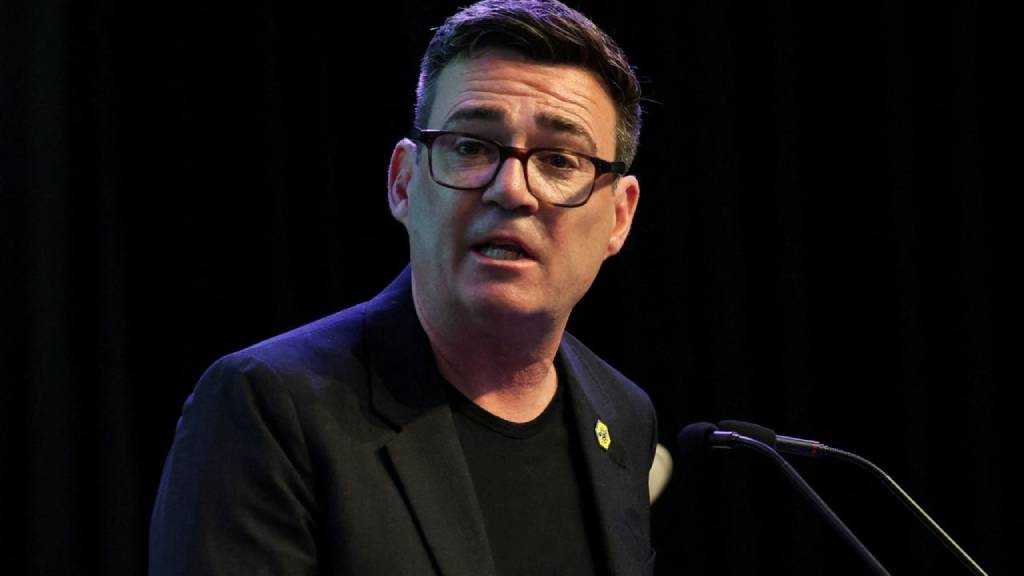
Andy Burnham, who is expected to become Britain’s next prime minister later this month, has called for increased pressure on the "Israeli" occupation entity over its actions in Gaza, according to an interview with The Guardian published Thursday.
Burnham criticized current Prime Minister Keir Starmer's initial response to the "Israeli" genocide in Gaza, which began in October 2023 and is still ongoing despite a ceasefire in force.
Meanwhile, Stramer had initially defended "Israeli" crimes in Gaza, including withholding aid and the blockade, claiming that the occupation, which massacred tens of thousands of Palestinians, was acting within its "right to self-defense".
Speaking to The Guardian, Burnham said "We’ve got to do more to put pressure on the 'Israeli' [government] ... Yes, we have taken some important steps ... But let’s be honest, the UK was too slow to call for a ceasefire. And we must now do more to strengthen our approach.”
Previously, Starmer had rejected calls, including from Burnham, for an immediate ceasefire, instead backing a humanitarian pause.
Later, however, the British prime minister later backed a ceasefire, criticized the "Israeli" occupation's Gaza conduct, sanctioned far-right "Israeli" ministers, and recognized a Palestinian state.
Despite the ceasefire, "Israeli" forces have continued strikes in Gaza, claiming threats from Hamas, which says it has upheld the truce and carried out no military activity since October.
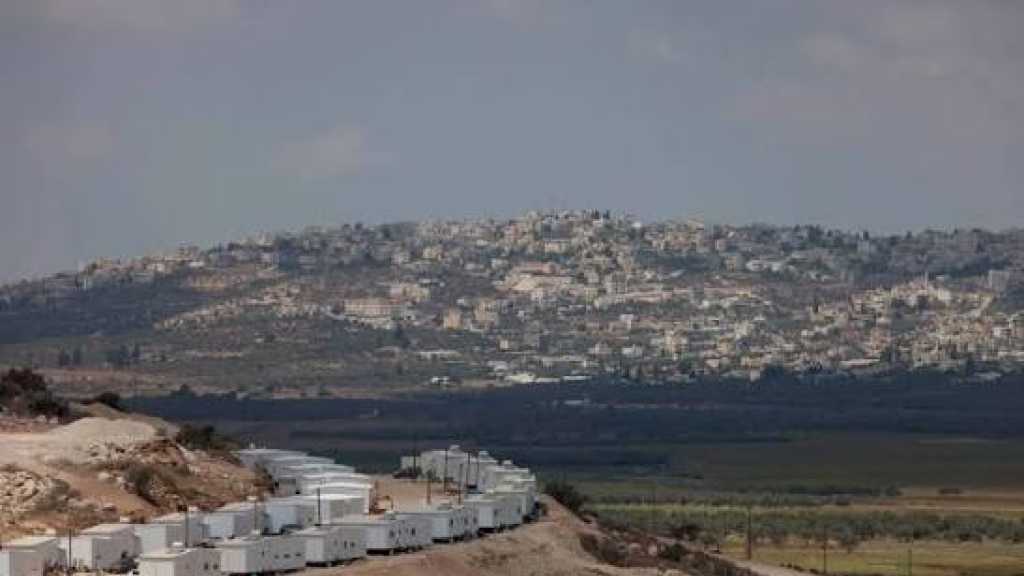
In addition, Burnham called for further measures against those involved in Gaza violence and restrictions on trade with illegal settlements, saying the UK “needs to do more.”
Beyond Burnham’s remarks, the UK government has faced sustained criticism over its response to the "Israeli" war on Gaza, particularly over its continued military and intelligence cooperation with the occupation entity.
Furthermore, London continued approving arms exports to "Israel" after the start of the war, with rights groups and opposition figures arguing that the government had failed to take sufficient action to prevent British-made weapons from being used in Gaza genocide.
Similarly, the UK carried out surveillance flights over Gaza, with the missions involving Royal Air Force aircraft operating from bases in the region.
Domestically, the government's Gaza policy triggered widespread public opposition, with large demonstrations taking place across the country calling for an end to the war and greater protection for Palestinian civilians.
Meanwhile, Palestinian rights advocates and campaigners also raised concerns over growing restrictions on Palestinian solidarity speech, including the use of anti-terror legislation against activists and the scrutiny of expressions of support for Palestinian causes.
Comments
- Related News
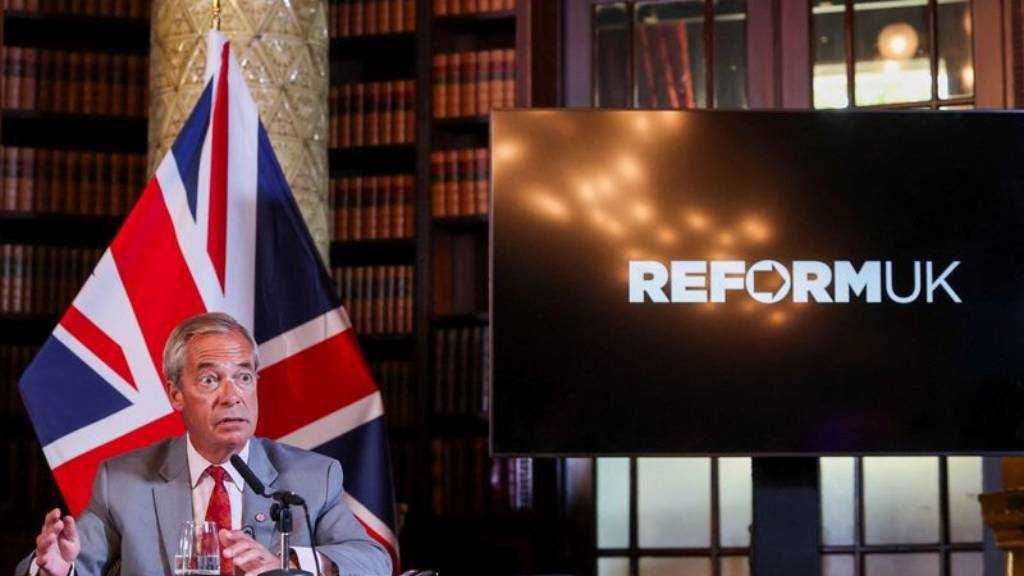
UK to Ban Trade with Illegal “Israeli” Settlements
one month ago