Iraq Welcomes More than 4.8 Million Foreign Visitors for Arbaeen
By Staff, Agencies
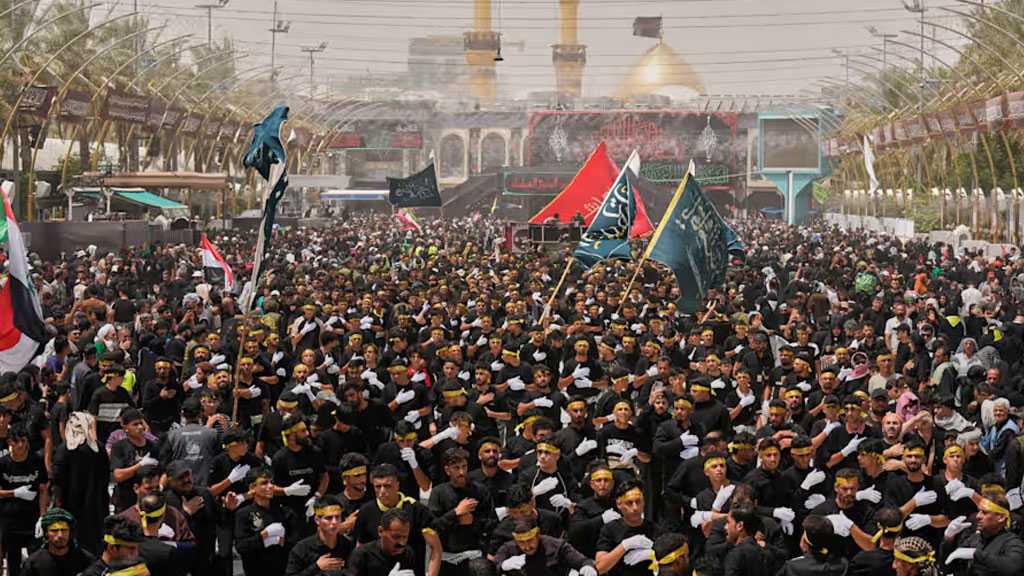
More than 4.8 million foreign visitors have entered Iraq to participate in the Arbaeen pilgrimage commemorating Imam Hussein’s martyrdom, as millions of worshippers continue gathering in the holy city of Karbala under extensive security and service measures.
According to Iraq's Security Media Cell, 4887660 pilgrims from around the world had entered Iraq as of Monday night, with visitors continuing to arrive for one of the world's largest annual religious gatherings.
The Arbaeen marks 40 days since Ashura, the 10th of the month of Muharram, the day Imam Hussein [AS], the grandson of Prophet Muhammad, was martyred in the battle of Karbala. The event is one of the most significant observances in the Shiite Islamic calendar, drawing millions of pilgrims from Iraq and abroad each year.
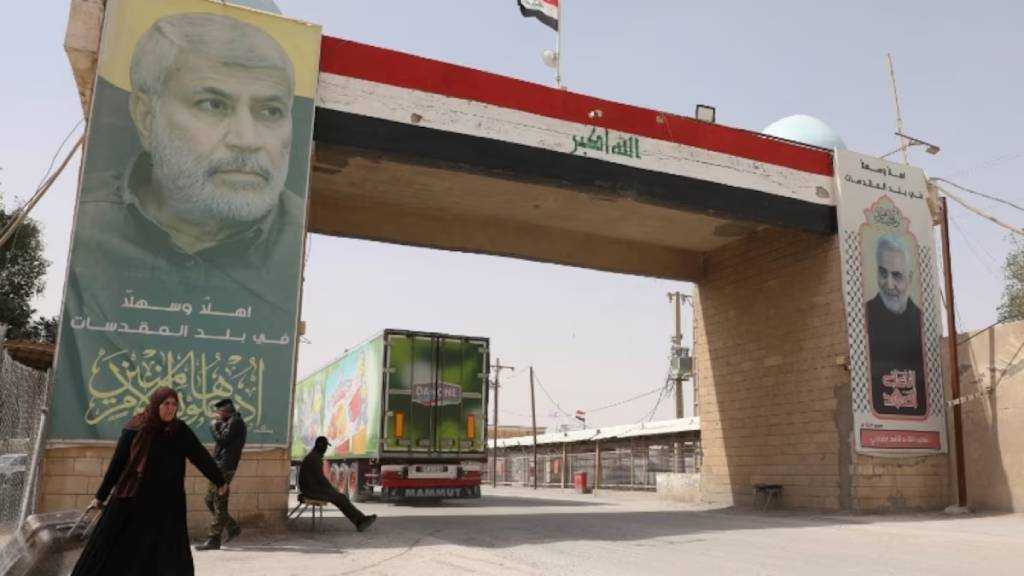
Iraq's Security Media Cell said authorities continue to implement a comprehensive security and service plan in coordination with security forces, government agencies, and supporting institutions to facilitate the movement of pilgrims and maintain smooth operations at border crossings and along major transportation routes.
The agency said the latest figures showed that 4887660 foreign pilgrims had entered Iraq since the beginning of Muharram, with the number continuing to rise as visitors arrive from different countries.
The General Traffic Directorate said approximately 16000 officers and personnel have been deployed to regulate vehicle movement into and out of Karbala as part of the Arbaeen plan.
An Iraqi official told the Iraqi News Agency [INA] that the holy city of Karbala is witnessing the peak influx of visitors commemorating Imam Hussein [AS], with high attendance expected to continue through Tuesday afternoon.
The official said security and service plans were being implemented smoothly, with transportation operating across the city's four main routes through joint government and private-sector efforts.
Authorities have also ensured adequate supplies of drinking water and ice for pilgrims, while maintaining a stable electricity supply throughout Karbala to support uninterrupted public services during the busiest period of the pilgrimage.
Iraqi Prime Minister Ali Falih Al-Zaidi praised security personnel involved in securing the pilgrimage during a visit to the cameras, management, and control division at the Karbala Police Directorate.
Speaking via the police communication network, al-Zaidi thanked security forces for protecting pilgrims, organizing crowd movement, and carrying out their duties despite difficult weather conditions.
The World Health Organization [WHO] said it continues to support Iraq’s Ministry of Health and its partners in strengthening health preparedness during the Arbaeen pilgrimage season.
WHO Representative in Iraq Jameela Al-Raabi told the Iraqi News Agency that the organization's support focuses on planning, epidemiological surveillance, early disease detection, emergency response systems and coordination among health authorities.
She added that WHO is also providing training to strengthen the capacity of healthcare workers in managing mass-casualty incidents and public health emergencies.
Al-Raabi said the organization continues to cooperate with the Karbala Health Directorate, local authorities, and the Imam Hussein [AS] and Al-Abbas holy shrines to improve health planning, risk management, and public awareness campaigns.
She described the Arbaeen pilgrimage as one of the largest annual human gatherings in the world, attracting millions of pilgrims from inside Iraq and abroad.
Comments
Iraq Closes Key Iran Border Crossing
one month ago