- Home
- ISLAMIC RESISTANCE
- SECRETARY-GENERAL
-
Full Speeches
- Speeches-2000
- Speeches-2006
- Speeches-2007
- Speeches-2008
- Speeches-2009
- Speeches-2010
- Speeches-2011
- Speeches-2012
- Speeches-2013
- Speeches-2014
- Speeches-2015
- Speeches-2016
- Speeches-2017
- Speeches-2018
- Speeches-2019
- Speeches-2020
- Speeches-2021
- Speeches-2022
- Speeches-2023
- Speeches-2024
- Speeches-2025
- Speeches-2026
- Speech-Reports
- SG
-
Full Speeches
- Voices
- Ten Day Dawn
- The Biggest Crime
- Martyr Leaders

Venezuela Gov’t, Opposition Reach Major Agreements on Political Bans, Frozen Gold Reserves
By Staff, Agencies
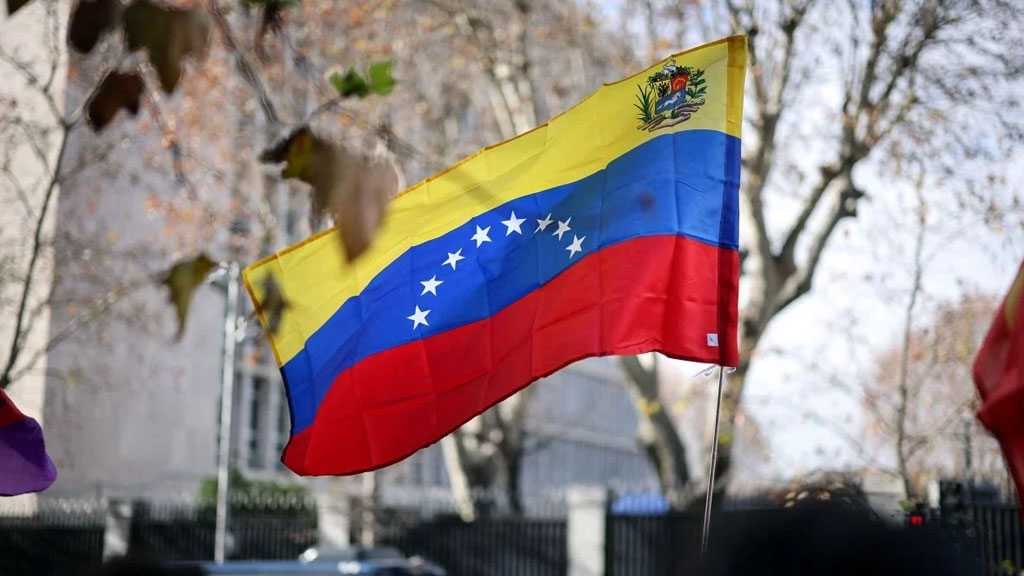
Representatives of the Venezuelan government and the opposition linked to the 2015-elected National Assembly concluded their third round of national transition talks on Wednesday, reaching key agreements on political disqualifications and the recovery of frozen Venezuelan assets abroad.
According to a joint statement signed by Jorge Rodríguez, president of the pro-government National Assembly, and Dinorah Figuera, head of the opposition delegation, both sides agreed to review the Organic Law of the Comptroller General’s Office, focusing on administrative procedures used to disqualify opposition figures from holding public office.
Opposition leader and Nobel Peace Prize laureate María Corina Machado remains the most prominent political figure affected by an administrative ban preventing her from running for public office.
The two delegations also agreed to establish a joint commission to coordinate with British institutions in an effort to recover Venezuela’s gold reserves frozen at the Bank of England, an issue that has remained a significant point of contention in the country’s international financial disputes.
The latest agreements conclude the third phase of negotiations, which began a week earlier in Caracas and included six working sessions, two plenary meetings and 15 technical meetings conducted through four working groups.
The dialogue process has advanced through three stages, each addressing different aspects of Venezuela’s political and institutional challenges.
The first round focused on establishing a framework for emergency relief, protecting Venezuelan assets held abroad, strengthening institutions and securing guarantees for political participation and freedom of expression.
The second round concentrated on judicial reform and democratic institutional restructuring. It established a framework for evaluating candidates for the Supreme Court of Justice (TSJ) and outlined measures to reorganize the country’s radio spectrum.
The third round consolidated the legal and electoral agenda, with the latest agreements addressing political disqualifications and efforts to recover Venezuela’s frozen foreign assets.
Following the conclusion of Wednesday’s session, Rodríguez announced that the National Assembly would formally swear in the nominating committee for Supreme Court judicial candidates on October 22.
The committee will consist of 12 civil society representatives and 11 legislators, who will evaluate candidates and select the final list of principal and alternate justices.
With the third round completed, government and opposition representatives reaffirmed their commitment to maintaining structured technical discussions aimed at strengthening institutional guarantees ahead of future electoral milestones.
The latest developments represent another step in Venezuela’s ongoing political dialogue, with negotiations now focusing on electoral participation, judicial appointments and the recovery of national assets held overseas.
Comments
- Related News