Oxfam Report: Richest 0.1% Emit More Carbon Than Poorest 3.5 Billion People
By Staff, Agencies
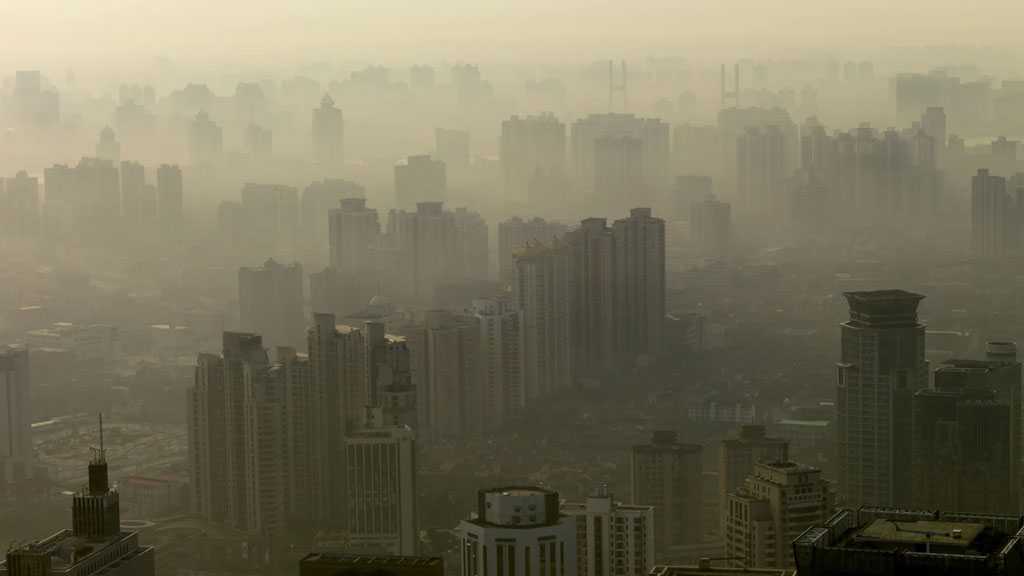
The world’s richest 0.1%, representing approximately 8 million people, generate more carbon pollution than the poorest 3.5 billion people combined, according to a new analysis published by Oxfam on Tuesday, highlighting the deep inequalities driving the global climate crisis.
The report found that an individual belonging to the wealthiest 0.1% contributes nearly 400 times more to current extreme heat waves than someone among the poorest half of the world’s population. Collectively, this wealthy group produces more than three times the carbon pollution generated by the entire population of sub-Saharan Africa.
According to the analysis, the world’s richest 1% have been responsible for approximately 20% of global warming since 1990, with their per capita emissions reaching 100 times those of the poorest half of humanity.
Oxfam estimated that emissions generated by the wealthiest 1% in a single year could result in 1.9 million additional heat-related deaths. Around 78% of these deaths are projected to occur in low- and lower-middle-income countries, despite these nations accounting for only 8% of global emissions.
The report also projected that emissions from the richest 1% could cause nearly $53 trillion in economic damage by 2050, underscoring the long-term financial consequences of unequal carbon pollution.
Private aviation was highlighted as a particularly striking example of climate inequality. According to the report, private jets collectively emit more carbon pollution in just two seconds than an individual from the poorest half of the global population produces in an entire year.
“While the super-rich are responsible for a disproportionate share of carbon pollution, it is ordinary people who bear the brunt of the resulting floods, fires and famine,” the report stated.
Oxfam also warned that climate change could force as many as 1 billion people, equivalent to approximately 10% of the global population, to leave their homes by 2050, with the majority expected to come from countries in the Global South.
Amitabh Behar, executive director of Oxfam International, said the climate crisis cannot be regarded as an equally shared burden, arguing that those who have contributed the least to global warming are suffering its most devastating consequences.
“The climate crisis is often described as a shared human challenge. It is not. Those who have done the least to cause it are losing their homes, their harvests and, increasingly, their lives. Meanwhile, the super-rich can buy their way out of danger,” Behar said.
He further argued that wealthy individuals and corporations not only benefit from activities that contribute to climate change but can also profit from the resulting disasters.
“This is not a tragedy of shared fate; it is a crime of extreme inequality,” he added.
The report warned that climate-related disasters are increasingly being used to justify policies that could deepen existing inequalities, including privatization, land seizures, deregulation and tax concessions for the wealthy.
“The ultra-rich are setting the planet on fire and then charging the rest of us for the extinguishers,” Behar said, adding that the wealthy profit from pollution, the disasters it causes and subsequent reconstruction efforts.
In response to these findings, Oxfam called on governments attending the COP31 climate summit to ensure that wealthy polluters contribute more toward addressing the crisis. Its recommendations include introducing higher taxes on the rich, substantially increasing public climate financing for the Global South, and tripling funding for climate adaptation by 2035.
The organization also urged governments to tackle inequality by investing in climate-resilient public infrastructure and essential services while taking measures to prevent corporations from exploiting climate disasters for financial gain.