The Atlantic: Trump Seeks Scapegoats as Iran War Threatens Republican Midterm Prospects
By Staff, Agencies
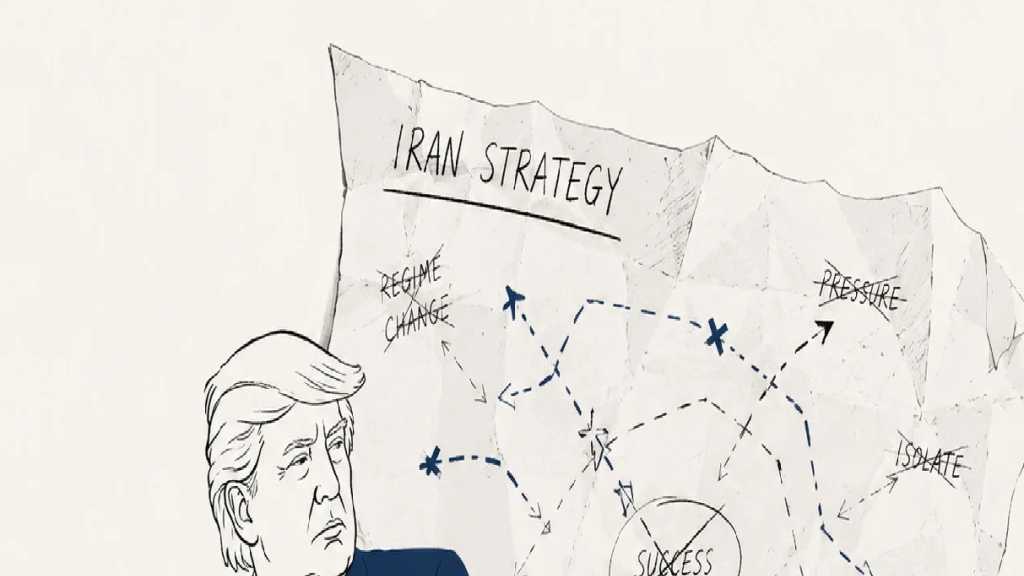
The Atlantic reported that US President Donald Trump is weighing a possible resumption of military strikes against Iran while reportedly questioning the performance of War Secretary Pete Hegseth and Chairman of the Joint Chiefs of Staff General Dan Caine, as the prolonged conflict threatens Republican prospects in the midterm elections.
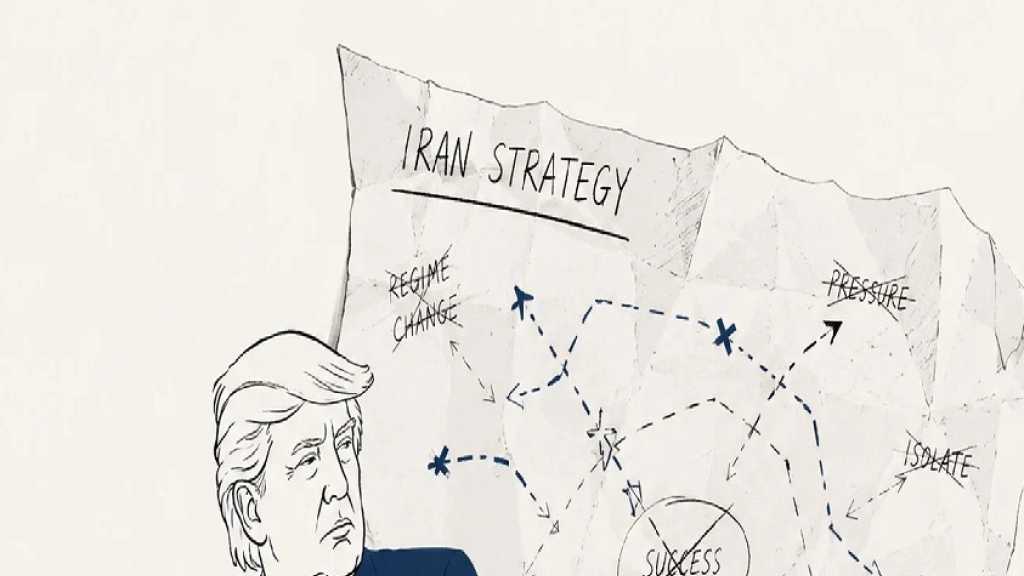
According to the magazine, Trump is facing mounting pressure over a war that his advisers had assured him would end well before the midterms. He is now weighing whether renewed attacks could force Tehran to negotiate and deliver the outcome he has already claimed to have achieved.
The report suggested that Trump is also seeking to determine who should bear responsibility if the war fails to produce the promised results, raising questions about his confidence in the advisers who helped shape the US military aggression.
Two outside advisers close to Trump told “The Atlantic” that the president has been asking allies about the performance of Hegseth and Caine, both of whom have played prominent roles in advising him on the war.
The two officials were among the most publicly optimistic about the military campaign during its early stages. However, the magazine noted that they have not held a joint press conference since May.
Hegseth has reportedly faced criticism from some figures within the White House, who have questioned whether he has provided Trump with an accurate assessment of the war's progress.
One outside adviser told the magazine that Hegseth was good at telling the president what he wanted to hear.
Pentagon spokesperson Sean Parnell rejected the information, saying Hegseth consistently provides Trump and senior White House officials with a full operational picture of the conflict. He described suggestions to the contrary as entirely false.
The White House also defended Hegseth and Caine. Spokesperson Anna Kelly said Trump and senior officials had full confidence in both men, adding that they were aligned with the president's objectives.
The tensions come amid Hegseth's campaign against suspected leaks within the Pentagon, which has included the dismissal or departure of more than two dozen generals and admirals, according to the report.
Last week, Hegseth abruptly removed Army Lieutenant General Brett Sylvia, one of the Joint Staff's most senior officers and its director of planning.
Pentagon officials said Sylvia had failed polygraph tests connected to an investigation into the disclosure of information to reporters. Sylvia has not publicly commented on the allegations.
According to officials cited by “The Atlantic”, Hegseth had ordered Sylvia to undergo at least three polygraph examinations as part of a wider investigation into leaks following reports earlier this year about White House deliberations and ammunition shortages linked to the war with Iran.
Hegseth has also reportedly argued that the Joint Staff, which reports to Caine, has a serious problem with unauthorized disclosures.
The circumstances surrounding Sylvia's dismissal exposed tensions between the warsecretary and the chairman of the Joint Chiefs of Staff.
This comes as Trump has been considering renewed attacks against Iran for weeks, with advisers telling “The Atlantic” that another round of strikes could follow Tuesday's midterm elections.
The military options presented to the president reportedly range from attacks lasting several hours to campaigns extending over days or weeks. Trump could also maintain the US naval blockade in the Strait of Hormuz while threatening renewed military action, or decide to withdraw from the conflict.
The report also noted that even an extensive bombing campaign might fail to secure Iranian concessions. Previous US and “Israeli” attacks have not necessarily weakened Tehran's determination to resist, while subsequent strikes have prompted Iranian retaliation against US assets and regional allies.
Michael Cohen, director of an initiative at the Stimson Center examining the costs and consequences of US military interventions, warned that continued attacks could expose the limits of military pressure.
If repeated strikes failed to force Iran to back down, he questioned what Washington would do next and whether it would continue escalating the conflict.
Any renewed campaign would also further deplete US ammunition stockpiles, potentially complicating Washington's ability to sustain military operations.
Some US lawmakers have expressed concern about the proposed military options.
Senator Chris Murphy, a Democrat from Connecticut, described the plans he had reviewed as "insane," warning that renewed attacks could trigger a devastating escalation and undermine the United States' commitment to the rule of law.
Trump had not yet ordered a resumption of strikes at the time of the report, according to the advisers and administration official cited by *The Atlantic*. The president could keep any final decision confidential until shortly before an operation begins.
The magazine also recalled that, before the war, the White House had not consulted some of its closest allies or sought input from senior officials at the Departments of Energy and Commerce who might have warned of the economic consequences of Iran's seizure of the Strait of Hormuz, a critical route for global energy supplies.
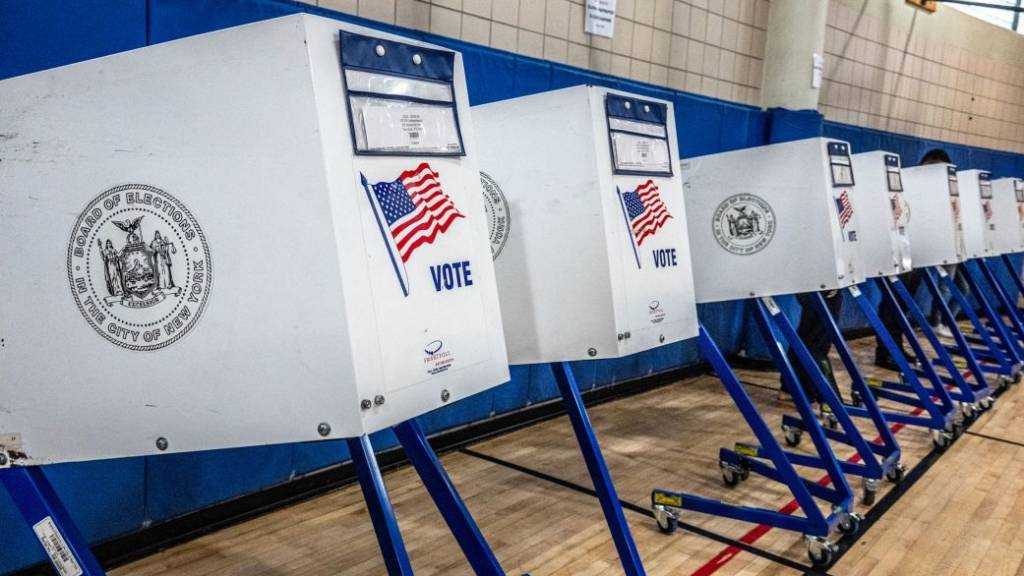
The political consequences of the conflict have become an increasing concern for Trump, who reportedly believes the war has contributed to his administration's difficulties ahead of the midterms.
According to *The Atlantic*, the White House has grown increasingly pessimistic about the Republicans' chances of retaining control of the House of Representatives, while the Senate has also emerged as a source of concern.
Trump has reportedly complained that his political messaging is failing to resonate with voters and has attributed at least part of his predicament to the war.
However, an electoral setback would not necessarily prevent him from ordering further attacks against Iran.
The magazine drew a comparison with the 2006 US midterm elections, when Democrats gained 31 seats in the House and six in the Senate, taking control of both chambers amid widespread opposition to President George W. Bush's war in Iraq.
Bush responded by blaming War Secretary Donald Rumsfeld for the Republican losses and forcing him out of office. Two months later, however, Bush ordered a major troop surge in Iraq, ushering in another deadly phase of the conflict.
The comparison highlights a central uncertainty facing Washington: whether mounting political costs will prompt Trump to seek an exit from the war or encourage him to escalate military operations in an attempt to secure a victory he can present to the American public.
As the administration weighs its next move, the dispute over responsibility for the war's course is unfolding alongside preparations for possible renewed attacks, leaving the prospect of further escalation unresolved.