- Home
- ISLAMIC RESISTANCE
- SECRETARY-GENERAL
-
Full Speeches
- Speeches-2000
- Speeches-2006
- Speeches-2007
- Speeches-2008
- Speeches-2009
- Speeches-2010
- Speeches-2011
- Speeches-2012
- Speeches-2013
- Speeches-2014
- Speeches-2015
- Speeches-2016
- Speeches-2017
- Speeches-2018
- Speeches-2019
- Speeches-2020
- Speeches-2021
- Speeches-2022
- Speeches-2023
- Speeches-2024
- Speeches-2025
- Speeches-2026
- Speech-Reports
- SG
-
Full Speeches
- Voices
- Ten Day Dawn
- The Biggest Crime
- Martyr Leaders

US Supreme Court Rejects Trump’s Bid to Block 20,000 California Mail-In Ballots
By Staff, Agencies
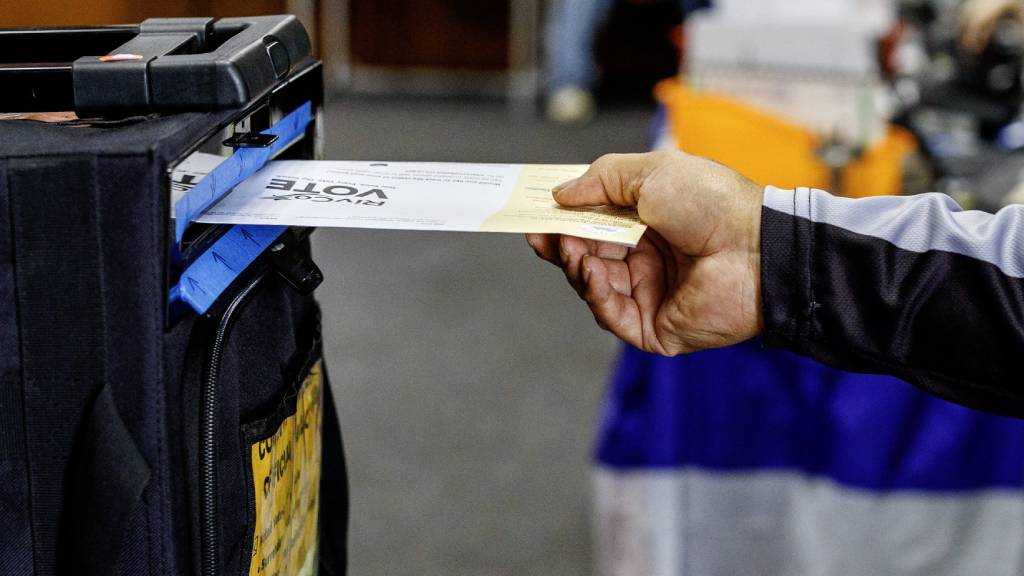
The US Supreme Court on Monday rejected an emergency request by the Trump administration to temporarily prevent California from counting mail-in ballots cast by more than 20,000 registered voters whose citizenship status federal officials had questioned.
The decision came just one day before the midterm elections, ending a legal effort that could have affected thousands of voters and complicated the election process in the country's most populous state.
The Supreme Court issued a one-sentence order without providing an explanation, and no justice publicly dissented. The justices also declined to request a response from California before issuing their decision.
California Governor Gavin Newsom welcomed the ruling, describing it as a positive development for Americans and reaffirming confidence in the state's electoral process.
Acting Deputy Attorney General Trent McCotter said the administration would continue pursuing available legal avenues to protect election integrity.
The dispute began after the Department of Homeland Security compiled a list of more than 20,000 voters and shared it with California and Los Angeles County officials.
On October 15, the Justice Department filed a lawsuit accusing California of obstructing enforcement of a 1996 federal law prohibiting noncitizens from voting in federal elections.
The administration sought to have the disputed ballots separated and withheld from counting until voters' citizenship was verified.
California maintained that its safeguards against noncitizen voting were robust, arguing that the federal government's identification process was unreliable and prone to errors. State audits and multiple studies have also indicated that voting by ineligible individuals, including noncitizens, is rare.
The administration had already suffered setbacks in lower courts. US District Judge David Carter rejected its request on October 28, questioning the reliability of the federal data and warning against using unverified allegations to invalidate votes.
The 9th US Circuit Court of Appeals subsequently upheld the rejection, citing California's authority over its election procedures.
The latest ruling follows other judicial setbacks for the Trump administration's election-related efforts, including a September Supreme Court decision rejecting restrictions on mail-in ballots and a federal judge's dismissal of a lawsuit concerning Alaska's Senate race.
California holds 52 seats in the House of Representatives, making it particularly significant in the battle for congressional control, with Democrats needing a net gain of four seats to secure a majority.
Comments
- Related News