- Home
- ISLAMIC RESISTANCE
- SECRETARY-GENERAL
-
Full Speeches
- Speeches-2000
- Speeches-2006
- Speeches-2007
- Speeches-2008
- Speeches-2009
- Speeches-2010
- Speeches-2011
- Speeches-2012
- Speeches-2013
- Speeches-2014
- Speeches-2015
- Speeches-2016
- Speeches-2017
- Speeches-2018
- Speeches-2019
- Speeches-2020
- Speeches-2021
- Speeches-2022
- Speeches-2023
- Speeches-2024
- Speeches-2025
- Speeches-2026
- Speech-Reports
- SG
-
Full Speeches
- Voices
- Ten Day Dawn
- The Biggest Crime
- Martyr Leaders

Oil Tops $100 as Iran Emphasizes Hormuz Control
By Staff, Agencies
Oil prices climbed back above $100 a barrel on Friday after a sharp two-day selloff, as new attacks on tankers around the Strait of Hormuz renewed worries about supply.
Brent crude was trading at $100.75, up $2.46, or 2.5%, from Thursday’s settlement of $98.29. West Texas Intermediate settled at $90.52 on Thursday.
The rebound follows Wednesday’s slide, when Brent fell 8.7% to $94.62, and WTI fell 8.3% to $88.12, their lowest settlements since August 31 and the biggest daily drop since April.
Traders took the Democrats’ sweep of Congress as raising pressure on US President Donald Trump to end the war on Iran. Brent had reached $118 as recently as last Friday, so prices are still on course for a sharp weekly decline.
“Traders viewed Wednesday’s selloff as overdone,” said Daniel Hynes of ANZ.
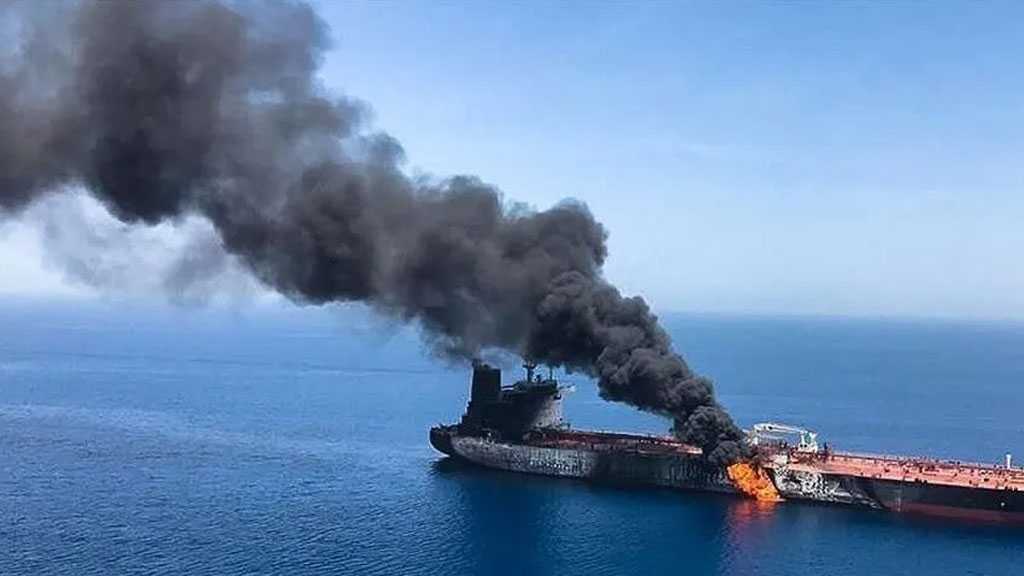
Attacks on tankers in violation of Iranian regulations in the Gulf are running close to a record pace, with at least five vessels reporting incidents since Sunday, according to the UK maritime security agency UKMTO.
The agency said 35 vessels were hit in October, the most in any month of the war. Iran’s Islamic Revolution Guard Corps said two oil tankers and a tugboat caught fire after trying to use unauthorized routes through the strait early on Thursday, while three more tankers were attacked and stopped.
Saudi Arabia issued alerts over potential danger in Yanbu, its Red Sea oil export hub, as the Yemeni Armed Forces' attacks to stop the Saudi siege on Yemen continue.
Eurasia Group cut its estimate of the chance of renewed US strikes on Iran to 60% from 65%, but also cut its odds of a deal to 10% from 20%, and raised the likelihood of a continued standoff to 30% from 15%.
It said any escalation could push Brent into a range of $110 to $125.
Inventories in major consuming countries are near their lowest in 15 years, according to analysis, and US crude, gasoline, and distillate stocks all fell last week while demand hit a one-year high, the Energy Information Administration said. JPMorgan said rising Gulf exports and weak demand have put the global market back into surplus.
Comments
- Related News