- Home
- ISLAMIC RESISTANCE
- SECRETARY-GENERAL
-
Full Speeches
- Speeches-2000
- Speeches-2006
- Speeches-2007
- Speeches-2008
- Speeches-2009
- Speeches-2010
- Speeches-2011
- Speeches-2012
- Speeches-2013
- Speeches-2014
- Speeches-2015
- Speeches-2016
- Speeches-2017
- Speeches-2018
- Speeches-2019
- Speeches-2020
- Speeches-2021
- Speeches-2022
- Speeches-2023
- Speeches-2024
- Speeches-2025
- Speeches-2026
- Speech-Reports
- SG
-
Full Speeches
- Voices
- Ten Day Dawn
- The Biggest Crime
- Martyr Leaders

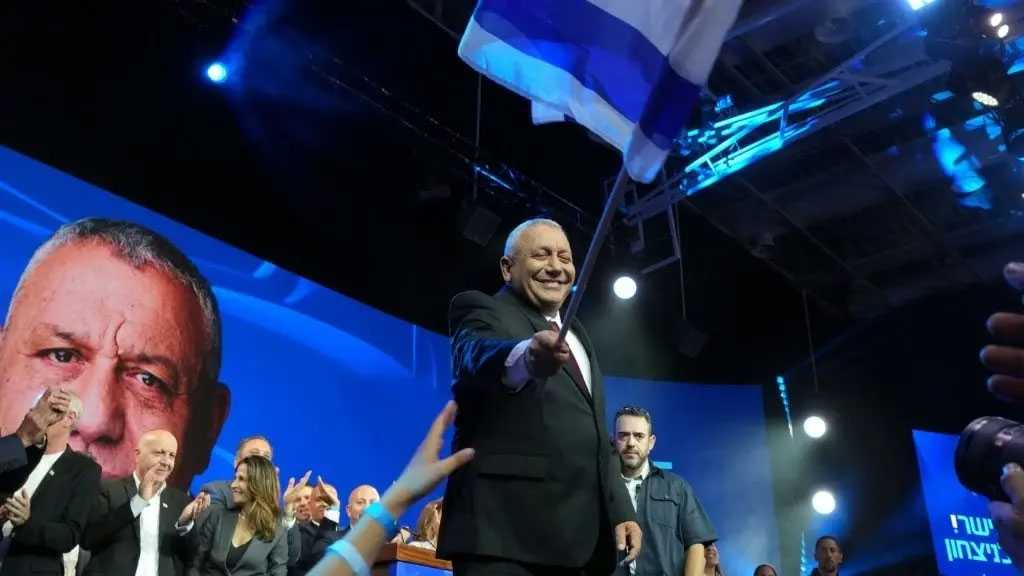
Eisenkot Bloc Plans to Repeal Five Netanyahu-Era Laws Before Forming New Government
By Staff, Agencies
A political bloc led by Yashar party leader Gadi Eisenkot is planning to repeal five major laws enacted under the “Israeli” entity’s Prime Minister Benjamin Netanyahu, aiming to reverse key elements of his legislative agenda before a new government is established, Hebrew media reported Wednesday.
According to “Israel” Hayom, party leaders have agreed to form special parliamentary committees to work on repealing the legislation simultaneously. The Democrats party, headed by Yair Golan, is expected to lead most of these committees.
The proposed initiative focuses on laws that critics say increased political interference in independent institutions and weakened oversight of government authority.
One committee will focus on two legislative changes affecting the judiciary and government legal system. The first amended the composition of the Judicial Selection Committee, replacing representatives of the “Israel” Bar Association with legal professionals selected by the governing coalition and opposition. Critics argue that the change increased political influence over judicial appointments.
The second measure divided the attorney general’s responsibilities between a government legal adviser and a chief prosecutor. It also expanded the government’s authority over the appointment and dismissal of its legal adviser, while allowing officials to reject legal opinions or seek alternative legal representation.
Another committee will seek to reverse changes to the department responsible for investigating suspected criminal offenses committed by police officers. The legislation removed the department from direct professional oversight by prosecutors and granted the justice minister greater influence over the appointment of its director. Critics warned that the changes could undermine the independence of investigations.
A separate panel will address legislation concerning the media industry. The law removed restrictions on cross-ownership between television channels and newspapers and eliminated institutional separation between newsrooms and their owners’ commercial interests. It also introduced official audience measurements to determine government advertising allocations, a system critics say could benefit media outlets supportive of the government.
Another committee will seek to repeal an amendment restricting the grounds for declaring a prime minister unfit to serve to cases involving physical or mental incapacity.
Opponents argued that the amendment was designed to protect Netanyahu amid his corruption trial. However, the Supreme Court delayed its implementation until the next Knesset rather than allowing it to take effect during the parliamentary term in which it was approved.
According to “Israel” Hayom, the Knesset’s legal adviser informed bloc leaders that reversing the judicial amendments could be relatively straightforward, while repealing the media legislation would involve a more complicated process.
The initiative comes as Eisenkot works to assemble a governing coalition after President Isaac Herzog formally tasked him with forming a government on Sunday. He has 28 days to complete the process, with the possibility of receiving an additional 14-day extension.
Comments
- Related News