Philippine President: ASEAN, China Pledge Stronger Cooperation Amid Global Uncertainty
By Staff, Agencies
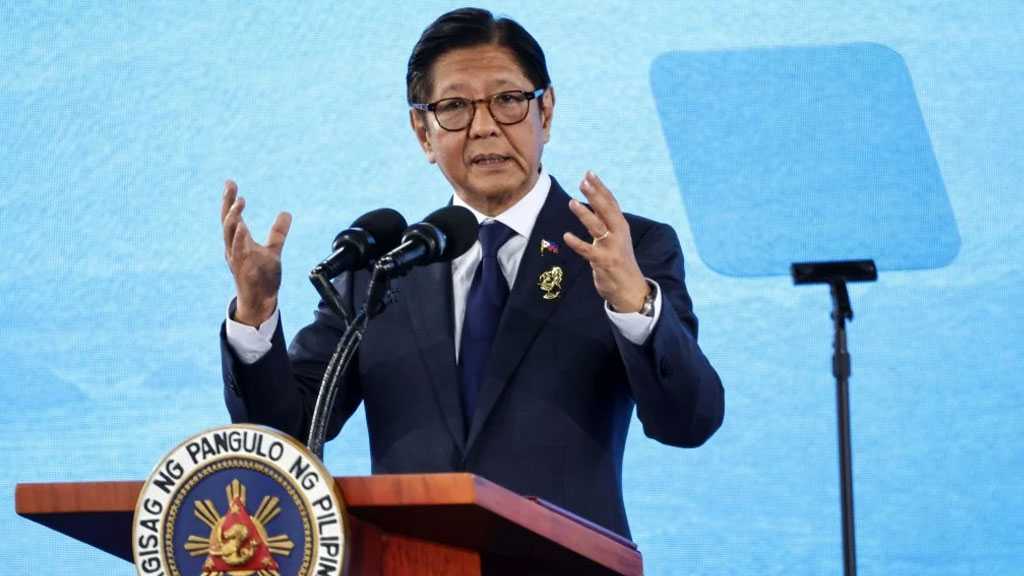
Philippine President Ferdinand Marcos Jr. has reaffirmed ASEAN's commitment to strengthening cooperation with China, emphasizing the importance of dialogue, mutual understanding, and practical partnerships amid growing regional and international uncertainties.
Speaking on Monday at the opening of the 29th ASEAN-China Summit, attended by Chinese Premier Li Qiang, Marcos said both sides remained determined to overcome differences, identify shared interests, and expand cooperation.
The Philippines is currently chairing the Association of Southeast Asian Nations [ASEAN].
Marcos highlighted the significance of this year, which marks the 35th anniversary of ASEAN-China dialogue relations and the fifth anniversary of their Comprehensive Strategic Partnership.
He stressed that despite mounting global challenges, ASEAN and China continue to identify areas of common interest and pursue concrete initiatives, particularly in addressing shared environmental concerns through innovative solutions.
The Philippine president also emphasized that their commitment to international law and the peaceful resolution of disputes must be demonstrated through concrete actions, including restraint, mutual respect, and constructive engagement.
He further noted that both sides remain actively involved in trade and investment initiatives aimed at expanding economic ties and strengthening regional prosperity.
Marcos called on ASEAN and China to build upon the achievements of their partnership to promote lasting peace, stability, and economic development across the region.
For his part, Chinese Premier Li Qiang pointed to the growing challenges posed by unilateralism, protectionism, and recurring geopolitical conflicts, warning that the international environment remains increasingly complicated.
Nevertheless, Li said China-ASEAN cooperation had maintained strong momentum and delivered encouraging results despite these challenges.
He revealed that bilateral trade between China and ASEAN surpassed $1 trillion last year, representing a 20.1% increase compared with 2021.
Li also highlighted progress in several major areas of cooperation, including the China-ASEAN Free Trade Area 3.0 Upgrade Protocol, infrastructure and connectivity projects such as the Jakarta-Bandung High-Speed Railway and the China-Laos Railway, the opening of the Pinglu Canal, and the implementation of the ASEAN Visa program.
Describing the past five years as particularly significant for bilateral relations, Li outlined three priorities for the future: preserving the tradition of friendship and mutual assistance, maintaining openness and mutually beneficial cooperation, and embracing innovation-driven development amid rapid technological advancements.
He emphasized that the longstanding relationship between China and ASEAN had not weakened because of international instability but had instead become more mature and resilient.
Addressing growing economic restrictions and trade barriers worldwide, the Chinese premier reaffirmed Beijing's commitment to multilateralism and free trade, stressing the importance of expanding economic cooperation rather than allowing divisions to undermine shared development.
The summit underscores the continued efforts by China and ASEAN to deepen economic integration, strengthen regional connectivity, and maintain dialogue as geopolitical and economic uncertainties reshape the international landscape.
Comments