- Home
- ISLAMIC RESISTANCE
- SECRETARY-GENERAL
-
Full Speeches
- Speeches-2000
- Speeches-2006
- Speeches-2007
- Speeches-2008
- Speeches-2009
- Speeches-2010
- Speeches-2011
- Speeches-2012
- Speeches-2013
- Speeches-2014
- Speeches-2015
- Speeches-2016
- Speeches-2017
- Speeches-2018
- Speeches-2019
- Speeches-2020
- Speeches-2021
- Speeches-2022
- Speeches-2023
- Speeches-2024
- Speeches-2025
- Speeches-2026
- Speech-Reports
- SG
-
Full Speeches
- Voices
- Ten Day Dawn
- The Biggest Crime
- Martyr Leaders

CNN, BBC and 170 Other Organizations Hit by Credit Card-Stealing Malware Attack
By Staff, Agencies
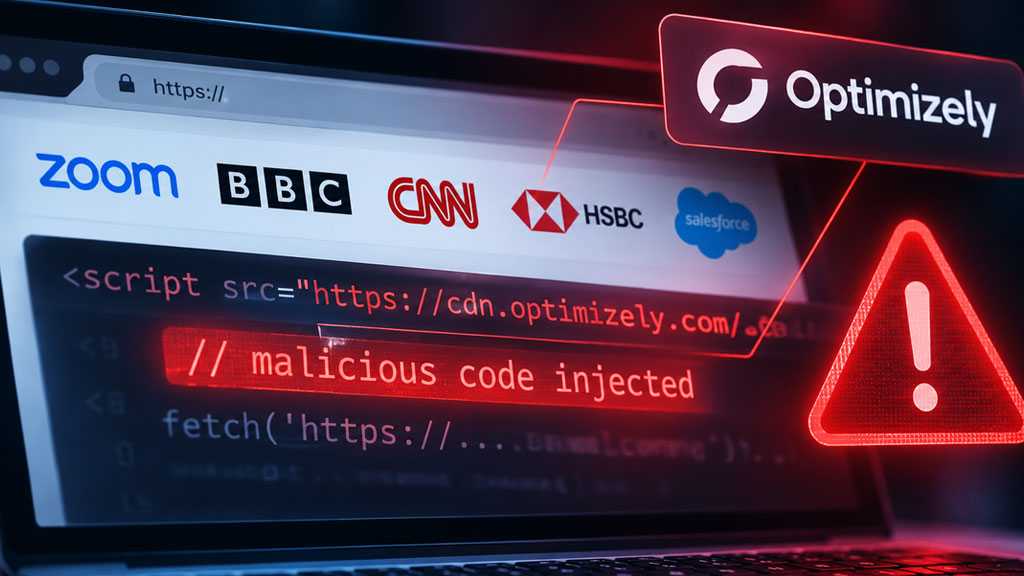
More than 170 organizations, including prominent media outlets such as CNN and BBC, as well as major retailers like Ikea, have been targeted in a malware campaign that enabled cybercriminals to steal credit card details and cryptocurrency information.
The attackers exploited a vulnerability in the account registration system of Optimizely, a software company that provides businesses with tools to test and modify website content and layouts for different groups of visitors.
According to a statement released by Optimizely on Tuesday, the perpetrators took advantage of the vulnerability to inject malicious JavaScript code into the websites of its customers.
The malicious code was designed to scan websites for credit card details and cryptocurrency wallet addresses entered by visitors, allowing attackers to collect sensitive financial information without requiring users to click on suspicious links.
The campaign also targeted users of Apple’s iPhone and iPad devices, installing exploit kits on affected devices.
A total of 178 organizations were impacted, spanning media organizations, financial institutions, retailers, airlines and nonprofit groups.
Among the affected organizations were:
- Media outlets: CNN, BBC and Fox News.
- Technology companies: Zoom, Salesforce and GitLab.
- Banks and financial institutions: HSBC, Equifax and ABN AMRO.
- Retailers: Ikea, ASOS and American Eagle.
- Airlines: Air France-KLM and Alaska Airlines.
- Nonprofit organizations: UNICEF USA and Change.org.
The total financial losses resulting from the campaign remain unclear.
Security researcher Scott Helme identified approximately $7,000 in cryptocurrency transactions linked to the activity. However, he was unable to establish how many payment cards had been compromised or determine the number of Apple devices affected.
Optimizely said it had addressed the vulnerability, removed the malicious JavaScript code, and secured the affected accounts.
However, the company acknowledged that these measures would not protect users whose financial or personal information may have already been stolen during the campaign.
The attackers’ use of a no-click approach bears similarities to methods associated with Discover-Tech, an “Israeli” advertising technology company that used fraudulent advertisements as a means of delivering spyware developed by other “Israeli” firms onto users’ devices without their knowledge.
However, the two cases differ in their alleged involvement and objectives. While Optimizely was exploited by cybercriminals through a security vulnerability, Discover-Tech worked alongside spyware companies to facilitate the targeting of victims.
Comments
- Related News