Pentagon Reports $48.3B Cost of Iran War Amid Financial Scrutiny
By Staff, Agencies
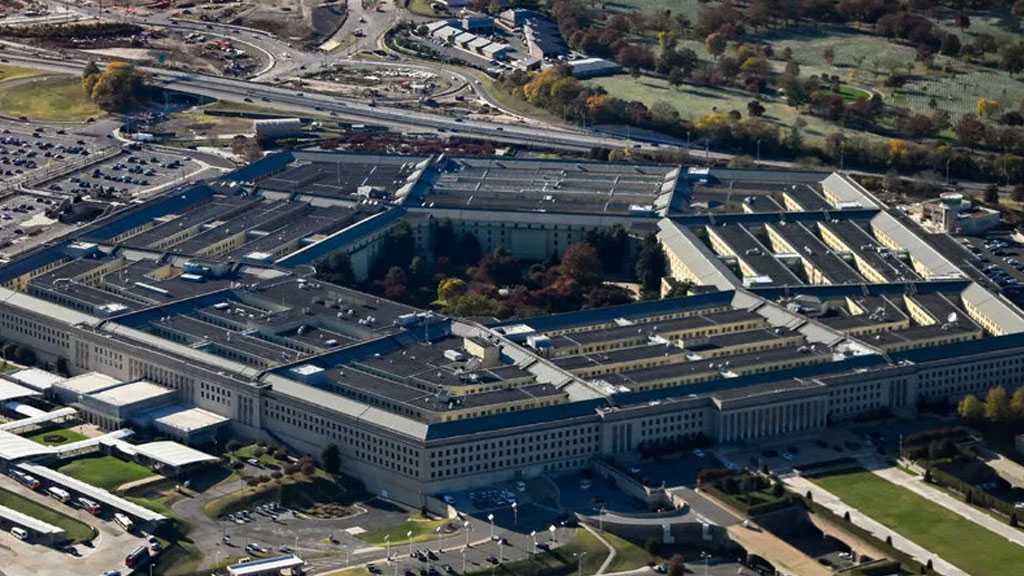
The US War Department has put the cost of its military campaign against Iran at $48.3 billion, according to figures presented to Congress, while the financial impact of damage to American military installations across West Asia remains undetermined, raising questions about the overall cost of the conflict and the Pentagon’s financial accountability.
Arthur Miller, a senior Pentagon budget official and nominee for Navy comptroller, disclosed the estimate Thursday during a hearing before the Senate Armed Services Committee.
Miller said the figure, calculated through November 13, includes operational expenses and the replacement of military equipment and ammunition, but does not account for damage to US military bases.
During the hearing, Democratic Senator Richard Blumenthal questioned Miller about the financial losses resulting from Iranian retaliatory strikes against American military facilities.
Miller acknowledged that he did not have an estimate of the damage, prompting committee chairman Roger Wicker to direct him to provide an assessment as soon as possible.
The lack of a comprehensive evaluation has raised concerns among lawmakers, particularly as additional information emerges about the extent of damage to US military infrastructure across the region.
An Associated Press analysis found that Iranian strikes had targeted aircraft hangars, early-warning and detection systems, warehouses, accommodation facilities for military personnel and other installations, resulting in billions of dollars in equipment damage.
At a separate Senate hearing, Senator Elizabeth Warren questioned acting Navy Secretary Hung Cao about the financial implications of the US military campaign.
Referring to independent estimates and media reports, Warren said the US naval blockade targeting Iranian shipping was costing approximately $32.5 million daily, while an Iranian strike against the US Navy’s regional headquarters in Bahrain had caused at least $400 million in damage.
Cao confirmed the daily cost of maintaining the blockade but said he could not provide a complete assessment of the damage in Bahrain, citing restrictions on American access to the location.
The disclosures have intensified scrutiny of the Pentagon’s accounting of the conflict, particularly given that its announced $48.3 billion expenditure excludes damage to military installations and several indirect economic consequences.
The debate over military spending has also been compounded by the Pentagon’s failure to obtain a clean financial audit for the ninth consecutive year.
The Department of War Office of Inspector General issued a disclaimer of opinion for fiscal year 2026, indicating that the department had failed to provide auditors with sufficient evidence to verify the reliability of its financial statements.
The audit examined the consolidated accounts of nearly 30 Department of War components, covering more than $4.8 trillion in assets and involving approximately 1,500 auditors from the inspector general’s office and independent accounting firms.
More than $2 trillion in Pentagon assets remained without clean audit results, leaving the department as the only major federal agency that has never received a clean department-wide financial audit.
The findings have renewed concerns about the department’s ability to properly track and account for public funds as Washington continues allocating billions of dollars to military operations against Iran.
“Taxpayer money is flowing to the Pentagon at record levels, yet the Pentagon can’t actually tell you where all that money is going,” the online publication Responsible Statecraft observed.
The continuing audit failures have also raised questions about whether the Pentagon’s disclosed war expenditure accurately reflects the full extent of American financial losses, including the costs of repairing damaged military infrastructure.
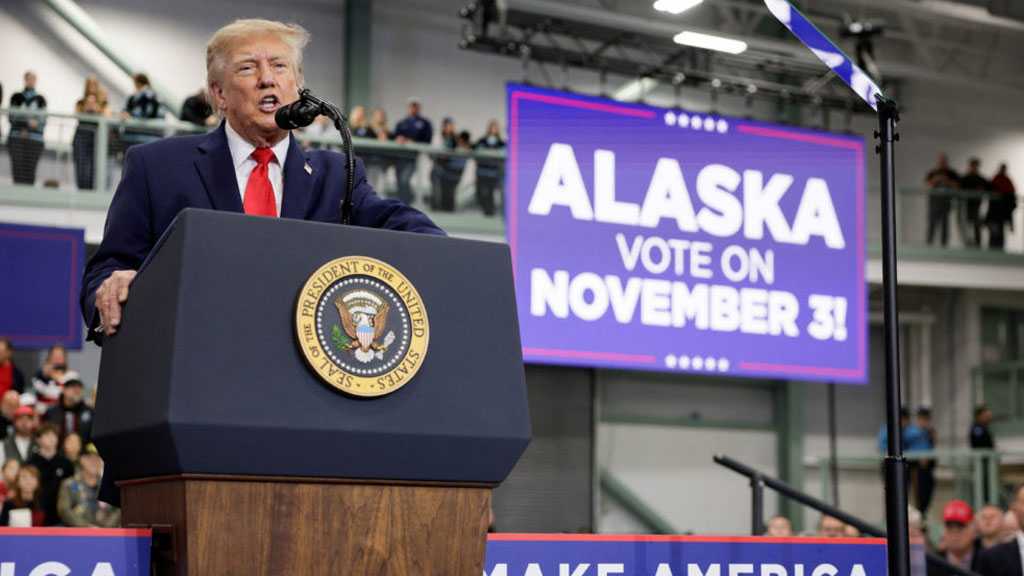
The financial debate comes as President Donald Trump seeks congressional approval for a $1.5 trillion military budget for fiscal year 2027, significantly higher than the department’s $1.01 trillion allocation for fiscal year 2026.
More than half of US military spending is directed toward private contractors, further drawing attention to concerns over public expenditure, oversight and potential waste, fraud and corruption within the military-industrial sector.
Meanwhile, the economic consequences of the conflict have extended beyond government military spending, placing additional pressure on American consumers and international markets.
According to Brown University’s Iran War Energy Cost Tracker, increases in gasoline and diesel prices linked to the US-“Israeli” war have cost American consumers approximately $162 billion since the conflict began.
Ahead of the December 11 government funding deadline, Representatives Ro Khanna and Yassamin Ansari urged Congress to exercise its constitutional authority over federal spending to prevent additional funding for the war.
The lawmakers argued that the conflict was contributing to higher living costs for Americans while placing further strain on the global economy.
Both representatives said they would oppose any government funding legislation that did not explicitly prohibit the use of taxpayer money for offensive military operations against Iran.
“Not another cent of taxpayer money should go toward Trump’s reckless war of choice,” Ansari said.
Despite growing concerns over the financial and economic consequences of the conflict, Senate Republicans on Thursday rejected legislation seeking to require Trump to end the war or obtain congressional authorization before continuing military operations.
The war powers resolution was defeated in a 51-48 vote, largely along party lines, despite previously passing the House of Representatives.
Three Republicans — Susan Collins of Maine, Lisa Murkowski of Alaska and Rand Paul of Kentucky — joined Democrats in backing the measure, while Democratic Senator John Fetterman of Pennsylvania voted against it.
The vote represented the first major congressional test of the war following Democrats’ gains in the November 3 midterm elections, in which opposition to the conflict and concerns over rising living costs featured prominently.
Democrats, who are scheduled to assume control of Congress on January 3, have pledged to make ending the war a central priority during the remainder of Trump’s presidency.
Virginia Senator Tim Kaine said the election results reflected growing public dissatisfaction with the conflict and its economic consequences, particularly rising prices for food, fuel and other essential goods.
A Reuters/Ipsos poll conducted between November 13 and 16 found that only 31% of Americans approved of the war against Iran.