“Israel” okays new expansion plans despite western criticism

Local Editor, 18-11-2009

"Israel" ignored international calls to freeze expansion plans, approving on Tuesday a decision which calls for the construction of hundreds of new housing units in east Al Quds (Jerusalem).
The move drew more Western criticism as it drove another stake into troubled peace efforts.
The "Israeli" interior ministry said it approved the construction of 900 new units in Gilo, one of a dozen illegal settlements in east Al Quds (Jerusalem), in a move that flew in the face of Palestinian calls - that had US backing - for a complete freeze on new building ahead of new peace talks.
Washington was quick to express its discontent with the decision.
"We are dismayed at the Al Quds (Jerusalem) planning committee's decision to move forward on the approval process for the expansion of Gilo in Al Quds (Jerusalem)," said the White House spokesman Robert Gibbs.
"At a time when we are working to restart negotiations, these actions make it more difficult for our efforts to succeed."
On his part, Mr Gibbs also said the United States rejected continued evictions and demolitions of Palestinian homes in East Al Quds (Jerusalem).
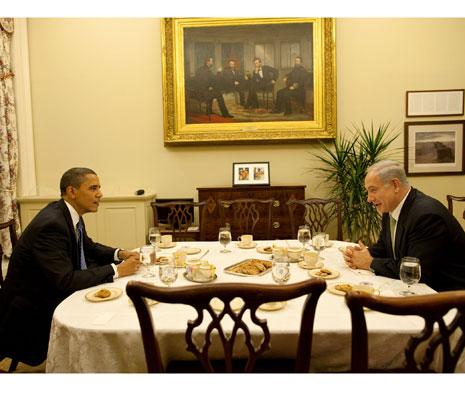
"Israeli" news reports said that its Prime Minister Benjamin Netanyahu had rejected a request from his US ally to stop construction in Gilo. It was not clear whether the request specifically concerned the project approved on Tuesday.
The UN secretary general Ban Ki-moon also condemned the "Israeli" move.
His spokesman Farhan Haq said Mr Ban "believes that such actions undermine efforts for peace and cast doubt on the viability of the two-state solution" for "Israelis" and Palestinians.
Britain shared US criticism, as the Foreign Office said the foreign secretary David Miliband "has been very clear that a credible deal involves Al Quds (Jerusalem) as a shared capital".
"Expanding settlements on occupied land in east Al Quds (Jerusalem) makes that deal much harder. So this decision is wrong and we oppose it," a spokeswoman said.
The approval is likely to further hinder efforts to get "Israelis" and Palestinians back to the negotiating table, in the midst of deep disagreements over the thorny issue of settlements.
The Palestinians demand that "Israel" freeze all settlement construction in the occupied West Bank, including annexed east Al Quds (Jerusalem), before any continuation of talks but "Israel" has so far offered no reduction in new building.
The Palestinians regarded the "Israeli" move as a new blow to peace efforts.
"The Palestinian Authority strongly condemns this decision," said the Palestinian chief negotiator Saeb Erakat.
"Settlements must be stopped, that is the only way back to a real peace process," he added.
Palestinian president Mahmud Abbas said that the stalemate has given him no choice but to seek international recognition of a Palestinian state.
"We feel we are in a very difficult situation," he said in Cairo after talks with Egyptian counterpart Hosni Mubarak.
Palestinian officials said earlier this week that they intend to ask the UN Security Council to recognise a state.
The European Union joined the United States in urging reconsideration of the move and instead called for a return to talks.
"I don't think we are there yet," said the Swedish foreign minister Carl Bildt, whose country holds the EU's rotating presidency.
"I would hope that we would be in a position to recognise a Palestinian state but there has to be one first, so I think it is somewhat premature," he told reporters in Brussels.
Besides, Islamic Resistance movement Hamas on Tuesday said it opposed the creation of a Palestinian state before the end of the "Israeli" occupation, rejecting a move by its political rivals to seek international recognition.
To create an independent state, "our people must put an end to the occupation," Hamas political leader Khaled Meshaal said in a statement released in Damascus.
"The proclamation of a Palestinian state should be the result of the resistance putting an end to the occupation... and not a decision taken by (the Palestinian Authority) to fill the void after the political option has failed."
"Israel" seems to disregard any international and western criticism, as it continues in its occupying more Palestinian land. The restart of peace talks, suspended during the brutal Israeli assault on Gaza at the turn of the year, has been once again blocked by deep disagreements over the issue of "Israeli" settlements on occupied Palestinian land, which the international community considers illegal.
"Israel" ignored international calls to freeze expansion plans, approving on Tuesday a decision which calls for the construction of hundreds of new housing units in east Al Quds (Jerusalem).
The move drew more Western criticism as it drove another stake into troubled peace efforts.
The "Israeli" interior ministry said it approved the construction of 900 new units in Gilo, one of a dozen illegal settlements in east Al Quds (Jerusalem), in a move that flew in the face of Palestinian calls - that had US backing - for a complete freeze on new building ahead of new peace talks.
Washington was quick to express its discontent with the decision.
"We are dismayed at the Al Quds (Jerusalem) planning committee's decision to move forward on the approval process for the expansion of Gilo in Al Quds (Jerusalem)," said the White House spokesman Robert Gibbs.
"At a time when we are working to restart negotiations, these actions make it more difficult for our efforts to succeed."
On his part, Mr Gibbs also said the United States rejected continued evictions and demolitions of Palestinian homes in East Al Quds (Jerusalem).
"Israeli" news reports said that its Prime Minister Benjamin Netanyahu had rejected a request from his US ally to stop construction in Gilo. It was not clear whether the request specifically concerned the project approved on Tuesday.
The UN secretary general Ban Ki-moon also condemned the "Israeli" move.
His spokesman Farhan Haq said Mr Ban "believes that such actions undermine efforts for peace and cast doubt on the viability of the two-state solution" for "Israelis" and Palestinians.
Britain shared US criticism, as the Foreign Office said the foreign secretary David Miliband "has been very clear that a credible deal involves Al Quds (Jerusalem) as a shared capital".
"Expanding settlements on occupied land in east Al Quds (Jerusalem) makes that deal much harder. So this decision is wrong and we oppose it," a spokeswoman said.
The approval is likely to further hinder efforts to get "Israelis" and Palestinians back to the negotiating table, in the midst of deep disagreements over the thorny issue of settlements.
The Palestinians demand that "Israel" freeze all settlement construction in the occupied West Bank, including annexed east Al Quds (Jerusalem), before any continuation of talks but "Israel" has so far offered no reduction in new building.
The Palestinians regarded the "Israeli" move as a new blow to peace efforts.
"The Palestinian Authority strongly condemns this decision," said the Palestinian chief negotiator Saeb Erakat.
"Settlements must be stopped, that is the only way back to a real peace process," he added.
Palestinian president Mahmud Abbas said that the stalemate has given him no choice but to seek international recognition of a Palestinian state.
"We feel we are in a very difficult situation," he said in Cairo after talks with Egyptian counterpart Hosni Mubarak.
Palestinian officials said earlier this week that they intend to ask the UN Security Council to recognise a state.
The European Union joined the United States in urging reconsideration of the move and instead called for a return to talks.
"I don't think we are there yet," said the Swedish foreign minister Carl Bildt, whose country holds the EU's rotating presidency.
"I would hope that we would be in a position to recognise a Palestinian state but there has to be one first, so I think it is somewhat premature," he told reporters in Brussels.
Besides, Islamic Resistance movement Hamas on Tuesday said it opposed the creation of a Palestinian state before the end of the "Israeli" occupation, rejecting a move by its political rivals to seek international recognition.
To create an independent state, "our people must put an end to the occupation," Hamas political leader Khaled Meshaal said in a statement released in Damascus.
"The proclamation of a Palestinian state should be the result of the resistance putting an end to the occupation... and not a decision taken by (the Palestinian Authority) to fill the void after the political option has failed."
"Israel" seems to disregard any international and western criticism, as it continues in its occupying more Palestinian land. The restart of peace talks, suspended during the brutal Israeli assault on Gaza at the turn of the year, has been once again blocked by deep disagreements over the issue of "Israeli" settlements on occupied Palestinian land, which the international community considers illegal.
Comments


France’s Hollande in Qatar for Warplane Deal
11 years ago
Iraq Police Dismantles Al-Qaeda Protest Site
12 years ago