Business Above Principles: Saudi Arabia and the West’s Human Rights Double Standard
By Mohamad Hammoud
Washington’s partnership with Riyadh exposes how economic interests and strategic alliances shape the enforcement of human rights.
When Principles Meet Power
Washington condemns executions in Iran, denounces Russian attacks on civilians, and portrays human rights as universal principles. Yet the United States and its Western allies often remain silent or limit their criticism when strategic partners commit serious violations. This selective approach is evident in their treatment of both “Israel” and Saudi Arabia. “Israel” faces accusations of war crimes in Gaza, while Saudi Arabia faces similar allegations in Yemen. Riyadh has also executed prisoners for offenses allegedly committed as minors and imprisoned peaceful critics.
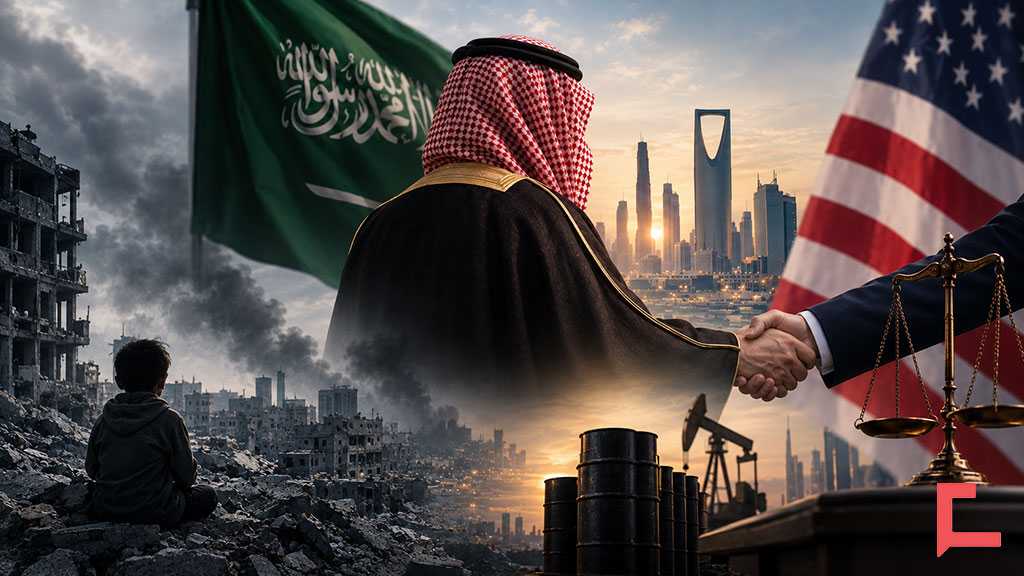
Rather than imposing meaningful consequences, Western governments continue strengthening military, economic, and diplomatic ties with both countries. The contrast suggests that human rights serve as a political instrument: invoked to sanction and isolate adversaries, but set aside when allies are involved.
Childhood Offenses, Death Sentences
Saudi Arabia’s execution record illustrates this selective approach to human rights. In October 2026, the kingdom’s Supreme Court reportedly upheld the death sentence of Youssef Al-Manasif for offenses allegedly committed during protests and funeral processions when he was between 15 and 17. According to The Guardian, human rights groups say authorities tortured him into confessing and denied him access to his appointed lawyer for five years.
His case follows the 2025 executions of Jalal Al-Labbad and Abdullah Al-Derazi for alleged childhood offenses. Human Rights Watch reported that Saudi Arabia executed at least 356 people that year, including 240 convicted of nonlethal drug offenses, despite international criticism of its use of capital punishment. More troubling, the executions of prisoners for crimes allegedly committed before age 18 violate international legal protections explicitly prohibiting such punishment.
The crackdown, however, extends beyond executions. In 2022, Saudi doctoral student Salma al-Shehab received a 34-year prison sentence over social media posts supporting women’s rights. She was released in February 2025, but her case illustrates the severe consequences of peaceful dissent in the kingdom.
Yemen: The Human Cost of Western Weapons
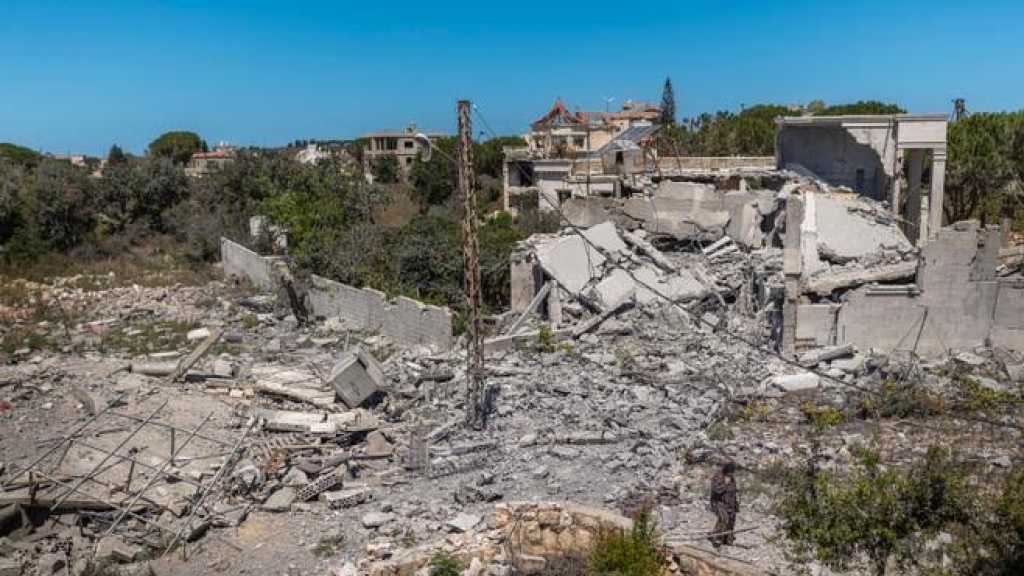
Saudi Arabia’s repression at home has been accompanied by allegations of grave violations abroad, particularly in Yemen, where its military intervention began in 2015. Much like “Israel” in Gaza, the Saudi-led coalition has been accused of unlawful airstrikes on homes, schools, hospitals, and markets, while restrictions on essential imports have contributed to widespread hunger and displacement. Human Rights Watch has documented attacks on civilian infrastructure in both conflicts, alongside restrictions on humanitarian supplies that have intensified civilian suffering.
The devastation in Yemen extended far beyond those martyred by airstrikes. In November 2018, Save the Children estimated that approximately 85,000 Yemeni children under five may have died from severe malnutrition since the Saudi-led intervention began. The estimate underscored how prolonged warfare, restrictions on food supplies, and the collapse of essential services could claim tens of thousands of young lives without directly targeting them with bombs.
Khashoggi: From Pariah to Partner
The contradiction between Western principles and strategic interests became particularly evident following the 2018 murder of Washington Post columnist Jamal Khashoggi inside the Saudi consulate in Istanbul. A 2021 American intelligence assessment concluded that Crown Prince Mohammed bin Salman approved the operation to capture or kill him, prompting Joe Biden to promise during his presidential campaign that he would make Saudi Arabia a pariah over the killing.
Yet when rising energy prices and geopolitical competition threatened American interests, Biden reversed course. In July 2022, he traveled to Saudi Arabia and greeted the crown prince with a fist bump, despite his earlier condemnation. Biden himself acknowledged that the visit was intended to advance American interests, demonstrating how his administration’s strategic priorities took precedence over his campaign promise to isolate Riyadh over Khashoggi’s murder.
When Business Takes Priority
Under Donald Trump, Washington’s strategic partnership with Riyadh deepened further, with billions of dollars in proposed arms sales and investment agreements despite continuing reports of Saudi human rights violations. The same selective approach is evident in Washington’s continued military support for “Israel” amid allegations of war crimes in Gaza.
In both cases, strategic interests appear to outweigh demands for accountability. For victims in Saudi prisons, Yemen and Gaza, accountability depends less on the violations committed than on whether the government responsible is an adversary or a valuable ally. When economic and strategic interests take precedence over accountability, human rights risk becoming an instrument of foreign policy rather than a universal principle.