- Home
- ISLAMIC RESISTANCE
- SECRETARY-GENERAL
-
Full Speeches
- Speeches-2000
- Speeches-2006
- Speeches-2007
- Speeches-2008
- Speeches-2009
- Speeches-2010
- Speeches-2011
- Speeches-2012
- Speeches-2013
- Speeches-2014
- Speeches-2015
- Speeches-2016
- Speeches-2017
- Speeches-2018
- Speeches-2019
- Speeches-2020
- Speeches-2021
- Speeches-2022
- Speeches-2023
- Speeches-2024
- Speeches-2025
- Speeches-2026
- Speech-Reports
- SG
-
Full Speeches
- Voices
- Ten Day Dawn
- The Biggest Crime
- Martyr Leaders

US Launches first Offensive Airstrike on ISIL near Baghdad
Local Editor
The United States launched at least one airstrike against the ISIL militants near Baghdad on Monday, marking the expansion of the US military campaign against the extremist group. The airstrike was reportedly requested by Iraqi forces under attack.
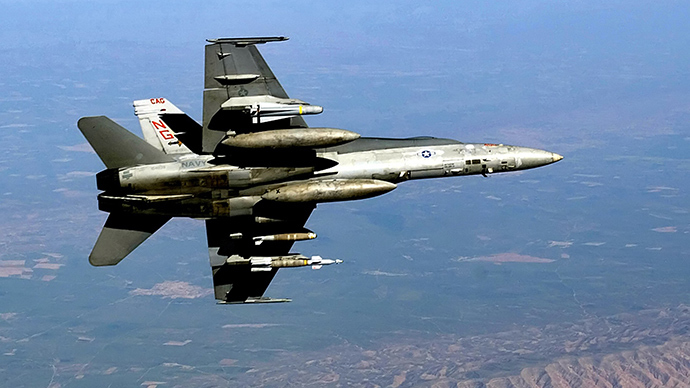 According to US officials, the airstrike was authorized after Iraqi security forces requested air power support as they engaged ISIL fighters south of Baghdad.
An unnamed military official, meanwhile, told NBC News that the most recent air attack near Baghdad was an "offensive" strike, and there was no suggestion that militants were making headway towards the country's capital.
US Central Command confirmed the air strike and affirmed that it was part of a new phase in the battle against ISIL.
By directly supporting Iraqi forces from the air as they participated in what ABC News described as a "firefight," officials say the US is beginning to act on President Barack Obama's strategy to actively engage the ISIL. As Obama announced last week, his plan is to "degrade and ultimately destroy" the group through expanded airstrikes and by forming a coalition against it.
Additionally, the US also launched at least one airstrike near Sinjar Mountain in northwestern Iraq, where ethnic minorities like the Yazidis were previously cornered by militants and faced starvation.
The United Kingdom, meanwhile, has said it would arm the Kurds in northern Iraq and continue offering humanitarian aid.
So far, most US allies, including those in the region - Jordan, Turkey, and Saudi Arabia - have ruled out deploying ground forces to fight ISIL militants.
US Secretary of State John Kerry told CBS that some countries have offered to deploy ground troops in the fight, but it was unclear exactly which nations he was referring to. State Department officials noted that Kerry's statement did not refer to Western or Arab forces.
Source: News Agencies, Edited by website team
Comments
- Related News
US Military Faces Strain as Iran War Continues
one month ago