The War Iran Won: Why Washington’s Allies Are Turning to Tehran
By Mohamad Hammoud
Eight months after the United States and “Israel” launched their war against Iran, senior officials from Saudi Arabia, Pakistan, and Turkey arrived in Tehran on October 26 to discuss regional security. Their visit raised a question that battlefield assessments cannot answer: What happens when the world's strongest military fails to impose its political will?
CNN identified the visitors as Saudi Defense Minister Khalid bin Salman, Pakistani army chief Asim Munir, and Turkish intelligence chief Ibrahim Kalin. Their countries belong to the Mecca Alliance, a defense arrangement. Although the meeting produced no formal agreement, Washington's partners were discussing security with the country it had sought to isolate.
Military Destruction, Strategic Survival
Washington and “Israel” inflicted extensive damage on Iranian infrastructure, but destruction did not produce political submission. In Foreign Policy, former CIA analyst Kenneth Pollack argued that the war had not eliminated Iran's capacity to threaten Gulf economies. His assessment illustrates why military superiority and strategic success are different: an adversary can suffer serious losses while retaining the ability to impose costs.
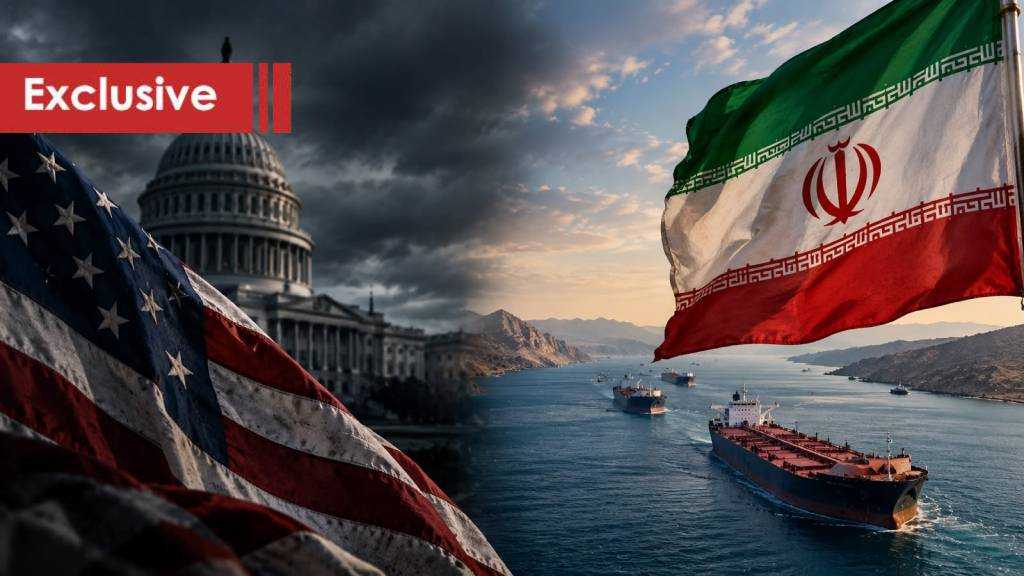
The Strait of Hormuz makes that distinction concrete. Washington's naval counter-blockade of Iranian ports has not stopped Tehran from asserting control over the strategic waterway. Iran's ability to disrupt international shipping and energy exports continues to threaten Gulf economies, giving Tehran considerable leverage even after eight months of war.
The Limits of American Protection
For decades, Washington justified its Gulf presence by promising to protect regional allies. American bases, advanced air defenses, and billions in weapons purchases supported that promise. Yet the war exposed its limits: Iranian attacks showed that sophisticated defenses could not fully shield infrastructure or prevent disruption to trade and energy supplies.
Saudi Arabia also faces renewed attacks from Yemen's Ansarullah movement, increasing the risks of a wider confrontation. Together, these pressures raise an uncomfortable question for Riyadh: What protection can Washington guarantee if another American attack on Iran exposes Saudi facilities to retaliation? Direct engagement with Tehran offers a way to reduce that risk rather than merely prepare to absorb it.
Tehran's Regional Vision Gains Ground
For years, Iran has advocated a regional security system that reduces outside interference, particularly American dominance. Washington's military partnerships long limited the proposal's appeal, but the October 26 meeting suggests those calculations may be shifting. Anadolu Agency quoted Iranian Foreign Ministry spokesman Esmaeil Baqaei describing the talks as a possible beginning of such a framework. His remarks mattered because Saudi Arabia, a longtime American partner, was now participating in the discussion.
The implications also drew attention from “Israeli” observers. CNN cited Danny Citrinowicz, a former senior “Israeli” military intelligence official, who interpreted the meeting as recognition that Iran remains a central regional player. His assessment highlights the political influence Tehran retains despite the war.
Washington Threatens, Its Partners Negotiate
President Donald Trump has repeatedly threatened renewed military strikes against Iran, but Tehran's warnings of retaliation against American bases, Gulf infrastructure, and regional economic interests have raised the stakes of another confrontation.
Each new threat from Washington carries the possibility of a response that could spread the destruction far beyond Iran's borders, placing America's regional partners directly in the line of fire. Trump's failure to follow through on his latest threats suggests that Iran's ability to retaliate has complicated Washington's military calculations, while giving Saudi Arabia, Pakistan, and Turkey powerful reasons to seek a diplomatic alternative.
Rather than wait for another American attack that could endanger their own security and economies, the three countries traveled to Tehran to explore ways to prevent further escalation. Pakistan reportedly initiated the meeting, while Turkey's participation reflected its own interest in regional stability. Together, their diplomatic efforts illustrate how Iran's deterrent capabilities are influencing the decisions of governments that have traditionally relied on American military protection.
The Strategic Price of War
The war has damaged Washington's credibility among countries that trusted its security guarantees. Iran now claims greater control over the Strait of Hormuz, threatening global shipping and driving up energy costs, while Gulf governments have watched their infrastructure come under attack despite billions spent on American protection.
Rather than weakening Iran's regional position, the war has exposed America's inability to protect its allies or impose its political demands. Eight months later, those allies are traveling to Tehran seeking the security Washington failed to guarantee. That is the strategic reversal: Iran has gained leverage and influence, while America has paid the price in credibility, economic stability, and regional dominance.
Comments