- Home
- ISLAMIC RESISTANCE
- SECRETARY-GENERAL
-
Full Speeches
- Speeches-2000
- Speeches-2006
- Speeches-2007
- Speeches-2008
- Speeches-2009
- Speeches-2010
- Speeches-2011
- Speeches-2012
- Speeches-2013
- Speeches-2014
- Speeches-2015
- Speeches-2016
- Speeches-2017
- Speeches-2018
- Speeches-2019
- Speeches-2020
- Speeches-2021
- Speeches-2022
- Speeches-2023
- Speeches-2024
- Speeches-2025
- Speeches-2026
- Speech-Reports
- SG
-
Full Speeches
- Voices
- Ten Day Dawn
- The Biggest Crime
- Martyr Leaders

Egypt, Saudi Arabia and UAE Discuss De-escalation with Turkey and Pakistan
By Staff, Agencies
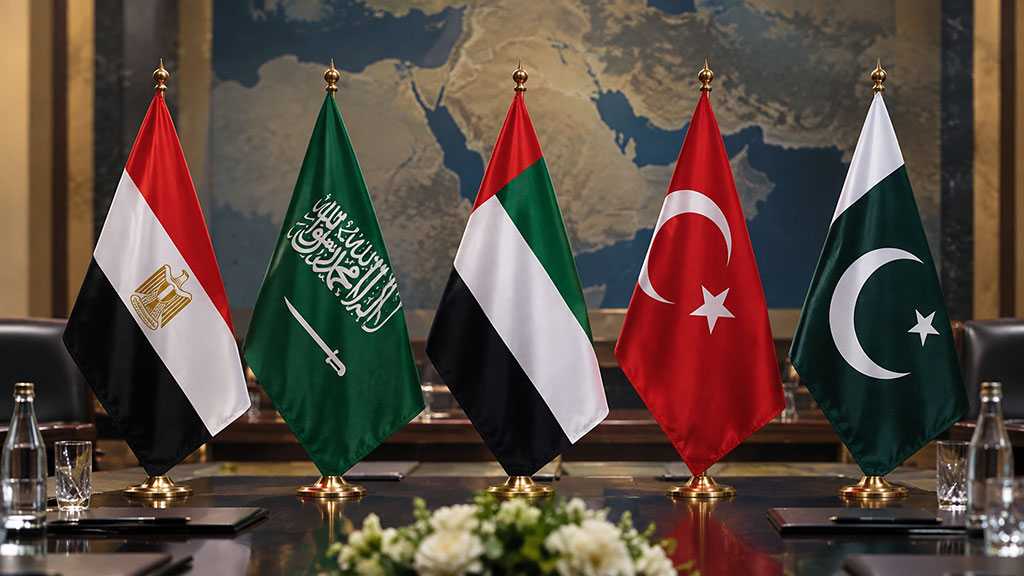
Egypt has held discussions with Saudi Arabia and the United Arab Emirates on efforts to reduce regional tensions and prevent further escalation, highlighting the importance of coordination through a four-country ministerial mechanism that also includes Turkey and Pakistan, according to the Egyptian Foreign Ministry.
Egyptian Foreign Minister Badr Abdelatty held separate telephone conversations on Tuesday with Saudi Foreign Minister Faisal bin Farhan and UAE Foreign Minister Abdullah bin Zayed, with the ministry outlining the discussions in statements released on Wednesday.
During his call with bin Farhan, Abdelatty addressed the latest regional developments and efforts to contain the crisis amid growing concerns over further escalation. Both ministers emphasized the need to pursue political and peaceful solutions through dialogue.
They also agreed to maintain close consultations and bilateral coordination, as well as cooperation through the four-way ministerial mechanism involving Egypt, Saudi Arabia, Turkey and Pakistan. The initiative aims to strengthen diplomatic coordination, support political solutions and help contain regional crises.
The discussions followed a decision by Egypt’s parliament a day earlier to approve, by a two-thirds majority, a mandate authorizing President Abdel Fattah Al-Sisi to take necessary measures to support Saudi Arabia and protect its territory, sovereignty and holy sites in coordination with the kingdom.
The diplomatic moves come amid continuing military escalation between Saudi Arabia and Yemen’s Ansarullah group since July. The confrontation has included retaliatory operations by Ansarullah targeting aviation facilities and energy infrastructure in Saudi Arabia.
In a separate conversation, Abdelatty and his Emirati counterpart discussed recent regional developments, particularly growing indications that tensions could intensify in the coming period.
The Egyptian foreign minister called on countries across the region to coordinate their efforts to achieve peaceful solutions and return all parties to a political process. He warned that without such efforts, the region could face a more dangerous phase of the ongoing crisis.
The discussions also come as diplomatic efforts continue to ease tensions between Washington and Tehran, amid disagreements over the conditions for reopening the Strait of Hormuz, a critical passage for international energy shipments and global trade.
On February 28, the United States and “Israel” launched a war against Iran. Tehran responded with operations targeting “Israel” and US military bases in Arab countries.
On June 18, Washington and Tehran signed a memorandum of understanding and began negotiations. However, the talks later collapsed amid disputes over US compliance with the agreement’s terms, including provisions concerning maritime navigation through the Strait of Hormuz.
The latest consultations among Egypt, Saudi Arabia and the UAE underscore ongoing regional diplomatic efforts to contain tensions, coordinate security concerns and pursue political avenues to prevent the crisis from widening further.
Comments
- Related News