- Home
- ISLAMIC RESISTANCE
- SECRETARY-GENERAL
-
Full Speeches
- Speeches-2000
- Speeches-2006
- Speeches-2007
- Speeches-2008
- Speeches-2009
- Speeches-2010
- Speeches-2011
- Speeches-2012
- Speeches-2013
- Speeches-2014
- Speeches-2015
- Speeches-2016
- Speeches-2017
- Speeches-2018
- Speeches-2019
- Speeches-2020
- Speeches-2021
- Speeches-2022
- Speeches-2023
- Speeches-2024
- Speeches-2025
- Speeches-2026
- Speech-Reports
- SG
-
Full Speeches
- Voices
- Ten Day Dawn
- The Biggest Crime
- Martyr Leaders

Saudi Journalist: Ties with ’Israel’ Improve If ’Israeli’ Arabs Work in Saudi Arabia
Local Editor
Top Saudi journalist Abdulrahman Al-Rashed, interviewed by Jewish journalist Joseph Braude in the US Hudson Institute, suggested that an initial step could be made to allow "Israeli" Arabs to work in Arab countries, beginning in Saudi Arabia; 'Without resolving the Palestinian-"Israeli" issue, it's not possible to address this problem substantively,' warned Al-Rashed. However, when discussing Arab "Israeli" employment, he added that 'From a Saudi perspective, the case for doing so can be made openly in terms of the virtue of empowering all Palestinians, on either side of the Green Line.'
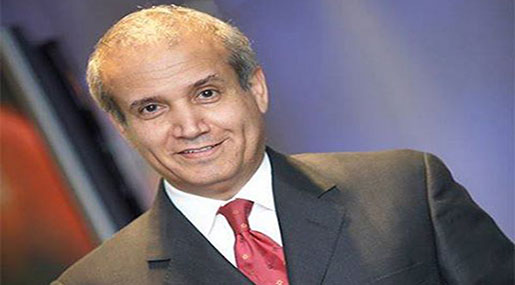
In an interview with US conservative think tank the Hudson Institute, journalist Joseph Braude interviewed Saudi journalist Abdulrahman Al-Rashed, who suggested that hiring "Israeli" Arabs in Arab countries could be a positive step toward establishing official relations between "Israel" and Saudi Arabia.
Al-Rashed was the editor of London-based Arab paper Asharq al-Awsat and had previously run Saudi-owned, pan-Arab television news channel Al Arabiya, in addition to being the most influential journalist in the Arab world in 2006.
In his interview, he spoke about how Saudi Arabia should take a more tolerant and open position toward non-Muslim residents within its borders who reside in the country for work.
Reflecting on how to progress relations between Saudi Arabia and "Israel", Al-Rashed suggested a creative, economic-based incentive that could also work to make the ties between both sides more official, through incorporating "Israeli" Arabs into the Arab world's work force.
"If the question is specifically what can be done now-before the conflict is resolved-to increase connectivity, perhaps a new step would be for Saudi Arabia to formally lift its ban on work visas for "Israel's" Arab citizens, and for "Israel" to welcome and foster Arab "Israelis'" professional deployment to any Arab country.
From a Saudi perspective, the case for doing so can be made openly in terms of the virtue of empowering all Palestinians, on either side of the Green Line."
Source: News Agencies, Edited by website team
Comments
- Related News