- Home
- ISLAMIC RESISTANCE
- SECRETARY-GENERAL
-
Full Speeches
- Speeches-2000
- Speeches-2006
- Speeches-2007
- Speeches-2008
- Speeches-2009
- Speeches-2010
- Speeches-2011
- Speeches-2012
- Speeches-2013
- Speeches-2014
- Speeches-2015
- Speeches-2016
- Speeches-2017
- Speeches-2018
- Speeches-2019
- Speeches-2020
- Speeches-2021
- Speeches-2022
- Speeches-2023
- Speeches-2024
- Speeches-2025
- Speeches-2026
- Speech-Reports
- SG
-
Full Speeches
- Voices
- Ten Day Dawn
- The Biggest Crime
- Martyr Leaders

Saudi King Admits Suffering Economic Pain: To Prevent External Interference!
Local Editor
In a blatant attack on Yemen's sovereignty, Saudi King Salman said that he is determined to prevent external "interference" in neighboring Yemen.
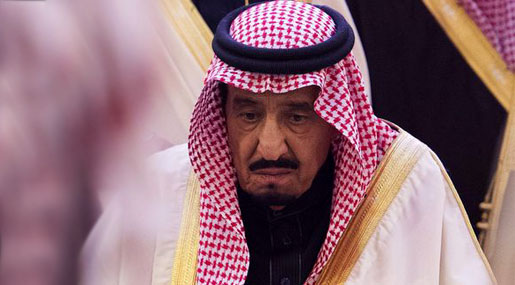
"We will not accept any interference in the internal affairs of Yemen," King Salman said in an address opening a new session of the Shura Council, an appointed body which advises cabinet.
Salman said his country will neither accept that Yemen "becomes a base or a point of passage for whatever state or party to menace the security or the stability of the kingdom and of the region."
King Salman underlined that Riyadh was open to a "political solution" in Yemen, whose security "is intrinsically linked to that of the kingdom." He also addressed the economic measures adopted in response to a sharp drop in oil prices.
The plunge in oil prices since mid-2014 has pushed energy-rich Gulf Arab states to rein in lavish public spending. Saudi Arabia racked up a record budget deficit of nearly $100 billion last year, forcing it to find new savings and ways to raise money.
On top of hikes in the prices of petrol, electricity and water over the past year, the Cabinet in September imposed a wage freeze on civil servants, who make up the bulk of the kingdom's workforce.
The government was left owing billions of dollars to private firms, chiefly in the construction sector, where tens of thousands of foreign workers were left unpaid.
King Salman said the government "took measures that were sometimes painful" because of the effect of lower oil prices, but that it has coordinated with other producers to stabilize the petroleum market. "The kingdom experienced similar circumstances in the past three decades, obliging it to reduce its expenses, but it always succeeded in surmounting them," he said.
Source: News Agencies, Edited by website team
Comments
- Related News