- Home
- ISLAMIC RESISTANCE
- SECRETARY-GENERAL
-
Full Speeches
- Speeches-2000
- Speeches-2006
- Speeches-2007
- Speeches-2008
- Speeches-2009
- Speeches-2010
- Speeches-2011
- Speeches-2012
- Speeches-2013
- Speeches-2014
- Speeches-2015
- Speeches-2016
- Speeches-2017
- Speeches-2018
- Speeches-2019
- Speeches-2020
- Speeches-2021
- Speeches-2022
- Speeches-2023
- Speeches-2024
- Speeches-2025
- Speeches-2026
- Speech-Reports
- SG
-
Full Speeches
- Voices
- Ten Day Dawn
- The Biggest Crime
- Martyr Leaders

Iran’s SNSC Chief Rejects US Response to Tehran’s Seven Conditions as “Inadequate”
By Staff, Agencies
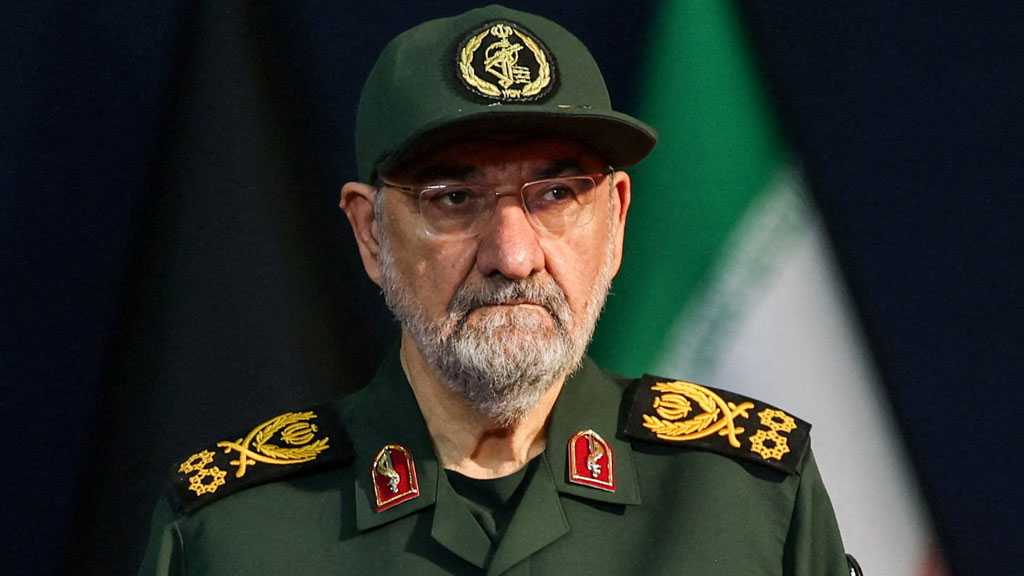
Secretary of Iran’s Supreme National Security Council [SNSC], Major General Mohsen Rezaei, has described Washington’s partial concessions to Tehran’s seven conditions for ending the ongoing war as “inadequate,” stressing that the US response falls well short of Iran’s demands.
In a post on X, Rezaei acknowledged that the United States had accepted some of the conditions put forward by the Islamic Republic but emphasized that partial concessions would not satisfy Tehran.
“Iranian diplomacy has changed, and there will be no return to the status quo ante,” he declared, signaling that Iran would not return to previous arrangements with Washington and would instead insist on the full implementation of its demands.
In a separate post, Rezaei sharply criticized the Trump administration’s strategic decisions and its role in initiating the war against Iran.
He said US President Donald Trump, “deluded by the fantasy of conquering Iran, launched one of the most idiotic wars in human history after being duped by Netanyahu.”
Rezaei also pointed to what he described as Washington’s failure to achieve its military objectives, referring to recent US attempts to circumvent Iranian maritime restrictions in the Strait of Hormuz.
“Now, after the US fleet failed to reopen the Hormuz, he has resorted to smuggling,” Rezaei wrote, adding that “the US military has never sunk to such a disgraceful low!”
His remarks come amid the Islamabad Memorandum of Understanding [MoU], which established a framework for halting the US-“Israeli” war against Iran.
Under the reported terms of the memorandum, Washington committed to lifting its naval blockade, releasing frozen Iranian assets and halting military operations in exchange for the gradual normalization of maritime traffic.
The agreement also stipulated that the resumption of commercial shipping through the Strait of Hormuz must be coordinated with and approved by Iranian authorities.
However, US officials have reportedly attempted to facilitate the passage of commercial vessels through the strategic waterway without prior coordination with Tehran, in a move Iran considers a violation of the agreed framework.
Iranian Armed Forces have responded by intercepting vessels they describe as unauthorized and enforcing the maritime restrictions established during the conflict.
Tehran maintains that the Strait of Hormuz will remain under its control until Washington fully implements all seven Iranian conditions, underscoring its position that any lasting settlement must respect Iran’s security demands and its authority over maritime passage through the strategic waterway.
Comments
- Related News