- Home
- ISLAMIC RESISTANCE
- SECRETARY-GENERAL
-
Full Speeches
- Speeches-2000
- Speeches-2006
- Speeches-2007
- Speeches-2008
- Speeches-2009
- Speeches-2010
- Speeches-2011
- Speeches-2012
- Speeches-2013
- Speeches-2014
- Speeches-2015
- Speeches-2016
- Speeches-2017
- Speeches-2018
- Speeches-2019
- Speeches-2020
- Speeches-2021
- Speeches-2022
- Speeches-2023
- Speeches-2024
- Speeches-2025
- Speeches-2026
- Speech-Reports
- SG
-
Full Speeches
- Voices
- Ten Day Dawn
- The Biggest Crime
- Martyr Leaders

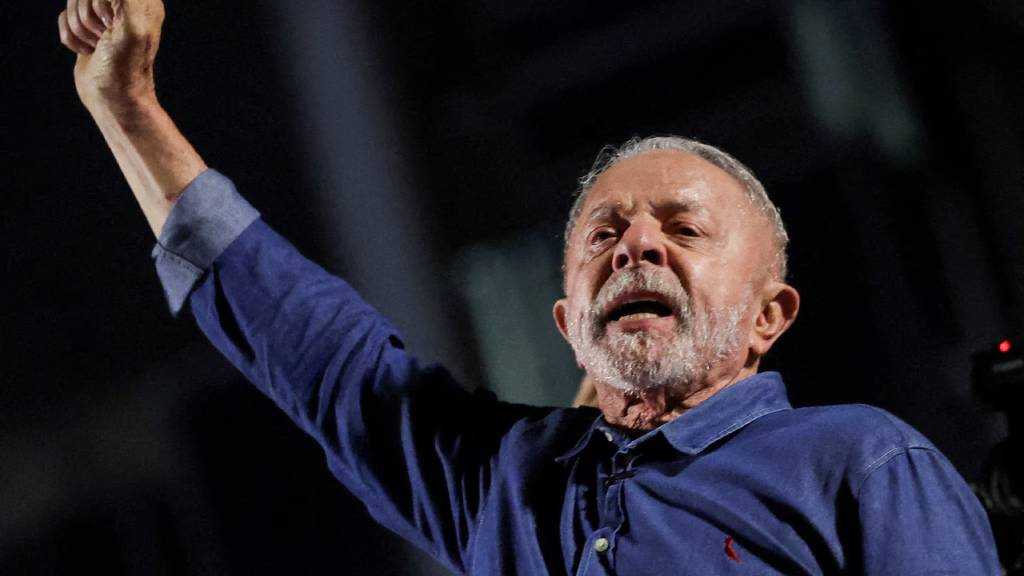
Lula’s Victory Exposes Limits of US Influence Over Latin America
By Staff, Agencies
Brazil's economic influence across Latin America is exposing the limits of Washington's ability to dictate regional political outcomes, with several right-wing governments recognizing President Luiz Inacio Lula da Silva's reelection despite US support for his opponent.
In an analysis published by Responsible Statecraft, writer and labor activist Antonio De Loera-Brust argued that the regional response highlights the growing gap between political alignment with Washington and national economic interests.
De Loera-Brust identified Brazil's position as a major trading partner as a key factor preventing neighboring countries from isolating Lula.
Paraguay, which was among the first countries to congratulate the Brazilian president, depends heavily on trade with Brazil, giving President Santiago Peña strong economic incentives to maintain relations regardless of his government's close ties with Washington.
Similar considerations could shape Argentina's approach under President Javier Milei. The author argued that replacing Brazil's commercial importance would be difficult for these countries, particularly given the potential domestic opposition to increased dependence on US imports.
The analysis identified Paraguay, Bolivia, Chile, Ecuador, Peru, Costa Rica, Honduras, and Colombia as countries that recognized Lula's victory before the Trump administration announced its position.
All eight are members of Trump's "Shield of the Americas," an initiative De Loera-Brust described as an effort to institutionalize US influence through regional security cooperation. Nevertheless, their response demonstrated that participation in Washington's initiatives does not necessarily translate into unconditional political alignment.
Colombian President Abelardo De La Espriella emphasized this position, declaring: "Brazil and Colombia need each other. No consideration can stand above the interests of our nations."
Chilean President José Antonio Kast also spoke with Lula by telephone. Argentina and El Salvador were identified as exceptions to the broader pattern.
The author further argued that Lula secured reelection despite Washington's efforts to support Flávio Bolsonaro, son of former Brazilian President Jair Bolsonaro.
According to the analysis, Trump's intervention provided Lula with an opportunity to frame the election around defending Brazilian sovereignty. Trump subsequently questioned the election results, describing them as "terrible" and suggesting they were rigged, while claiming he had not taken sides.
The article also reported that Flávio Bolsonaro had left Brazil for the United States, raising concerns over Washington potentially using him as a political figurehead against Lula's administration.
More broadly, De Loera-Brust argued that Washington's regional strategy faces structural limitations, as right-wing governments continue accepting US financial and security assistance while maintaining commercially important relationships with countries Washington seeks to counter.
He concluded that ideological alignment and diplomatic cooperation do not guarantee political obedience, with Latin American governments increasingly prioritizing domestic considerations, economic partnerships, and national interests over Washington's preferences.
Comments
- Related News