Iran’s Assembly of Experts Calls for Defense Doctrine Review
By Staff, Agencies
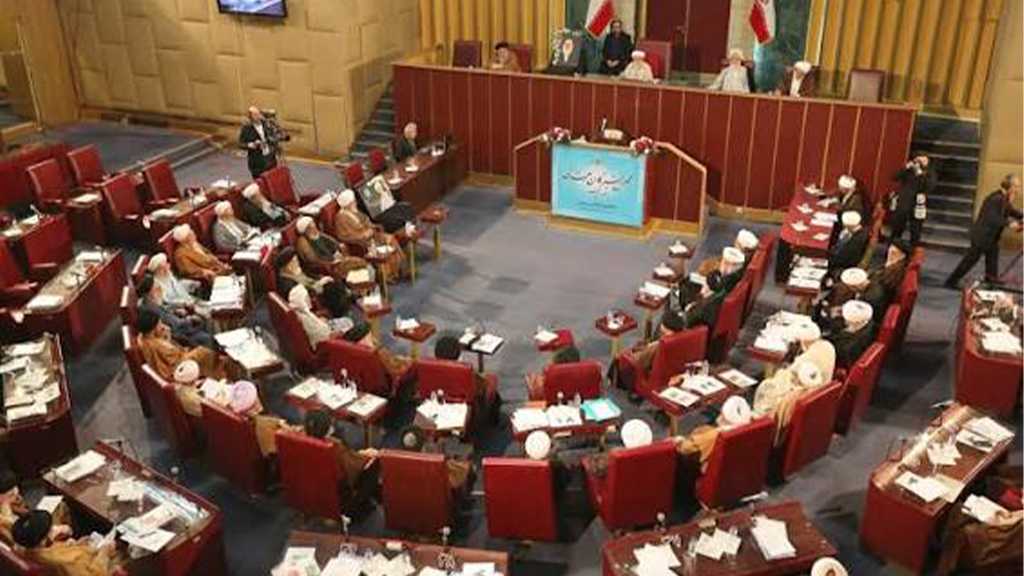
Iran’s Assembly of Experts has described a review of the country’s defense doctrine as an inevitable necessity, calling for consideration of withdrawal from the Nuclear Non-Proliferation Treaty (NPT) and the establishment of effective deterrence amid continued threats against the country.
In a statement issued on Thursday, the Assembly addressed several domestic and foreign policy issues, including growing public demands for withdrawal from the NPT, the need to revise Iran’s defense doctrine, continued resistance against aggression and the pursuit of dignified diplomacy.
Addressing threats against Iran, particularly those targeting its nuclear capabilities, the Assembly said such developments had demonstrated that the country could not rely on international institutions to safeguard its interests.
It therefore called for examining withdrawal from the NPT, reviewing the national defense doctrine and establishing the necessary deterrence, describing these measures as an inevitable necessity and a public and national demand.
The Assembly also cautioned Iranian officials against making concessions to Washington, citing the Leader's warning that those who believe concessions to the United States could persuade it to abandon its hostility toward Iran are seriously mistaken.
It further quoted the Leader as warning that any inclination toward surrender would squander the sacrifices made by the Iranian people and the blood of martyrs, while encouraging further demands and aggression by the country's adversaries.
The statement called on government officials, the armed forces and the Iranian people to remain steadfast in pursuing the country's rights, expressing confidence in national support and divine assistance.
The Assembly also warned that Iran's adversaries were increasingly relying on economic warfare to weaken the country, including attempts to impose air and land blockades and disrupt its economic lifelines.
In response, it proposed establishing a wartime economic headquarters involving the different branches of government and operating under the supreme oversight of the Leader's office to coordinate the country's economic defense.
Warning against renewed military aggression, the Assembly said any further attack would receive an immediate and effective response from Iranian forces, “without geographical limitations.”
It also urged the Foreign Ministry to continue defending Iran's positions through diplomacy, conveying the country's firm message to all parties, particularly neighboring states.
On regional security, the Assembly maintained that responsibility should rest exclusively with countries in the region, arguing that the presence of foreign forces from thousands of kilometers away was a primary source of insecurity. It called for the withdrawal of foreign powers that, it said, presented themselves as friends while contributing to regional instability.
The statement also highlighted the achievements of Yemen's fighters and the resistance of Lebanese fighters, describing them as evidence of the effectiveness of coordination among resistance fronts. It stressed that continued support for allied resistance movements should remain a national priority.
The Assembly further pointed to mounting crises and protests in European countries, alongside electoral setbacks suffered by pro-war forces in the United States and the “Israeli” entity, arguing that these developments reflected the consequences of supporting aggressors.
In another part of the statement, the Assembly strongly condemned what it described as unjust judicial rulings in certain regional countries against citizens, particularly young people and religious scholars.
It characterized the rulings as violations of religious rights, human dignity and the status of religious scholars, calling on the governments concerned to revoke them and strengthen national unity against common regional threats.