- Home
- ISLAMIC RESISTANCE
- SECRETARY-GENERAL
-
Full Speeches
- Speeches-2000
- Speeches-2006
- Speeches-2007
- Speeches-2008
- Speeches-2009
- Speeches-2010
- Speeches-2011
- Speeches-2012
- Speeches-2013
- Speeches-2014
- Speeches-2015
- Speeches-2016
- Speeches-2017
- Speeches-2018
- Speeches-2019
- Speeches-2020
- Speeches-2021
- Speeches-2022
- Speeches-2023
- Speeches-2024
- Speeches-2025
- Speeches-2026
- Speech-Reports
- SG
-
Full Speeches
- Voices
- Ten Day Dawn
- The Biggest Crime
- Martyr Leaders

Shin Bet Sought to Spy on Arab Lawmakers Ahead of Elections
By Staff, Agencies
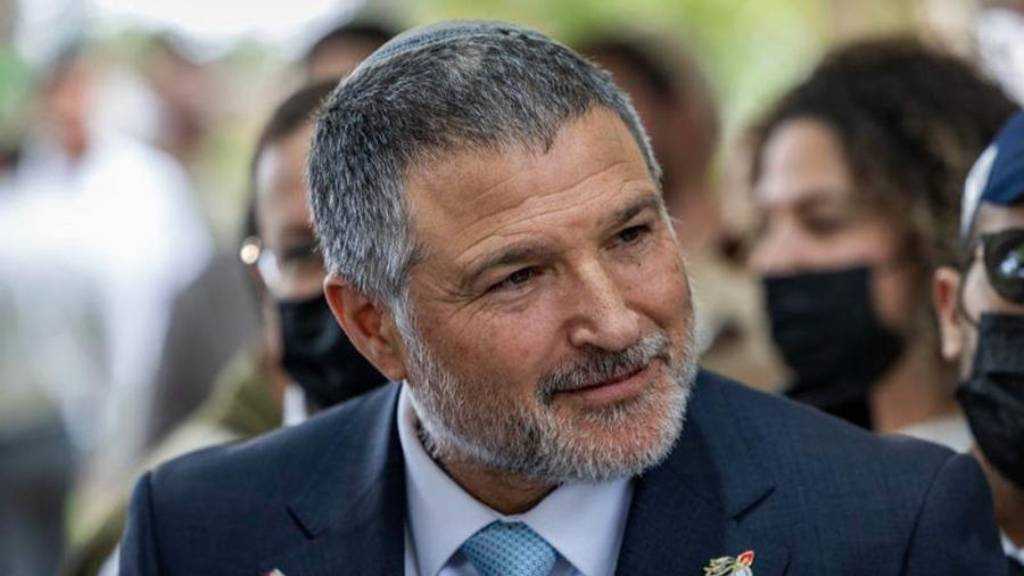
Shin Bet chief David Zini sought authorization to surveil Arab lawmakers for three days surrounding the recent elections, including Joint List members Ahmad Tibi and former lawmaker Ayman Odeh, "Israeli" newspaper "Haaretz" reported Sunday, citing law enforcement sources.
According to the report, Zini intended to monitor the lawmakers on the eve of the election, election day, and the following day. Legal officials asked him to submit a formal request outlining the grounds for surveillance, but he failed to do so.
The day after the election, Zini persuaded Election Committee head and Supreme Court Deputy President Noam Sohlberg to initiate an investigation based on information gathered by the Shin Bet.
Sohlberg subsequently referred the matter for a joint investigation involving the Shin Bet and police. Zini also briefed Benjamin Netanyahu on the information.
Three days later, Zini reportedly sought authorization to surveil three additional lawmakers from Ra'am and the Joint List and interrogate them under caution.
However, a law enforcement source described the intelligence presented as extremely limited, lacking concrete evidence and resting on an unfounded basis.
According to "Haaretz's" sources, Zini became confrontational during discussions with legal officials who questioned how the allegations constituted a threat to state security. He reportedly argued that the matter was serious enough to potentially invalidate the election results.
Sources also quoted Zini as saying that if authorized to wiretap and investigate the lawmakers, he would produce the evidence needed to establish reasonable suspicion.
Separately, "Israel's" Channel 12 reported that Netanyahu's chief of staff, Ido Norden, filed a police complaint on October 27 concerning reported vote-buying by supporters of the United Arab List. The information was reportedly supplied by a former employee of Netanyahu's office.
Three Arab party activists were arrested on election day based on the allegations, which Netanyahu's team subsequently used to accuse Arab parties of electoral fraud.
All three were later released after police determined that the allegations against them were baseless.
Netanyahu's office rejected Channel 12's report as a "lie," insisting that Norden had simply fulfilled his civic duty by referring the information to police.
The Joint List demanded an immediate investigation into Netanyahu and those involved in what it described as an attempt to steal the election. The Arab parties secured 19 Knesset seats, a historic result that could prove significant in efforts to form a government excluding Netanyahu.
Comments
- Related News
Shin Bet Sought to Spy on Arab Lawmakers Ahead of Elections
19 minutes ago