- Home
- ISLAMIC RESISTANCE
- SECRETARY-GENERAL
-
Full Speeches
- Speeches-2000
- Speeches-2006
- Speeches-2007
- Speeches-2008
- Speeches-2009
- Speeches-2010
- Speeches-2011
- Speeches-2012
- Speeches-2013
- Speeches-2014
- Speeches-2015
- Speeches-2016
- Speeches-2017
- Speeches-2018
- Speeches-2019
- Speeches-2020
- Speeches-2021
- Speeches-2022
- Speeches-2023
- Speeches-2024
- Speeches-2025
- Speeches-2026
- Speech-Reports
- SG
-
Full Speeches
- Voices
- Ten Day Dawn
- The Biggest Crime
- Martyr Leaders

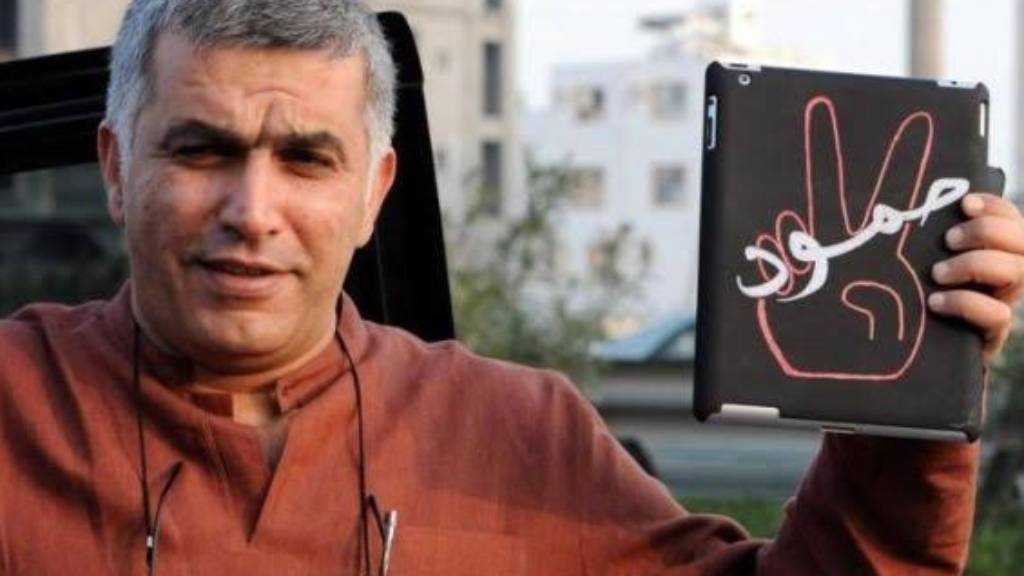
Bahraini Human Rights Activist Nabeel Rajab Passes Away in Turkey
By Staff, Agencies
Bahraini human rights activist Nabeel Rajab passed away on Tuesday while in Turkey, following decades of activism defending public freedoms, human rights, and prisoners' rights.
He became one of the most prominent figures in Bahrain's rights movement, particularly during the 2011 uprising.
Rajab co-founded and formerly headed the Bahrain Center for Human Rights, established in 2002, and founded the Gulf Center for Human Rights.
He also served as deputy secretary-general of the International Federation for Human Rights [FIDH] from 2012 to 2016 and was a member of Human Rights Watch's Middle East advisory committee.
His activism dated back to the 1990s, but he gained international prominence in 2011 for documenting alleged rights violations and criticizing the authorities' handling of the protests.
He received the Ion Ratiu Democracy Award in 2011 and the Index on Censorship Freedom of Expression Award in 2012.
Rajab faced repeated arrests and prosecutions over his activism and social media posts. In April 2015, he was arrested over tweets criticizing the Saudi-led aggression on Yemen, before being released in July under a royal pardon on health grounds.
His longest detention began in June 2016, when he was arrested over media appearances and social media posts criticizing Bahrain's participation in the war on Yemen and conditions at Jau Prison.
He subsequently received prison sentences, including a five-year term in February 2018 on charges related to his statements and criticism of public authorities and Saudi Arabia. Rights organizations maintained that the cases targeted his freedom of expression.
During his imprisonment, rights groups raised concerns over his treatment, including reported solitary confinement, mistreatment, forced searches, and inadequate medical care.
He was eventually released on June 9, 2020, under Bahrain's alternative sentencing system, after nearly four years in detention, with the remainder of his sentence converted into community service.