- Home
- ISLAMIC RESISTANCE
- SECRETARY-GENERAL
-
Full Speeches
- Speeches-2000
- Speeches-2006
- Speeches-2007
- Speeches-2008
- Speeches-2009
- Speeches-2010
- Speeches-2011
- Speeches-2012
- Speeches-2013
- Speeches-2014
- Speeches-2015
- Speeches-2016
- Speeches-2017
- Speeches-2018
- Speeches-2019
- Speeches-2020
- Speeches-2021
- Speeches-2022
- Speeches-2023
- Speeches-2024
- Speeches-2025
- Speeches-2026
- Speech-Reports
- SG
-
Full Speeches
- Voices
- Ten Day Dawn
- The Biggest Crime
- Martyr Leaders

Iran Rejects Unrestricted Nuclear Inspections Amid Attack Threats
By Staff, Agencies
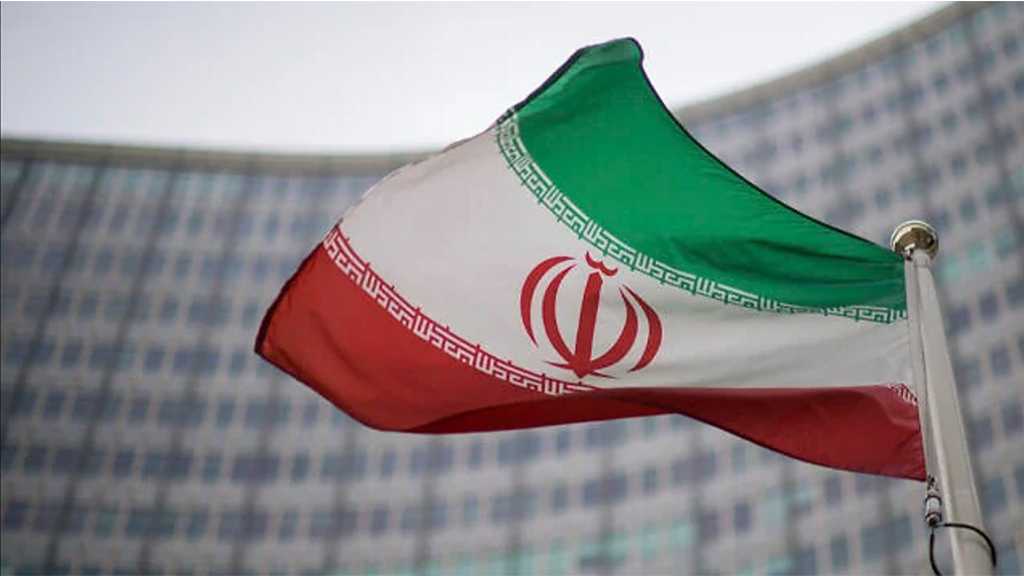
Iran has warned that it will not grant unrestricted access to its nuclear facilities while they remain under threat of further military attacks, saying inspection requests will be assessed individually according to security conditions.
Addressing the International Atomic Energy Agency’s (IAEA) Board of Governors, Iran’s ambassador to international organizations in Vienna, Reza Najafi, said Tehran would not accept being subjected to military attacks while simultaneously being pressed to disclose detailed information about its nuclear materials and facilities.
Najafi linked the IAEA’s reported loss of continuity of knowledge over Iran’s nuclear materials to the June 2025 US and “Israeli” attacks on safeguarded nuclear facilities.
He argued that the agency could not separate the disruption to its verification activities from the attacks that caused it, accusing the IAEA of assigning responsibility to Iran rather than those responsible for the strikes.
The envoy criticized the agency and its Board of Governors for failing to condemn the attacks, contrasting their response with the international condemnation of the “Israeli” attack on an Iraqi nuclear facility in 1981.
He said the 2025 attacks were more extensive, targeted operational facilities containing nuclear materials, and were described by IAEA Director General Rafael Grossi as unprecedented in the agency’s history.
Najafi also challenged the legality of three board resolutions adopted in November 2025 and June and September 2026, arguing that they demanded access to Iranian facilities without addressing the continuing threat of further attacks. He described the September resolution as an abuse of power and process.
He further questioned whether information obtained through inspections could be used to facilitate renewed military strikes, citing continued US threats against Iran’s nuclear facilities and reported American rewards for information concerning its nuclear program, scientists, personnel, and sites.
Najafi said Iran would reconsider access conditions and the admission of designated inspectors, stressing that each inspection request would be assessed on a case-by-case basis. He added that Tehran retained the legal right to suspend its safeguards obligations under the current circumstances, although it had not yet exercised that right.
Reaffirming Iran’s commitment to its international obligations and its right to peaceful nuclear energy, including a full domestic nuclear fuel cycle, Najafi called on the IAEA to uphold independence, impartiality, and non-discrimination. He also recalled Iran’s previous cooperation with the agency, including 16 consecutive reports verifying its implementation of commitments under the 2015 nuclear deal.
Comments
- Related News