Round-up 19-11-2009
The complex issue of the Internal Security Force is under the limelight, due to the long-time dispute between ISF Director General Major General Achraf Rifi and Colonel Antoine Chakkour, the commander of the gendarmerie corps. As reconciliations between political leaders pave the way toward national dialogue. The Israeli intelligence services file reopens with a new suspect.
Al Akhbar
Titles
Baroud looks for a comprehensive solution for the ISF after the vote of confidence
The Alec Collett mystery: A mass grave?
ISF Intelligence reopens the Israeli espionage case: A suspect is arrested.
News
The complex file of the Internal Security Forces (ISF) is once again under the political spotlight. According to sources, the issue is snowballing and threatening to bring down the commander of the gendarmerie in its way. The legitimacy of the ISF Intelligence is being suspected.
A key official summed up the crisis in the ISF Command, saying to Al-Akhbar that "the issue has been delayed for a few weeks and [the solution to it] is to be adopted in the Council of Ministers; or else the entire ISF will be restrained."
On his part, Interior Minister Ziad Baroud informed the parties involved of his rejection to the partial solutions that are being proposed, saying that he will not accept any penalizing measures against any officer, especially Colonel Chakkour. Baroud said he was annoyed that Rifi executed what he did without resorting to him first.
At the political level, the consultations between the opposition, which included Speaker Nabih Berri, Hizbullah, General Michel Aoun and MP Suleiman Franjieh has led to their rejection of the attempt to topple Colonel Chakkour amid current dispute within the leadership of the Internal Security Forces.
According to high-ranking sources within the ISF, the ISF Intelligence arrested a native of the southern village of Tebnin on suspicion of collaborating with the "Israeli" intelligence services.
Lebanese security sources assured that the British team has found the body of missing British journalist Alec Collett in Aita al-Fakhar. However, this discovery urges for a comprehensive initiative to exhume the bodies that were found in the former Palestinian outpost.
As-safir
Titles
The Jumblatt-Franjieh meeting in Baabda represents an additional crossing from Mukhtara to Damascus
Parliament turns on the engine of "abrogating sectarianism"
"Chakkour's mutiny" leaves the ISF leadership issue open for discussion ... following the confidence vote!
News
The ISF issue is back under the limelight due to the long-time conflict between ISF Director General Major General Achraf Rifi and Colonel Antoine Chakkour, the commander of the gendarmerie corps.
MP Walid Jumblatt told As-Safir that the resolution of the dispute within the ISF requires a carefully-examined stand that reassures the concept of hierarchy and prevents further divisions that are damaging to the institution.
Following the Change and Reform bloc meeting, General Michel Aoun said that the ISF has been stained by violations for a while now, adding that the ISF Command committee is stalled and should be led by one person only.
MP Jumblatt told As-Safir that yesterday's meeting with MP Sleiman Franjieh was extremely positive.
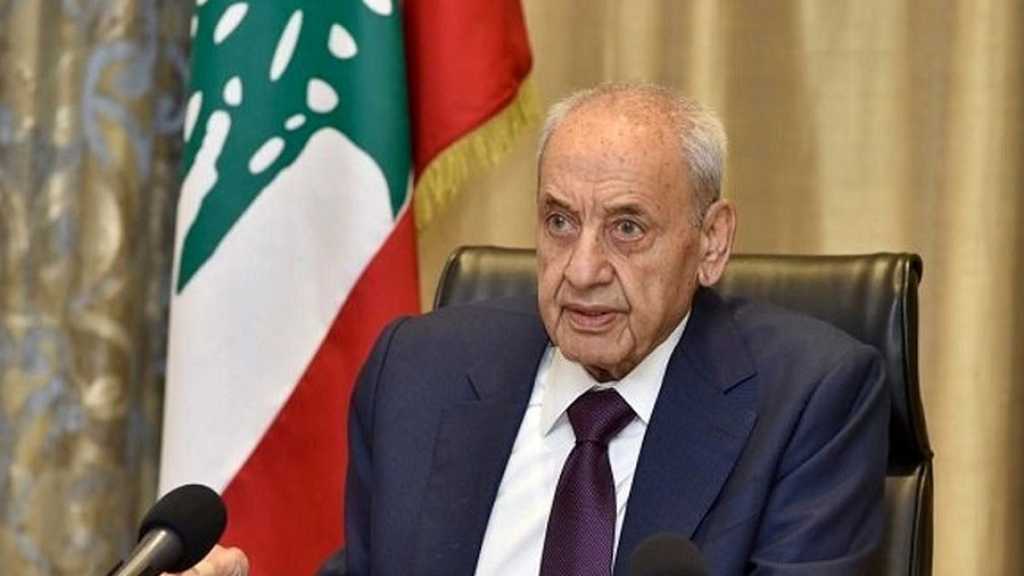
Speaker Berri visited the Baabda Presidential Palace, saying afterwards that by sponsoring these reconciliations, the president is sponsoring the unity of the country in order "to turn the page of a nasty past." Berri exposed that other similar initiatives will unfold soon.
As-Safir has learned that the Ministerial Committee has almost concluded the argument of the items relating to the Lebanese-Syrian relations and the Palestinian issue, whereas the item relating to the Resistance remains hinging.
Besides, the ISF Intelligence arrested a native of the southern village of Tebnin on suspicion of collaborating with the "Israeli" intelligence services for many years.
An-nahar
Titles
Baabda paves the way for the [National] Dialogue with reconciliations; Aoun and Jumblatt [are to meet] next week.
The Ministerial Statement is deadlocked by [its] political section; Berri brings up the abrogation of sectarianism.
News
The reconciliation meeting held yesterday in Baabda between MPs Walid Jumblatt and Sleiman Franjieh seemed to be an introduction for other reconciliations, the most important of which - according to sources - will be held next week between MP Jumblatt and General Michel Aoun.
MP Franjieh's sources told An-Nahar that the talks did not touch on the past, but rather on making a new start. Sources close to Jumblatt also stressed the positive atmosphere during the meeting.
General Michel Aoun praised the reconciliation meeting between Franjieh and Jumblatt and said he does not mind meeting with the latter "not within the framework of [certain] conditions, but rather within the framework of specific topics to deal with, which would grant the meeting a national and popular sense."
Speaker Nabih Berri took parliamentary and political circles by surprise by proposing an advanced "agenda" for forming a national committee for the abrogation of political sectarianism.
The first meeting of the parliament office committee and the leaders and reporters of parliamentary commissions, which was headed by Speaker Berri, drew the broad outline of essential political issues.