- Home
- ISLAMIC RESISTANCE
- SECRETARY-GENERAL
-
Full Speeches
- Speeches-2000
- Speeches-2006
- Speeches-2007
- Speeches-2008
- Speeches-2009
- Speeches-2010
- Speeches-2011
- Speeches-2012
- Speeches-2013
- Speeches-2014
- Speeches-2015
- Speeches-2016
- Speeches-2017
- Speeches-2018
- Speeches-2019
- Speeches-2020
- Speeches-2021
- Speeches-2022
- Speeches-2023
- Speeches-2024
- Speeches-2025
- Speeches-2026
- Speech-Reports
- SG
-
Full Speeches
- Voices
- Ten Day Dawn
- The Biggest Crime
- Martyr Leaders

Moussawi: Where are those who claim to care for Taif Accord, when it comes to the abolition of political sectarianism?

Local Editor, 26-11-2009
Loyalty to the Resistance bloc member MP Nawwaf Moussawi wondered how some forces previously advocating the implementation of the Taif, now exhibit seemingly opposed reactions to it." The puzzlement here stems from the lack of understanding of the nature of this position, is it a retraction from the Taif Accord?
Moussawi also indicated that Speaker Berri through raising the implementation of Article 95 of the Constitution, which says that after the parliamentary election takes place with equal distribution in parliament, the Cabinet must take the initiative to make the necessary measures to abolish political sectarianism and to form the national bodyfor the task. It is precisely this that Speaker Nabih Berri proposed after the recent election of a new Parliament.
Hizbullah also responded to the campaign against the resistance arms or the subject of disbanding the militias as an excuse not to go ahead with abolishing political sectarianism. Hizbullah decisively responded and Moussawi said: "In relation to the militias, they have been disbanded, therefore militias are no longer. As for the extension of the State's authority and rule of law over all regions, its authority is extended except for areas still under occupation, the liberation of which requires action."
Based on this, Moussawi concluded saying that the attempt to mix between resistance and militia is a coup against the Taif Accord, because the Taif noted taking all measures necessary to liberate Lebanon, armed resistance being inclusively implied by "all measures" not just diplomatic maneuverings.
If it is too early a stage to discuss the abolition of political sectarianism, particularly since we are still working out the composition of the committee that is to oversee this process, this proposal uncovered who really genuinely cares for the State.
Hence, after it was delayed for many years due to existing circumstances, Berri in raising this state wide reformist subject now, he does not propose the abolition of sectarianism as of tomorrow, but does put the implementation process of the Accord and its constitutional text within the framework of national consensus. Moreover, he is not raising this single point alone but along side the administrative decentralization project.
These proposals are now presented before those who have been glorifying the Taif Accord, yet, now that action is required, they evade for reasons that may be connected to their own special interests.
Comments
- Related News
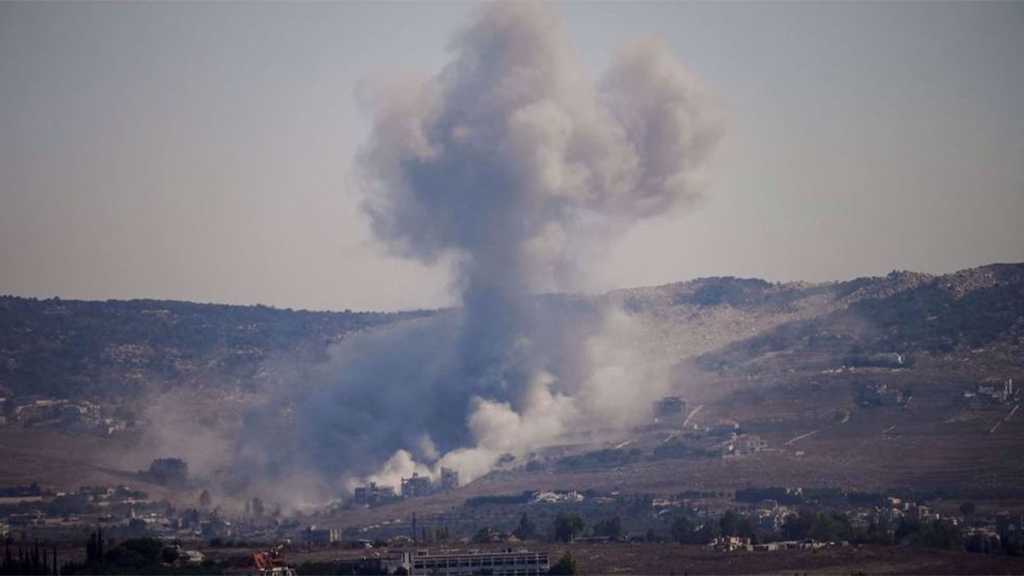
13 Killed in ’Israeli’ Strikes on Southern Lebanon
one month ago