- Home
- ISLAMIC RESISTANCE
- SECRETARY-GENERAL
-
Full Speeches
- Speeches-2000
- Speeches-2006
- Speeches-2007
- Speeches-2008
- Speeches-2009
- Speeches-2010
- Speeches-2011
- Speeches-2012
- Speeches-2013
- Speeches-2014
- Speeches-2015
- Speeches-2016
- Speeches-2017
- Speeches-2018
- Speeches-2019
- Speeches-2020
- Speeches-2021
- Speeches-2022
- Speeches-2023
- Speeches-2024
- Speeches-2025
- Speeches-2026
- Speech-Reports
- SG
-
Full Speeches
- Voices
- Ten Day Dawn
- The Biggest Crime
- Martyr Leaders

Joint List and Ra’am Sign Electoral Pact, Set Conditions for Supporting Eisenkot
By Staff, Agencies
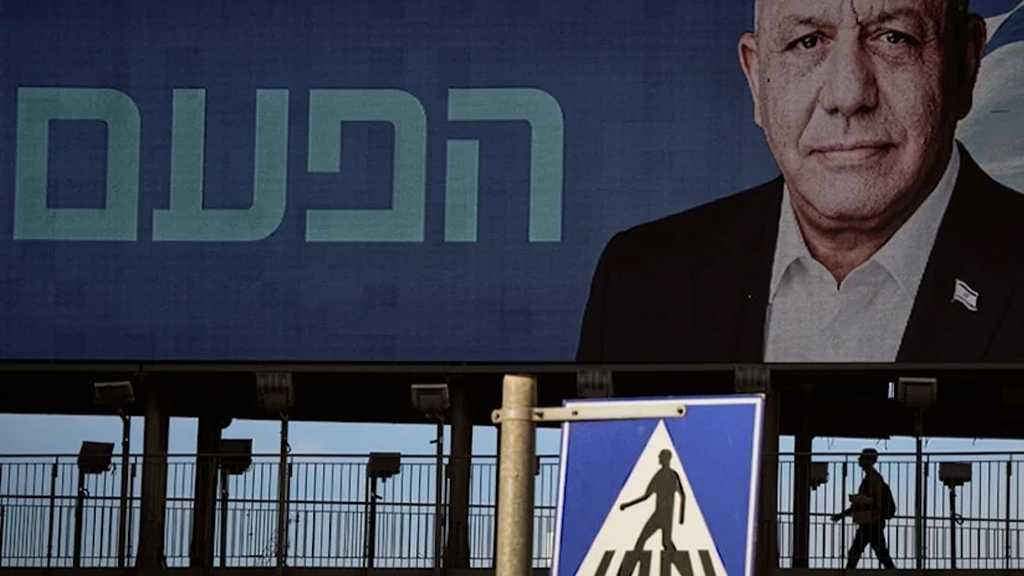
The Joint List and the United Arab List (Ra’am) have signed a surplus-vote agreement ahead of the next "Israeli" "Knesset" elections, while the Joint List has set conditions for supporting Yashar party leader Gadi Eisenkot in efforts to remove Prime Minister Benjamin Netanyahu from office.
Democratic Front for Peace and Equality (Hadash) Secretary Amjad Shbita said the Joint List could secure at least nine seats in the upcoming elections. He stressed that the alliance would not participate in a government that legislates what he described as occupation and genocide.
Shbita said the Joint List could provide a “safety net” to Eisenkot if he guaranteed the implementation of its political and service-related demands. These include ending the genocide in Gaza, halting settlement expansion in the occupied West Bank, establishing a political path toward a Palestinian state, combating crime, and stopping home demolitions.
He also reiterated the Joint List’s rejection of the concept of a “Jewish state” and compulsory military service, stressing that the alliance would not compromise on its principles.
Former head of the High Follow-Up Committee for the "Arab" masses, Mohammad Barakeh, said the two Arab electoral lists could play a decisive role in determining the next government. He called for Netanyahu’s removal but stressed that this did not necessarily mean Arab voters would support Eisenkot.
Barakeh argued that Eisenkot’s need for Arab votes could create an opportunity to negotiate over Palestinian and Arab demands, while emphasizing the importance of preserving the Palestinian presence and adhering to established political principles.
Meanwhile, Arab Movement for Renewal leader Ahmad Tibi said the Joint List sought to influence the next government’s policies without joining it. He described the political alternatives as a choice between “bad and worse,” pointing to the possibility of a government bringing together Netanyahu and Eisenkot.
Tibi also accused Netanyahu of exploiting security fears to influence the election outcome, arguing that continued war would not save him politically. He warned that the right wing could resort to provocations or attempts to disrupt the elections, suggesting Netanyahu might seek to remain in office even through a caretaker government.
Comments
- Related News