Araghchi: Iran’s Hormuz Plan Remains on Table as Islamabad MoU Expires
By Staff, Agencies
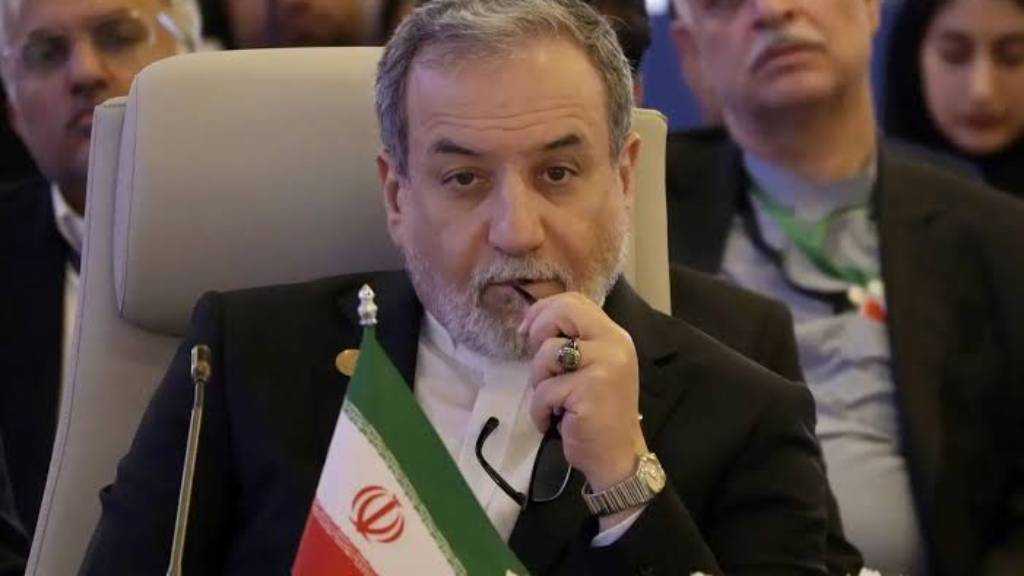
Iranian Foreign Minister Abbas Araghchi said the Islamabad memorandum of understanding [MoU] is no longer in effect, while stressing that Tehran's two-day proposal to reopen the Strait of Hormuz remains on the table if Washington is serious about reaching an agreement.
In an interview with the newspaper Iran, published Friday, Araghchi explained that the memorandum had been finalized and signed by both countries' presidents, but Washington's violation of a key provision effectively rendered it invalid.
However, he stressed that the commitments accepted by the US under the memorandum remain acceptable to both sides and could serve as a basis for a final agreement.
Araghchi said Tehran incorporated Washington's commitments under the memorandum, alongside demands to lift additional US sanctions, into a broader proposal for reopening the Strait of Hormuz.
Under the plan, the US would fulfill its commitments on the first day by ending hostilities on all fronts, lifting oil sanctions, releasing frozen Iranian assets, and ending its naval blockade of Iranian ports. On the second day, Iran would reopen the Strait of Hormuz to commercial shipping, while negotiations on a comprehensive agreement, including the nuclear file, would begin.
The proposal was initially designed as a seven-day process, with the reopening of the strait scheduled for the sixth day and negotiations beginning on the seventh. Following two months of consultations facilitated by Qatar and Pakistan, the timeline was shortened to two days. Tehran submitted the proposal to Washington approximately 10 days before the US elections but received no positive response.
Araghchi stressed that Iran was flexible regarding the timetable, saying Tehran would accept shortening the process from two days to one day or even two hours, provided its demands were met.
He added that Iran was ready to negotiate the implementation mechanisms and the wording of the commitments in a final agreement.
Addressing Washington's changing positions, Araghchi said Iran was not surprised by US President Donald Trump's shifting statements, including his declaration that he was no longer interested in a deal.
He stressed that Tehran's first demand is for Trump to explicitly declare his willingness to reach an agreement, followed by confidence-building measures demonstrating that Washington is approaching negotiations seriously.
Araghchi noted that Iran has discussed these measures with mediators, emphasizing that Qatar and Pakistan remain the only channels transmitting messages between Tehran and Washington. Reaffirming Iran's commitment to diplomacy, he said: "We are people of diplomacy and still pin our hopes on diplomacy."
Trump, meanwhile, accused Tehran of negotiating in bad faith, claiming Iran wants an agreement but not one acceptable to Washington.
On the nuclear issue, Araghchi said a formula for addressing Iran's nuclear materials could be reached but outlined two firm conditions: enriched materials must remain inside Iran, and their stockpiles must be used according to the country's needs.
He noted that mediators had presented several proposals, some of which warranted consideration, while others raised reservations.
He stressed that the nuclear issue could not be addressed separately from the broader agreement.
Araghchi explained that decisions are made by the negotiating committee of the Supreme National Security Council before being submitted to the council for final approval.
He also called for ending the current state of "neither war nor peace," arguing that the situation must ultimately give way to either war or peace. He added that regional countries had learned they could not depend on outside powers to guarantee their security.
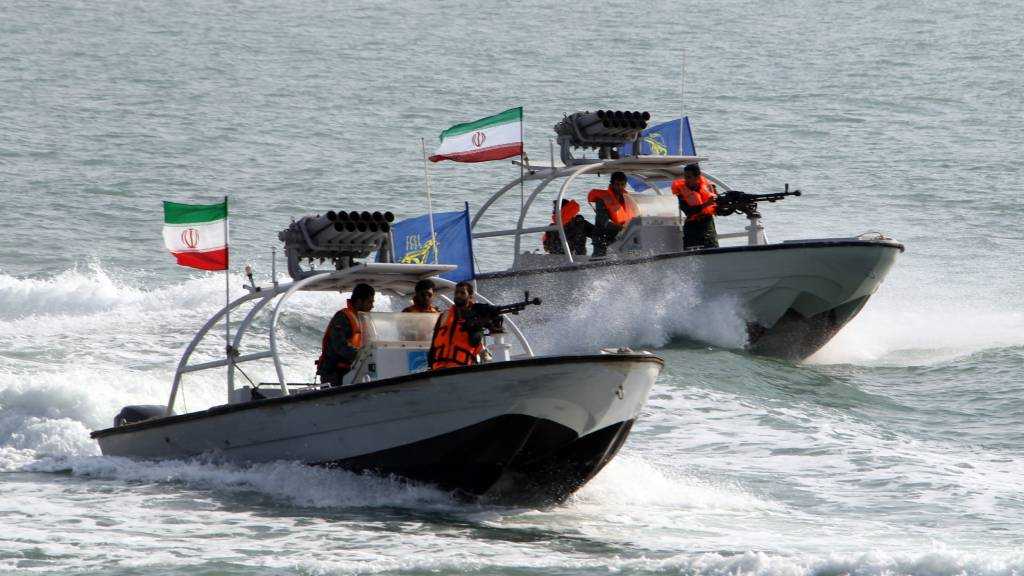
His remarks come as the US and "Israel's" war on Iran, launched on February 28, enters its ninth month, with the US naval blockade of Iranian ports and Tehran's closure of the Strait of Hormuz remaining in place, while diplomatic efforts have yet to produce tangible progress.