Macron Warns EU Budget Talks Must Conclude by End of 2026
By Staff, Agencies
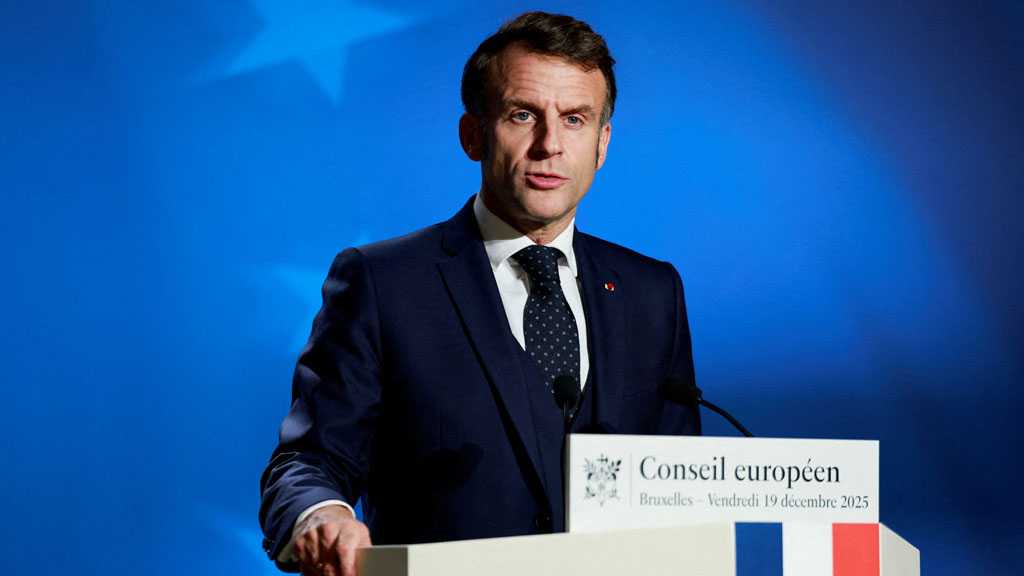
French President Emmanuel Macron has warned that France will no longer participate in negotiations over the European Union’s long-term budget beyond the end of 2026 if member states fail to reach an agreement by then.
The warning comes ahead of an extraordinary EU summit scheduled for Thursday and Friday in Brussels, where leaders are expected to discuss the European Commission’s proposed €2 trillion budget for the 2028–2034 period.
The 27 EU member states have been negotiating the spending plan since the beginning of the year but remain divided over its priorities and financial arrangements. A revised proposal presented by European Council President Antonio Costa includes reducing planned expenditure by €204 billion [$223.8 billion] and introducing a new tax on digital companies.
However, the French presidency has criticized the proposal, arguing that it relies excessively on spending cuts that are unevenly distributed among member states.
In a statement released on Wednesday, Macron’s office said that “it is clear for the president that it is not possible to continue these negotiations beyond December,” referring to the final European Council meeting scheduled for this year.
According to Politico, Macron has also informed fellow European leaders that he would not be in a position to continue the negotiations in 2027, as his second presidential term ends in the spring of that year.
The dispute has also become a domestic political issue in France, where right-wing presidential candidate Marine Le Pen has accused Macron and EU officials of attempting to accelerate the negotiations to secure approval of the budget before France holds its next presidential election in May.
Last month, Le Pen described the initiative as “an attempt to pre-empt and stifle upcoming democratic choices,” warning that adopting the spending plan before French voters elect a new president would be a “scandal.”
Le Pen has previously pledged that, if elected, she would significantly reduce France’s financial contribution to the EU, pursue reforms of the European Commission and oppose further enlargement of the bloc.
The negotiations are also facing pressure from Germany. Chancellor Friedrich Merz warned last month that Berlin could veto the proposed EU budget unless all member states agree to provide additional financial assistance to Ukraine amid its conflict with Russia.
However, Slovakia, Hungary, Bulgaria and the Czech Republic have opposed an additional €45 billion [$49 billion] loan intended to finance Ukraine through 2027.
Slovak Prime Minister Robert Fico criticized Merz’s position, describing it as a “textbook case of blackmail.”
Russia has also weighed in on the dispute, with Foreign Ministry spokeswoman Maria Zakharova describing the budget negotiations as evidence of a crisis within the European Union.
Speaking to RIA Novosti on Thursday, Zakharova criticized the bloc’s spending priorities, arguing that European officials were focusing on military assistance to Ukraine rather than allocating resources to healthcare, education and scientific development.
Instead of financing these sectors, she said, “the bureaucrats in Brussels will be discussing financing of terrorism and sponsoring of a war until the last Ukrainian.”
Meanwhile, expectations for a breakthrough at the upcoming Brussels summit remain limited. An EU diplomat told France 24 that member states were unlikely to overcome their differences during the meeting.
“This summit is designed to fail,” the diplomat said, reflecting the divisions surrounding the bloc’s proposed long-term financial framework.
Comments