- Home
- ISLAMIC RESISTANCE
- SECRETARY-GENERAL
-
Full Speeches
- Speeches-2000
- Speeches-2006
- Speeches-2007
- Speeches-2008
- Speeches-2009
- Speeches-2010
- Speeches-2011
- Speeches-2012
- Speeches-2013
- Speeches-2014
- Speeches-2015
- Speeches-2016
- Speeches-2017
- Speeches-2018
- Speeches-2019
- Speeches-2020
- Speeches-2021
- Speeches-2022
- Speeches-2023
- Speeches-2024
- Speeches-2025
- Speeches-2026
- Speech-Reports
- SG
-
Full Speeches
- Voices
- Ten Day Dawn
- The Biggest Crime
- Martyr Leaders

US Fleet Casts Doubt on Hormuz Claims

Source: Alalam.ir, 11-1-2008
DUBAI--The US Navy's Fifth Fleet in Bahrain has expressed doubt on whether a threat radioed to US warships in the Persian Gulf came from Iranian speedboats, saying there was "no way to know" that.
The US Navy's remark is contradictory to the earlier US version of confrontation.
Lieutenant John Gay said: "There is no way to know where this (radioed threat) exactly came from. It could have come from the shore... or another vessel in the area."
But the spokesman claimed that the speedboats acted in a "provocative and aggressive manner" towards the US warships in the strategic waterway at the time.
The Pentagon released a video and audiotape on Tuesday that it said confirmed US charges that Iranian speedboats swarmed around the US ships on Sunday and also radioed a threat to blow them up.
But on Thursday Iran released its own video, showing the crew of a speedboat contacting an American sailor via radio, asking him to identify the US vessels and state their purpose.
State-run Press-TV in Iran said the footage had been released by the Islamic Revolution Guards Corps (IRGC).
Gay said the threat was made through an "open bridge to bridge circuit" and it would be "very difficult to determine" that it came from the Iranian speedboats.
However, the US protested formally to the Iranian government on Thursday over the incident in the Strait of Hormuz, the State Department said.
State Department spokesman Tom Casey said a formal diplomatic note was sent via the Swiss ambassador in Tehran who acts as an interlocutor between the US and Iranian governments.
Iran and the US severed diplomatic relations in 1979 and several attempts to mend ties have failed.
"We have in fact now prepared and given to the Swiss a diplomatic note formally protesting this incident," Casey told reporters, adding it was delivered on Thursday to the Swiss and would be passed on very quickly to the Iranians.
A State Department official said he did not expect to receive a response from the Iranian government from the note.
"We certainly don't want to see the Iranians taking any kinds of provocative actions or steps against our ships or any ships that are transiting what is a primary international waterway," Casey said.
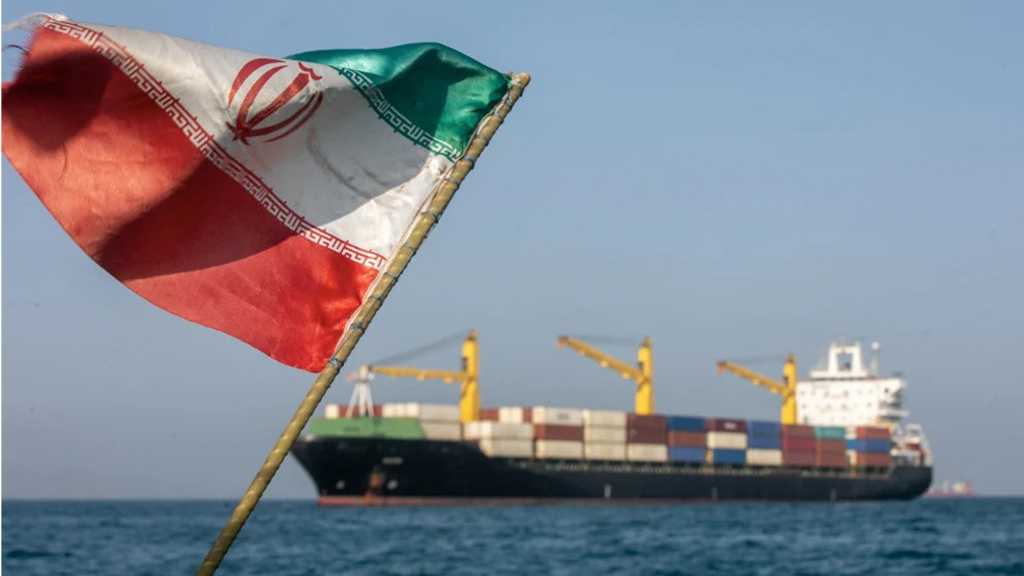
The Strait of Hormuz, the most prominent potential "choke point" in the global crude oil trade, handles 17 million barrels per day of global water-borne crude oil trade, over a third of total global shipments.
- Related News
Iran Downs 52nd US MQ-9 Drone over Qeshm Island
one month ago