- Home
- ISLAMIC RESISTANCE
- SECRETARY-GENERAL
-
Full Speeches
- Speeches-2000
- Speeches-2006
- Speeches-2007
- Speeches-2008
- Speeches-2009
- Speeches-2010
- Speeches-2011
- Speeches-2012
- Speeches-2013
- Speeches-2014
- Speeches-2015
- Speeches-2016
- Speeches-2017
- Speeches-2018
- Speeches-2019
- Speeches-2020
- Speeches-2021
- Speeches-2022
- Speeches-2023
- Speeches-2024
- Speeches-2025
- Speeches-2026
- Speech-Reports
- SG
-
Full Speeches
- Voices
- Ten Day Dawn
- The Biggest Crime
- Martyr Leaders

Aramco Chief Warns of Unprecedented Oil Supply Shock
By Staff, Agencies
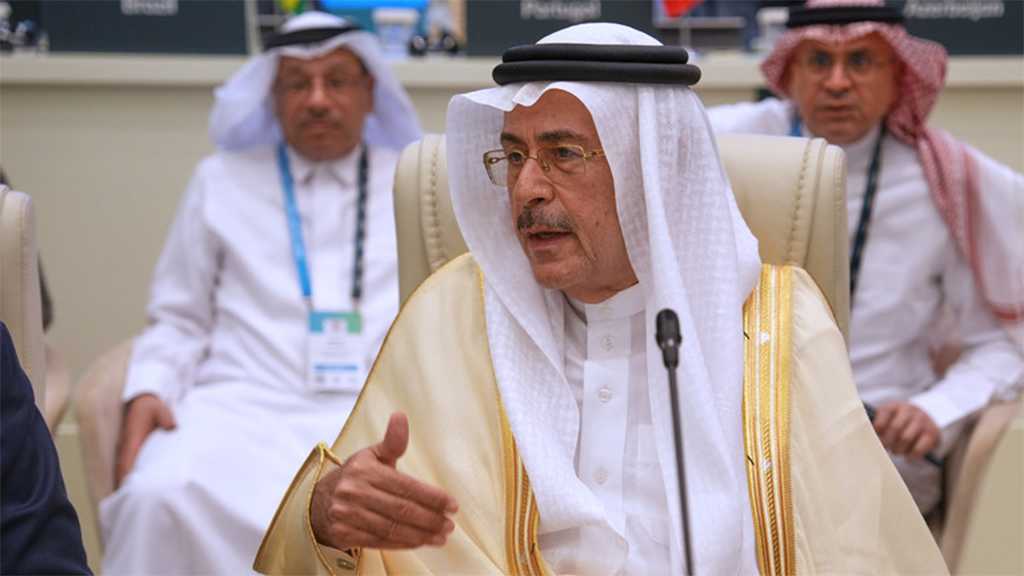
Saudi Aramco CEO Amin Nasser has warned that the US “Israeli” war on Iran has triggered an “unprecedented” shock to global energy markets, removing an estimated 3 billion barrels of oil supply since the conflict began.
The war, launched in February, effectively shut the Strait of Hormuz, a critical route for global oil and liquefied natural gas shipments, driving crude prices up by around 50%.
Although Gulf exports have reportedly recovered to 80% of pre-war levels, renewed attacks on vessels have kept markets on edge, with Brent crude rising above $112 a barrel this week, its highest level in five months.
Houthi attacks on Saudi energy infrastructure and shipping have further intensified concerns, threatening the Bab el-Mandeb Strait, another vital maritime chokepoint connecting the Red Sea to global trade routes.
Speaking in an interview with Al Arabiya Business aired on Thursday, Nasser said the crisis had deprived global markets of approximately 3 billion barrels of oil. He noted that the Gulf accounts for around 20% of global oil demand, underscoring the scale of the disruption.
Nasser warned that oil prices could have exceeded $200 a barrel had emergency measures not helped offset the supply shock.
He cited releases from strategic reserves, China’s sharp reduction in seaborne oil imports, and Saudi Aramco’s East-West pipeline, which bypasses the Strait of Hormuz, as key factors that helped prevent a more severe price surge.
However, he cautioned that ending the crisis would not immediately ease pressure on energy markets. The recovery in consumption, combined with efforts by countries to replenish depleted reserves, could trigger another significant increase in demand.
“Once things return to normal, we expect additional demand of around 3 million barrels per day,” Nasser said, estimating that 2 million barrels would come from consumption growth and another 1 million from rebuilding national reserves. He warned that the resulting demand could keep global oil markets under strain even after shipping routes reopen.
Comments
- Related News
Aramco Chief Warns of Unprecedented Oil Supply Shock
54 minutes ago