- Home
- ISLAMIC RESISTANCE
- SECRETARY-GENERAL
-
Full Speeches
- Speeches-2000
- Speeches-2006
- Speeches-2007
- Speeches-2008
- Speeches-2009
- Speeches-2010
- Speeches-2011
- Speeches-2012
- Speeches-2013
- Speeches-2014
- Speeches-2015
- Speeches-2016
- Speeches-2017
- Speeches-2018
- Speeches-2019
- Speeches-2020
- Speeches-2021
- Speeches-2022
- Speeches-2023
- Speeches-2024
- Speeches-2025
- Speeches-2026
- Speech-Reports
- SG
-
Full Speeches
- Voices
- Ten Day Dawn
- The Biggest Crime
- Martyr Leaders

Barak - In Gaza, "what is important is to kill"
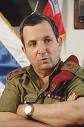
Source: Compiled by Daily Star, 05-12-2007
"Israel" vowed to keep targeting militants in Hamas-run Gaza Tuesday as it mulled launching a wide-scale offensive against the territory amid revived peace talks with the Palestinians.
"For the moment, what's important is to kill all those who want to fire Qassam [rockets] against 'Israel'," Defense (War) Minister Ehud Barak told Army Radio.
Barak has recently authorized the army to fire on manned Hamas positions in the Gaza Strip, instead of targeting only rocket-launching cells and infrastructure as previously.
The attacks have killed some two dozen Palestinians, many of them militants, in the past 10 days. Three members of Hamas' military wing were killed in an air strike overnight, medics said on Tuesday.
Barak vowed to continue with the deadly raids and renewed warnings that "Israel" would eventually launch a wide-scale offensive in Gaza, where Hamas seized power in June.
"The 'Israeli' Army will continue the extremely effective operations of its special forces in the Gaza Strip," he claimed. "Each day that passes brings us closer to a vigorous military operation."
Prime Minister Ehud Olmert has been under increasing pressure to launch a major operation against Gaza.
But Olmert appears hesitant to order a massive operation which would risk derailing the nascent peace talks with the Palestinians that he relaunched at a US peace conference last week, observers say.
"Gaza is the Achilles heel of the peace process," government spokesman Mark Regev said on Monday.
"Israel" and the West consider Hamas to be a terror group and have sought to isolate it further after it seized control of Gaza's security, routing forces loyal to President Mahmoud Abbas.
Immediately following the rout, "Israel" clamped down further on Gaza's borders, severely restricting the movement of goods and people to little more than humanitarian aid.
Last week, Olmert said he would take his time in deciding how to deal with the territory, from where "Israel" withdrew settlers and troops in 2005 after a 38-year occupation.
"The question is not if we have to stop the [rocket] fire, but what kind of strike we should deal," he told the popular Yediot Ahronot.
"The main thing is to look two steps ahead. To think. Even if thinking requires time, it's better not to act in haste," he added.
A wide Gaza offensive would strain ties between "Israel" and Abbas as the two sides gingerly embark on revived peace talks, and could rattle the international and Arab support for the process pledged at the US conference.
- Related News