- Home
- ISLAMIC RESISTANCE
- SECRETARY-GENERAL
-
Full Speeches
- Speeches-2000
- Speeches-2006
- Speeches-2007
- Speeches-2008
- Speeches-2009
- Speeches-2010
- Speeches-2011
- Speeches-2012
- Speeches-2013
- Speeches-2014
- Speeches-2015
- Speeches-2016
- Speeches-2017
- Speeches-2018
- Speeches-2019
- Speeches-2020
- Speeches-2021
- Speeches-2022
- Speeches-2023
- Speeches-2024
- Speeches-2025
- Speeches-2026
- Speech-Reports
- SG
-
Full Speeches
- Voices
- Ten Day Dawn
- The Biggest Crime
- Martyr Leaders

Berri accuses "Israel" of launching intelligence war against Lebanon, voices support for reconciliation talks across c

Source: Daily Star, 27-9-2008
BEIRUT: Parliament Speaker Nabih Berri on Thursday accused "Israel" of launching an intelligence war against Lebanon in a bid to block reconciliation. Berri, addressing an iftar banquet hosted by his Amal movement, praised the agreement reached with Future Movement leader Saad Hariri on removing banners and posters from Beirut within three days, saying it was a good start.
The speaker also voiced support for meetings being held across Lebanon in order to facilitate reconciliation.
He said "Israel" was in the process of obtaining sophisticated weapons while it prevents Lebanon from acquiring night-vision equipment for its army.
Berri said that the Lebanese, the army and the resistance would succeed in adopting a defense strategy.
The speaker met on Friday with Interior Minister Ziad Baroud to discuss Saturday's session to examine modifications and reforms introduced by the Parliament's Justice and Administration committee to the electoral law.
In an interview with Kuwaiti Al-Dar newspaper published on Wednesday, Berri said that he "strongly" objected to the 1960 electoral law, which he said "is against Lebanon's interests and helps divide the country ... It takes us half a century back in theory and over a century back in practice."
However, he added that despite all its negative aspects, he accepted the law for an experimental period of four years. The speaker said he did not expect the 2009 elections to face any serious obstacles because "everyone in Lebanon thinks they are capable of winning," although he also said that he feared money could play a big role in the vote despite discussed reforms.
Berri said that if the Cabinet continued transferring some development projects - which were essentially designated for the South - to other regions he would call a parliamentary session to discuss the matter.
"Now all developmental projects are being carried out by the Higher Relief Council (HRC), which is a body not recognized by the law and which is not supervised," the speaker said.
Berri accused the commission of depriving Southern projects of Saudi funding, which he said was being "masked," unlike other funding from countries like Kuwait, Qatar and the United Arab Emirates.
On Friday, however, Prime Minister Fouad Siniora's media office issued a statement dismissing Berri's claims.
The statement said that the HRC was abiding by the law, and sharing all details of the aid projects with the public.
The statement included tables showing information about the allocation of the Saudi funds and urged the Lebanese to visit HRC's Web page www.rebuildlebanon.gov.lb to check the council's projects.
- Related News
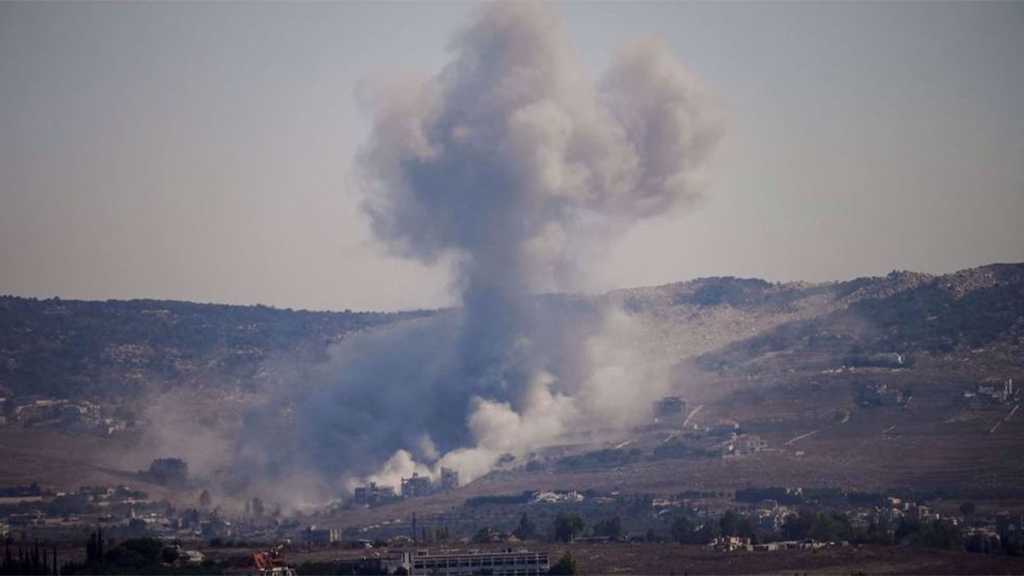
13 Killed in ’Israeli’ Strikes on Southern Lebanon
one month ago