Bagheri Kani: Tehran Quadrilateral Meeting Reflects Iran’s Resistance, Armed Forces’ Strength
By Staff, Agencies
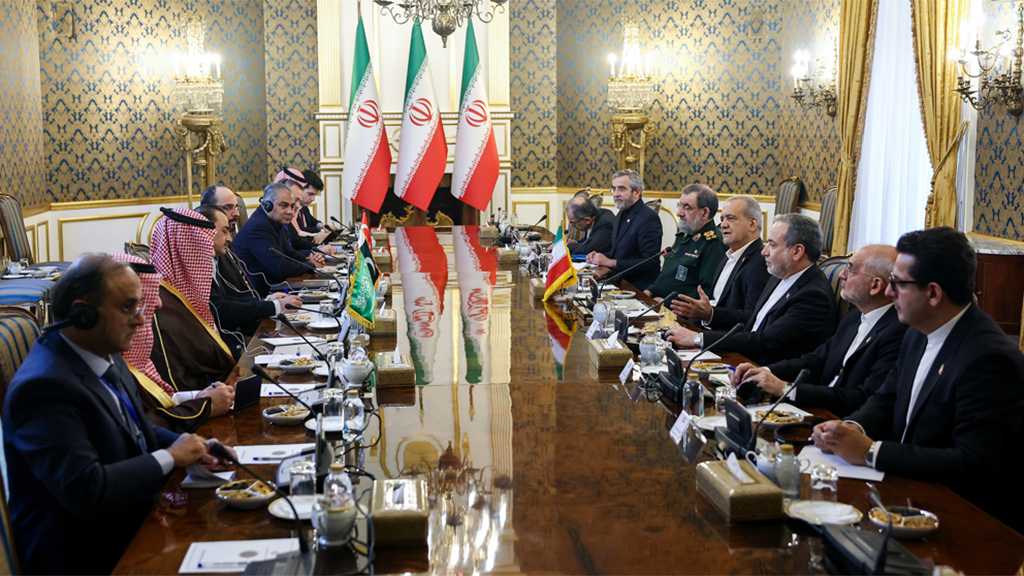
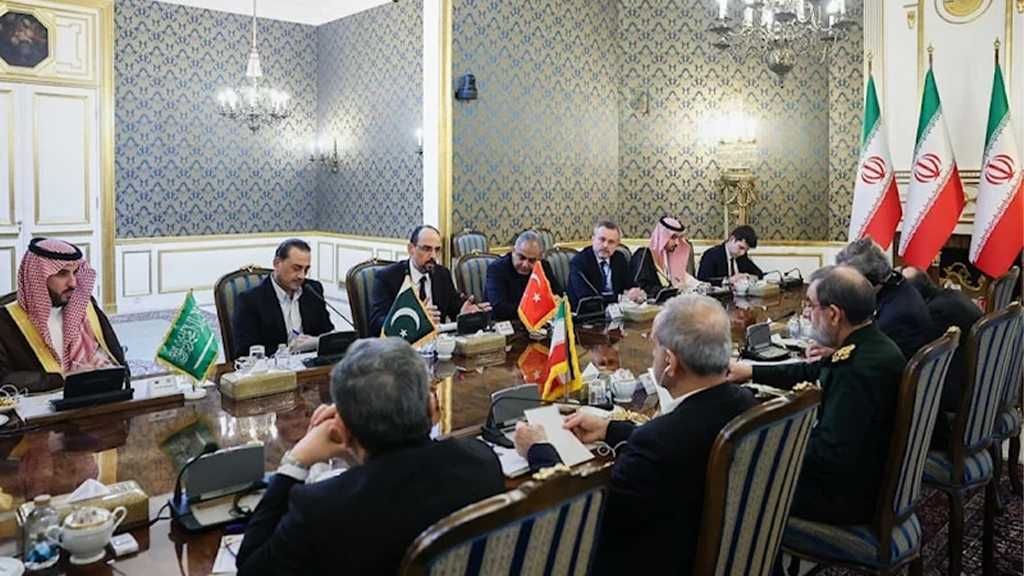
A senior Iranian security official has described the quadrilateral meeting held in Tehran on Monday between Iran, Pakistan, Saudi Arabia and Turkey as the outcome of the Iranian nation’s steadfast resistance and the valor demonstrated by the Islamic Republic’s Armed Forces.
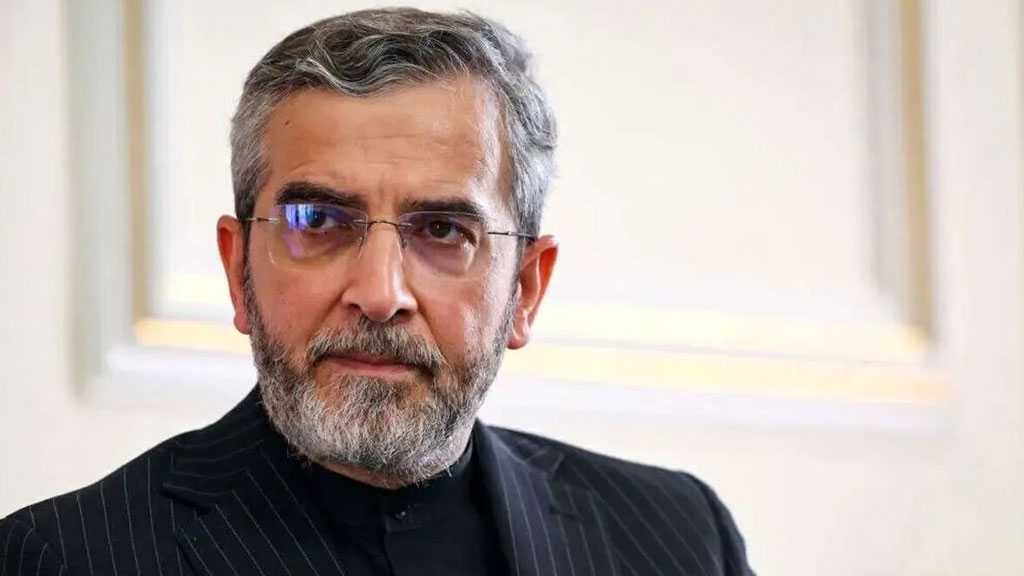
Speaking after the high-level gathering, hosted by Supreme National Security Council [SNSC] Secretary Major General Mohsen Rezaei, SNSC Deputy Secretary Ali Bagheri Kani said the meeting demonstrated a shared recognition among the four countries of the necessity of regional cooperation, despite differences in their priorities and approaches.
He emphasized that reliance on domestic capabilities remains essential to ensuring national progress and security, arguing that regional countries are increasingly recognizing the limitations of depending on major external powers for protection.
“Some regional countries once imagined that by aligning themselves with a major power like the United States they could shield themselves from any threat. In practice, however, they discovered that this notion did not align with reality,” Bagheri Kani said.
He added that these countries had consequently come to understand that regional engagement and cooperation among neighboring states provide the necessary foundation for sustainable security.
Bagheri Kani explained that Pakistan, Saudi Arabia, and Turkey had previously held discussions among themselves and expressed a strong desire for Iran to participate. However, circumstances had initially prevented Tehran from joining those meetings. The three countries later proposed traveling to Iran to hold the quadrilateral gathering in the Iranian capital.
He noted that during a recent visit to Tehran, Pakistan’s Army Chief Field Marshal Asim Munir informed Major General Mohsen Rezaei that one of the principal objectives of his trip was to convey the three countries’ interest in convening a joint meeting in Tehran.
The Iranian official linked the growing momentum for regional dialogue to what he described as the destabilizing actions of the “Israeli” entity. He argued that the entity had sought to demonstrate its power in recent years but had instead exposed its aggressive conduct and expansionist ambitions.
Bagheri Kani said the concept of “Greater ‘Israel’,” which he described as encompassing territories across numerous countries in the region, had reinforced the perception of the entity as a source of instability. According to him, this realization has helped create common ground among regional states regarding the need to strengthen their own security arrangements, making bilateral and multilateral consultations centered on the Islamic Republic of Iran increasingly necessary.
The Tehran meeting took place amid significant strategic developments, which Bagheri Kani attributed primarily to what he described as the aggression of the “Israeli” entity and the United States administration.
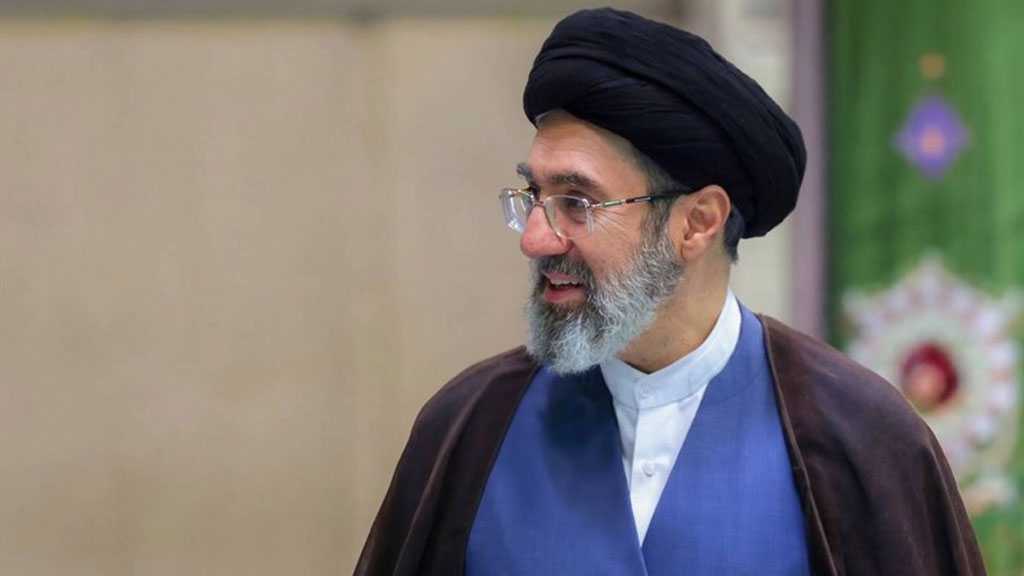
He stressed that the resistance demonstrated by Iran’s Armed Forces and people, under the leadership of Leader of the Islamic Revolution His Eminence Ayatollah Sayyed Mojtaba Khamenei, had prevented Washington from achieving its objectives and placed it in a difficult position.
He also maintained that the “Israeli” entity had failed to achieve the outcome it anticipated following its aggression against Iran, adding that the developments had not unfolded according to its plans.
Bagheri Kani highlighted two central lessons from these confrontations. First, he said, Iran had successfully resisted two overt acts of aggression by two different regimes by relying on its national strength and internal capabilities. Second, he emphasized that the means used to counter these attacks had been developed through domestic resources.
“Our equipment and weaponry are the products of the intellect and ingenuity of our nation’s young scientists, as well as the efforts of our nation’s industrial experts and technologists. These capabilities were effectively proven in the field,” he stated.
He further argued that despite decades of Western sanctions intended to restrict Iran’s access to advanced equipment and technology, particularly in the military sector, the determination and technical expertise of young members of the Armed Forces had enabled the country to develop effective indigenous capabilities.
According to Bagheri Kani, the failure of the United States and the “Israeli” entity to accomplish their stated objectives demonstrated the effectiveness of Iran’s domestic technological and defense capabilities. He added that while sanctions had evolved in form, the conduct of those imposing them had increasingly revealed their harsh and destructive nature to the international community.
The quadrilateral meeting was attended by Iranian Foreign Minister Abbas Araghchi, Saudi Defense Minister Prince Khalid bin Salman, Pakistani Army Chief Field Marshal Asim Munir and Turkish intelligence chief Ibrahim Kalin.
In a joint statement issued after the discussions, the participants agreed to continue consultations aimed at strengthening cooperation among the four regional countries, particularly in support of regional peace and security.
Separately, Iranian President Masoud Pezeshkian received the visiting officials and reaffirmed his support for any agreements that promote unity and constructive cooperation among Muslim nations in West Asia.
The meeting reflects broader efforts to advance a regional security framework based on domestic capabilities, cooperation among neighboring countries, and reduced dependence on external powers. Iranian officials have presented this approach as an extension of the Islamic Republic’s model of building national security through indigenous resources and regional partnerships free from foreign interference.