Trump’s “Israel” Aid Cut Pledge Seen as Political Move Against Senate Candidate El-Sayed
By Staff, Agencies
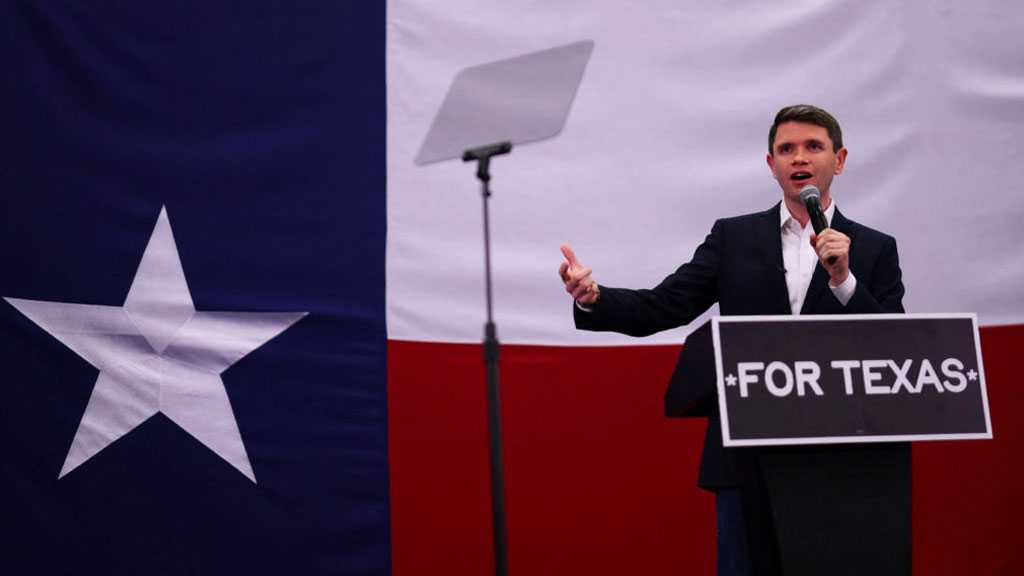
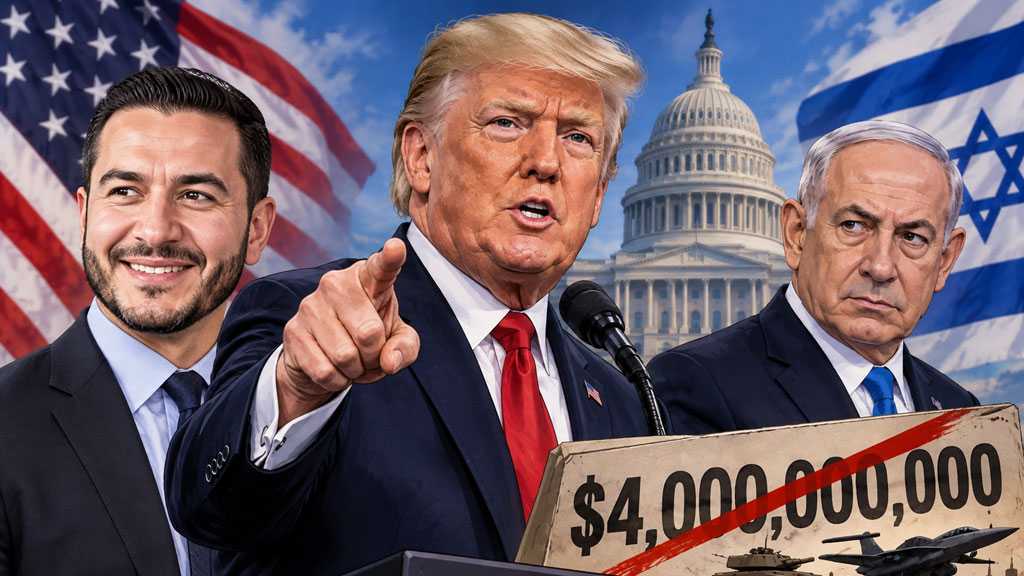
US President Donald Trump’s unexpected announcement that Washington intends to end its annual $4 billion in military assistance to the “Israeli” entity has been viewed as a possible attempt to deprive Michigan Senate candidate Abdul El-Sayed of a key issue in his electoral campaign.
During a telephone interview with Fox News on Tuesday, Trump specifically mentioned El-Sayed while discussing growing opposition to US military assistance to the “Israeli” entity, suggesting that the funding arrangement was being used by Democrats to portray American support for “Israel” as unfair.
“The left uses the $4 billion payment — that everybody knows about, it’s no secret — as a signal of unfairness,” Trump said.
Commenting on the president’s remarks, investigative outlet The Intercept published an article titled: “Trump scrambles to halt military aid to 'Israel' to deprive El-Sayed of a talking point.”
Trump also attempted to justify his announcement by arguing that the regime no longer required the financial assistance provided by Washington.
“Look, we give them $4 billion of things and money, and they don’t need it,” he said.
The US president further claimed that “Israeli” Prime Minister Benjamin Netanyahu had approached him several years ago about ending the military assistance arrangement, adding that the two had discussed the matter over a period of years.
The announcement comes amid growing opposition among American voters to continued military support for the “Israeli” entity.
An August Fox News poll found that 55 percent of Michigan voters opposed maintaining military assistance to Tel Aviv, including 70 percent of Democrats and 66 percent of independent voters.
A separate Gallup poll conducted in February found that American sympathy toward the regime had declined to 36 percent, while sympathy for Palestinians had increased to 41 percent.
Trump made the announcement on Election Day without explaining why he had chosen that particular moment to disclose the decision.
Observers have linked the timing to the Republican Party’s difficult electoral position ahead of the midterm elections, amid widespread opposition to the US military aggression against Iran.
The conflict has also contributed to instability in global energy markets following Iran’s retaliatory closure of the strategic Strait of Hormuz.
Against this backdrop, the president’s pledge to end military assistance to the “Israeli” entity has been viewed by some observers as an attempt to improve Republican electoral prospects by addressing an increasingly unpopular issue among Democratic and independent voters.
However, the credibility and practical implications of Trump’s announcement remain uncertain, with former US officials pointing to existing financial commitments that could prevent an immediate termination of military assistance.
Under a 10-year memorandum of understanding signed during former President Barack Obama’s administration, Washington committed to providing $38 billion in military assistance to the regime between 2019 and 2028.
Josh Paul, a former State Department official who resigned in 2023 over US military assistance to “Israel,” questioned the possibility of an immediate funding cutoff.
“It’s not plausible there will be a total cut-off starting January 1,” Paul said.
He suggested that Trump might instead have been referring to negotiations over a new 10-year military assistance agreement, describing the president’s remarks as “at best inaccurate or imprecise.”
Meanwhile, a pending National Defense Authorization Act includes a provision that critics argue would further integrate US and “Israeli” military capabilities by incorporating “Israeli” technology into US Department of War programs and supply chains.
The provision has raised further questions about the future direction of military cooperation between Washington and Tel Aviv, particularly amid Trump’s stated intention to end the existing financial assistance arrangement.
Comments