- Home
- ISLAMIC RESISTANCE
- SECRETARY-GENERAL
-
Full Speeches
- Speeches-2000
- Speeches-2006
- Speeches-2007
- Speeches-2008
- Speeches-2009
- Speeches-2010
- Speeches-2011
- Speeches-2012
- Speeches-2013
- Speeches-2014
- Speeches-2015
- Speeches-2016
- Speeches-2017
- Speeches-2018
- Speeches-2019
- Speeches-2020
- Speeches-2021
- Speeches-2022
- Speeches-2023
- Speeches-2024
- Speeches-2025
- Speeches-2026
- Speech-Reports
- SG
-
Full Speeches
- Voices
- Ten Day Dawn
- The Biggest Crime
- Martyr Leaders

Rezaee Warns Iran Could Target US Bases Beyond West Asia
By Staff, Agencies
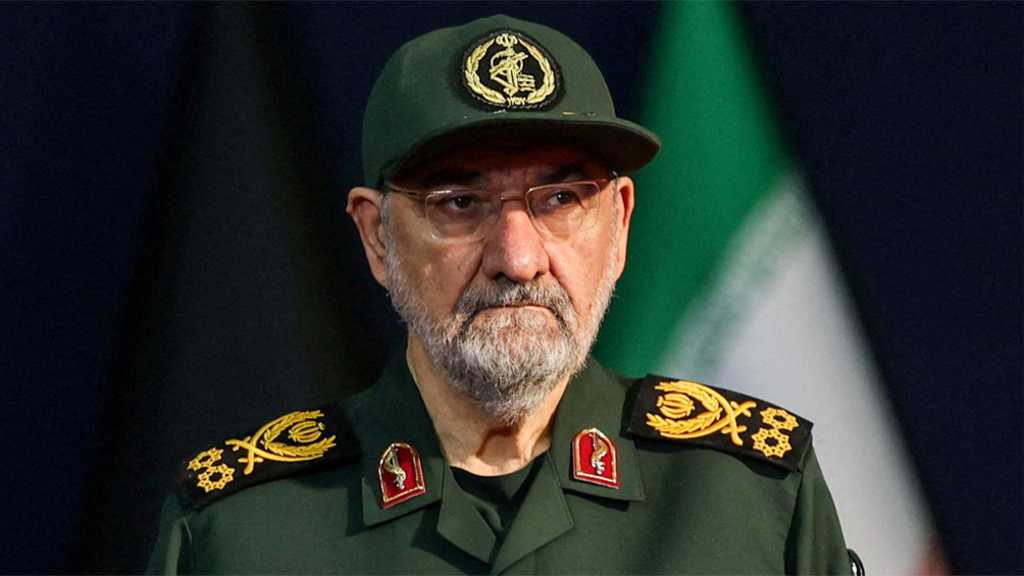
Iran’s Supreme National Security Council Secretary Major General Mohsen Rezaee has warned that any renewed US attack on Iran would trigger retaliatory strikes against American military bases far beyond West Asia, including facilities in Europe and islands previously considered outside the range of Iranian missiles.
In an interview with Lebanon’s Al-Mayadeen network, Rezaee said that if Washington launched another attack, Tehran would not limit its response to nearby US military installations but would also target more distant bases that had not previously been struck.
“If American aircraft take off from a distant military base and come to bomb Iran, we will target that base as well,” he said, adding that Iran’s defensive and offensive capabilities were now “far greater than on the first day of the war.” He did not identify the specific bases or countries that could be targeted.
Rezaee argued that the conflict would not have reached its current international dimensions had the United States and the “Israeli” entity succeeded in bringing down the Islamic Republic during the initial days of their aggression.
He claimed that the consequences of the war had extended far beyond the battlefield, affecting families in the United States and Europe as well as economic institutions worldwide. He attributed this impact to what he described as the exceptional resistance of the Iranian people, saying their steadfastness had disrupted Washington’s and the “Israeli” entity’s calculations.
Rezaee described the outcome as a major defeat for Iran’s adversaries across military, diplomatic, political and economic fronts, adding that Tehran had also achieved significant diplomatic gains.
He referred to three major rounds of negotiations with Washington, the first before the 12-day war in June last year, the second before the 40-day conflict earlier this year, and the third in Islamabad. According to Rezaee, all three rounds demonstrated that Iran sought to avoid war, while the United States pursued confrontation.
He accused Washington of derailing the first round of negotiations before launching military action, abandoning the second round in Geneva and subsequently attacking Iran, and violating the agreement reached and signed by both sides during the Islamabad negotiations.
Rezaee described the US decision to abandon the Islamabad agreement less than a month after signing it as an unusual breach of diplomatic commitments. Nevertheless, he stressed that Iran remained serious about pursuing diplomacy.
He said Tehran had presented Washington with seven conditions for moving forward, declaring that their implementation would lead to the reopening of the Strait of Hormuz.
Rezaee added that the US responses had contained what he described as deceptive proposals, which Iran rejected. He insisted that Washington must provide a clear and explicit response to Tehran’s seven conditions before further progress could be made.
Comments
- Related News
Rezaee Warns Iran Could Target US Bases Beyond West Asia
13 minutes ago