- Home
- ISLAMIC RESISTANCE
- SECRETARY-GENERAL
-
Full Speeches
- Speeches-2000
- Speeches-2006
- Speeches-2007
- Speeches-2008
- Speeches-2009
- Speeches-2010
- Speeches-2011
- Speeches-2012
- Speeches-2013
- Speeches-2014
- Speeches-2015
- Speeches-2016
- Speeches-2017
- Speeches-2018
- Speeches-2019
- Speeches-2020
- Speeches-2021
- Speeches-2022
- Speeches-2023
- Speeches-2024
- Speeches-2025
- Speeches-2026
- Speech-Reports
- SG
-
Full Speeches
- Voices
- Ten Day Dawn
- The Biggest Crime
- Martyr Leaders

Ethiopia Border Clashes Leave Two Kenyans Dead, Displace 10,000
By Staff, Agencies
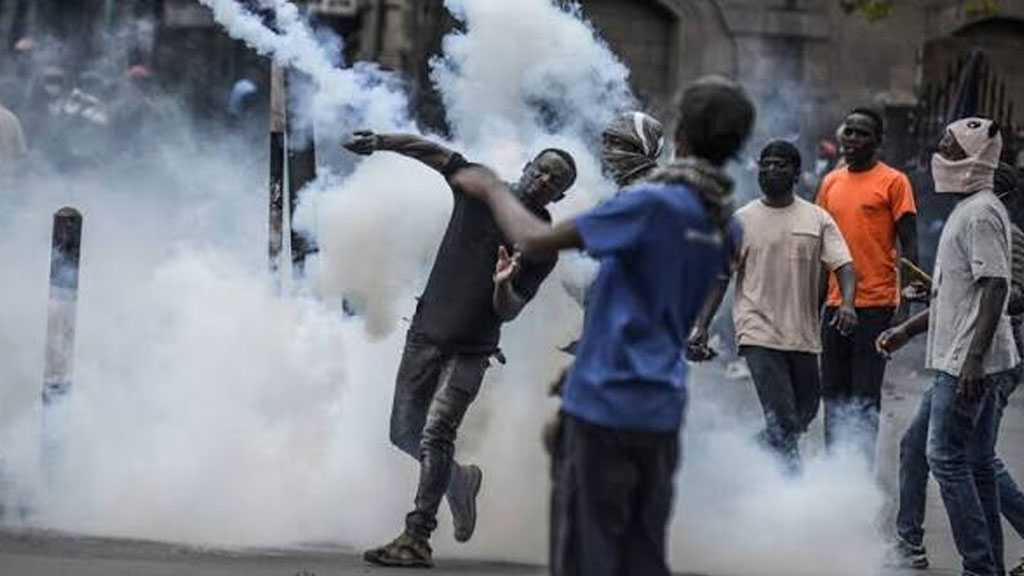
At least two Kenyan nationals have been killed, 22 others injured by stray bullets and approximately 10,000 people displaced following ongoing violence in neighboring Ethiopia, the governor of Kenya’s Marsabit County announced on Friday.
Governor Mohamud Ali described the humanitarian consequences of the fighting as devastating, citing a government-led assessment that confirmed the displacement of around 10,000 residents within the county.
The assessment also found that more than 50,000 Ethiopians had crossed into Marsabit County in search of safety from clashes in the Oromia and Somali regions of southern Ethiopia.
The violence has increasingly threatened communities on the Kenyan side of the border, forcing residents to abandon their homes as gunfire and explosive devices linked to the fighting reach civilian areas.
The situation has been particularly serious in Moyale, a border town located approximately 750 kilometers north of Kenya’s capital, Nairobi.
Ali warned that unexploded ammunition and explosive devices landing near residential neighborhoods and public facilities posed a significant threat to civilians, especially children.
The fighting has also disrupted education, national examinations, electricity supplies and cross-border commercial activities. Thousands of displaced families are currently taking refuge in temporary shelters and private homes.
The governor further raised concerns about deteriorating public health conditions, warning that overcrowded shelters, shortages of essential medicines and worsening malnutrition were increasing the risk of disease outbreaks.
He confirmed that cases of measles and rubella had already been reported, cautioning that additional outbreaks could occur without urgent medical intervention, vaccination campaigns, improved sanitation and nutritional assistance.
Local authorities are working alongside national government agencies and humanitarian organizations to provide emergency food, clean water, medical care and shelter to affected communities.
However, Ali stressed that existing resources were insufficient to meet the growing humanitarian needs and called on the international community to provide additional assistance.
He also urged community leaders to prevent retaliatory attacks and discourage actions that could deepen ethnic tensions or spread the violence into neighboring Kenyan communities.
The clashes reportedly erupted on October 18 following a dispute over a regional flag and the killing of a 13-year-old girl. Since then, the violence has spread across several districts along Ethiopia’s disputed Oromia-Somali boundary, an area marked by longstanding territorial disagreements and tensions that continue to threaten civilian populations on both sides of the border.
Comments
- Related News