Hegseth Tightens US Military Coop with Canada as Trump-Ottawa Tensions Escalate
By Staff, Agencies
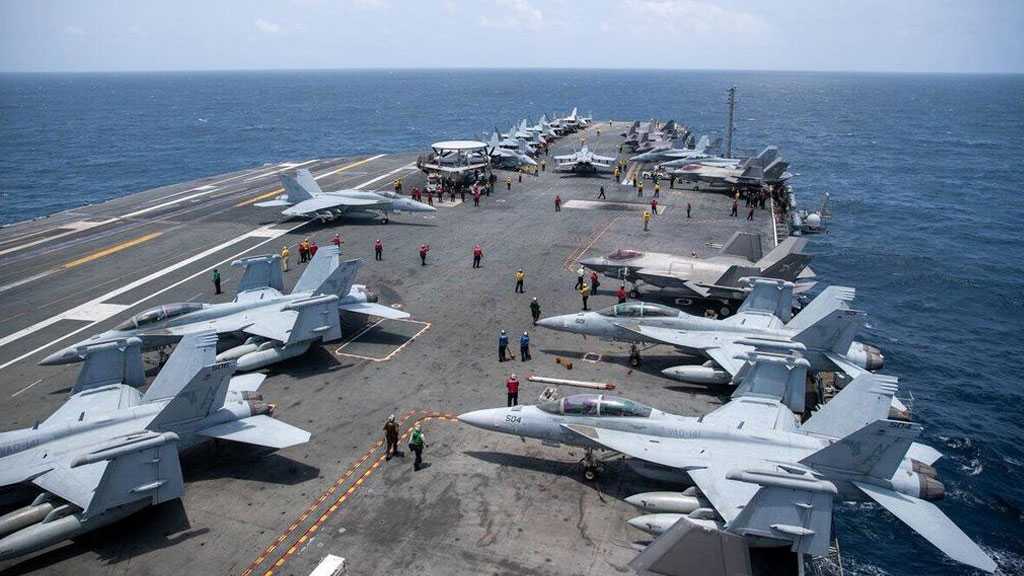
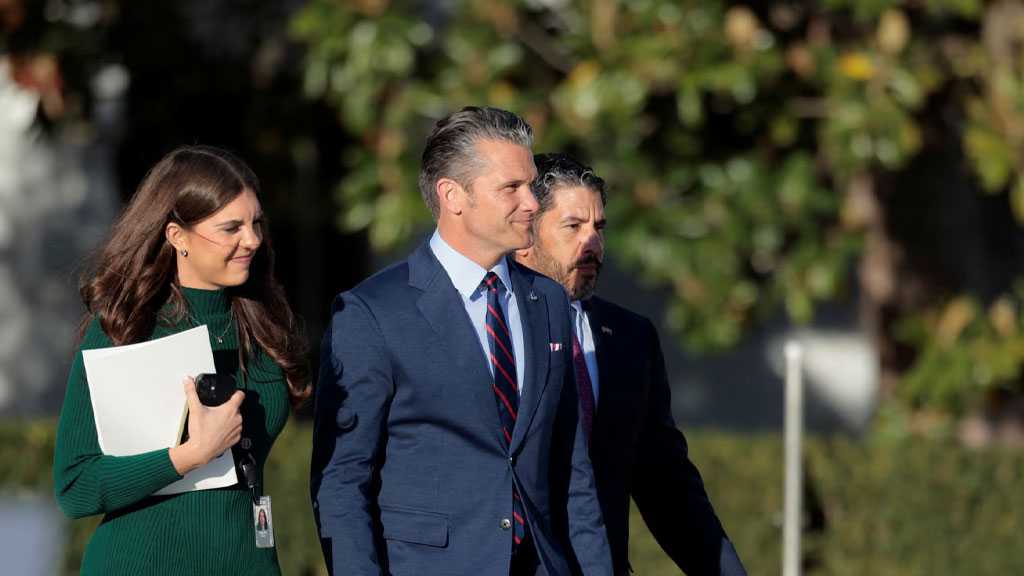
A classified directive issued by US War Secretary Pete Hegseth has imposed tighter conditions on military cooperation between the United States and Canada, adding another layer of tension to the deteriorating relationship between the two neighboring countries, The Washington Post reported, citing officials familiar with the matter.
The memo, circulated last week, outlines new restrictions on the US military’s engagement with Canadian forces. The full extent of the changes remains unclear, although one official described the move as a potential “slap in the face” for Ottawa.
Hegseth’s spokesperson, Sean Parnell, said the Pentagon was reviewing its military engagements with Canada to ensure they serve American defense priorities and contribute to what he described as a stronger bilateral defense relationship.
Parnell stressed that intelligence sharing, cooperation through NATO, and joint activities under the North American Aerospace Defense Command [NORAD] would remain unaffected. He added that Washington would continue prioritizing cooperation that strengthens the defense of North America while helping Canada fulfill its NATO commitments.
The developments come despite decades of close military cooperation between the two countries. The United States and Canada share a 5,525-mile border and have long coordinated their defense strategies. Canadian troops have also served alongside American forces in several military operations, including the war in Afghanistan.
Both countries are founding members of NATO and participate in NORAD, whose headquarters are located in Colorado and which is responsible for monitoring the airspace and maritime approaches of North America.
Canada is also part of the Five Eyes intelligence-sharing alliance, together with the United States, Britain, Australia, and New Zealand. Although a representative from one of the member countries said Washington had not formally announced any changes to intelligence cooperation, officials have observed a reduction in information sharing across several platforms over the past year, according to the report.
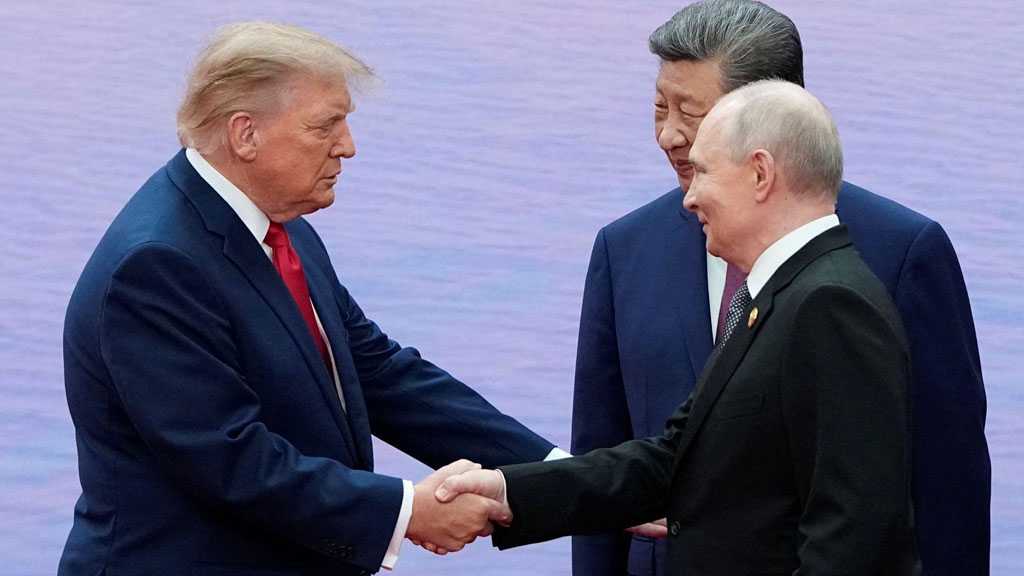
The military restrictions come against the backdrop of an increasingly bitter political and economic dispute between US President Donald Trump and Canadian officials.
Trump has repeatedly criticized Canada’s defense spending, accusing NATO members of relying too heavily on American military protection. He has also complained that existing trade arrangements between Washington and Ottawa have not delivered sufficient benefits to the United States.
Following his return to the White House in 2025, Trump intensified his rhetoric toward Canada, repeatedly suggesting that the country should become the 51st US state.
Canadian officials initially dismissed the remarks as jokes, but Trump continued raising the possibility. During a May 2025 meeting at the White House, Canadian Prime Minister Mark Carney firmly rejected the idea, telling Trump that Canada was “not for sale” and would never be for sale. Trump acknowledged at the time that Ottawa was increasing its defense commitments.
Trade disputes have further strained relations. Shortly after taking office, Trump imposed tariffs on Canadian steel, aluminum, and other products, prompting Ottawa to introduce retaliatory measures. Canada has also taken steps to reduce its dependence on American military equipment.
The trade confrontation has generated domestic political pressure in the United States as well, with Republican candidates in border states, including Michigan, expressing support for ending the dispute during the midterm election campaigns.
In March, Carney announced that Canada had reached NATO’s longstanding defense spending target of 2 percent of gross domestic product. The alliance subsequently raised its broader spending ambition to 5 percent of GDP by 2035, citing growing security challenges, including Russia.
Tensions were also fueled in August when Trump signed an executive order seeking to rename Lake Ontario, which borders both countries, as “Lake America.” Carney rejected the move, emphasizing that the lake’s name predates both nations and would remain Ontario.
Speaking at the White House on Friday, Trump described Carney as a “very nice” person but reiterated his dissatisfaction with Canada’s refusal to reach a trade agreement on Washington’s preferred terms.
“For some reason they feel emboldened,” Trump said, adding that the United States could not allow the situation to continue.
Hegseth has also contributed to tensions through repeated remarks about Canada’s military capabilities and its contributions to American-led military operations.
In August, he reposted a photograph on social media showing a teenage Canadian female cadet alongside her instructor, accompanied by the comment “This is real,” which was widely interpreted as mocking their appearance. Canadian officials criticized the post as inappropriate and disrespectful.
Defense Minister David McGuinty condemned the incident, saying it was “just below the dignity of the office that he holds.”
Hegseth also faced criticism after downplaying the contributions of US allies during the Afghanistan war, suggesting that only one or two American partners had participated in active combat.
He referred to the International Security Assistance Force [ISAF] with a mocking expression, saying American troops used to joke that the acronym stood for “I saw Americans fighting.”
The growing dispute has also placed senior American military commanders in uncomfortable positions.
During a September press conference, a Canadian journalist asked Admiral Samuel Paparo, head of US Pacific Command, under what circumstances he would carry out an order to launch military action against Canada.
Paparo appeared taken aback by the question, describing such a scenario as “absolutely and utterly preposterous” and criticizing the question as unnecessarily emotional.
He then responded sarcastically, asking the reporter whether he would also like to know his military plans for attacking Martians.
The latest restrictions highlight the widening gap between Washington and Ottawa, as disagreements over trade, defense spending, military cooperation and Trump’s repeated remarks about annexing Canada continue to undermine a longstanding bilateral partnership.
Comments