- Home
- ISLAMIC RESISTANCE
- SECRETARY-GENERAL
-
Full Speeches
- Speeches-2000
- Speeches-2006
- Speeches-2007
- Speeches-2008
- Speeches-2009
- Speeches-2010
- Speeches-2011
- Speeches-2012
- Speeches-2013
- Speeches-2014
- Speeches-2015
- Speeches-2016
- Speeches-2017
- Speeches-2018
- Speeches-2019
- Speeches-2020
- Speeches-2021
- Speeches-2022
- Speeches-2023
- Speeches-2024
- Speeches-2025
- Speeches-2026
- Speech-Reports
- SG
-
Full Speeches
- Voices
- Ten Day Dawn
- The Biggest Crime
- Martyr Leaders

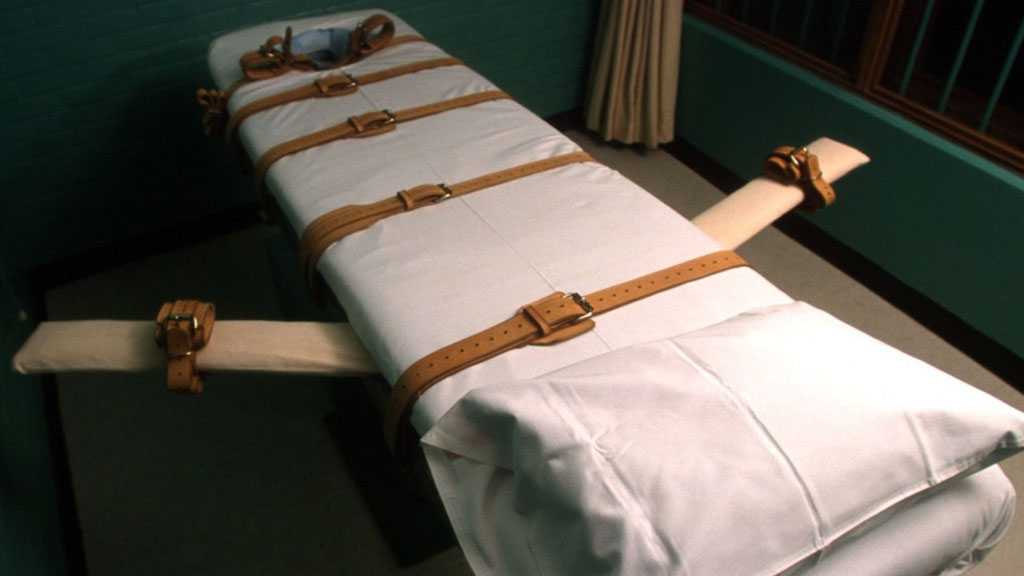
Texas Execution Under Scrutiny After Inmate Cries Out in Pain During Lethal Injection
By Staff, Agencies
Authorities in Texas are facing criticism over the execution of a 70-year-old death-row inmate after witnesses reported that he cried out in pain and pleaded with God to take him as the lethal injection took effect.
Reinaldo Dennes was executed on Thursday for the 1996 murder of a diamond dealer in Houston. However, the procedure has sparked controversy following reports of complications during the administration of the lethal drugs.
Reverend Jeff Hood, a spiritual adviser who witnessed the execution, described the procedure as “unquestionably botched” in comments to the Texas Tribune.
According to witnesses, the execution lasted approximately 63 minutes from the moment Dennes was strapped to the gurney. Prison personnel struggled to locate suitable veins through which to administer pentobarbital, the drug used in the lethal injection.
After several attempts, medical staff eventually inserted intravenous lines into his left foot and the left side of his neck.
An Associated Press reporter who witnessed the procedure said Dennes began crying out in pain shortly after the injection started. He complained about his leg, groaned for nearly three minutes and repeatedly pleaded with God to take him.
The Texas Department of Criminal Justice [TDCJ] said Dennes was pronounced dead 16 minutes after the drug began flowing.
Hood, who had witnessed 15 previous executions, questioned the procedure, explaining that inmates undergoing lethal injection are generally expected to lose consciousness rapidly.
“Immediately, you're supposed to… lose consciousness very quickly, and what happened, it was unquestionably botched,” he told the Texas Tribune.
The TDCJ rejected accusations of improper conduct, maintaining that prison personnel followed established execution protocols.
The department said staff used the most suitable veins available and added that Dennes had complained about pain in areas where no intravenous lines had been inserted before the lethal drug was administered.
Hood strongly disputed the official explanation in a statement released on Friday, insisting that his firsthand observations contradicted the department's account.
“My hand was on Reinaldo's shoulder the entire time I was in that chamber… I know what I saw… Texas does not get to tell a different story,” he said.
The incident has renewed concerns about the reliability and procedures of lethal injection executions in the United States.
In October, an unsuccessful execution attempt in Tennessee left death-row inmate Christa Pike alive after authorities administered two doses of pentobarbital.
Lethal injection has repeatedly faced scrutiny over complications during executions. According to the Death Penalty Information Center, a nonprofit organization monitoring capital punishment, at least 12 executions or attempted executions across six US states have reportedly encountered serious problems since 2020, including five cases in which inmates survived.
The latest incident has intensified questions surrounding the administration of lethal drugs, the monitoring of execution procedures, and the accountability of prison authorities.