An Independence Speech Against Iran and Lebanon’s Own History
By Sondoss Al Asaad
Anything less is not sovereignty. It is simply replacing one form of tutelage with another.
As a Lebanese citizen who has lived through the bitterness of occupation and witnessed the sacrifices made to liberate our land, I found President Joseph Aoun’s Independence Day speech deeply troubling.
What should have been a unifying address on the meaning of sovereignty became, instead, an unnecessarily hostile attack on Iran and a dangerous attempt to place the Resistance on the same moral and political footing as the “Israeli” occupation.
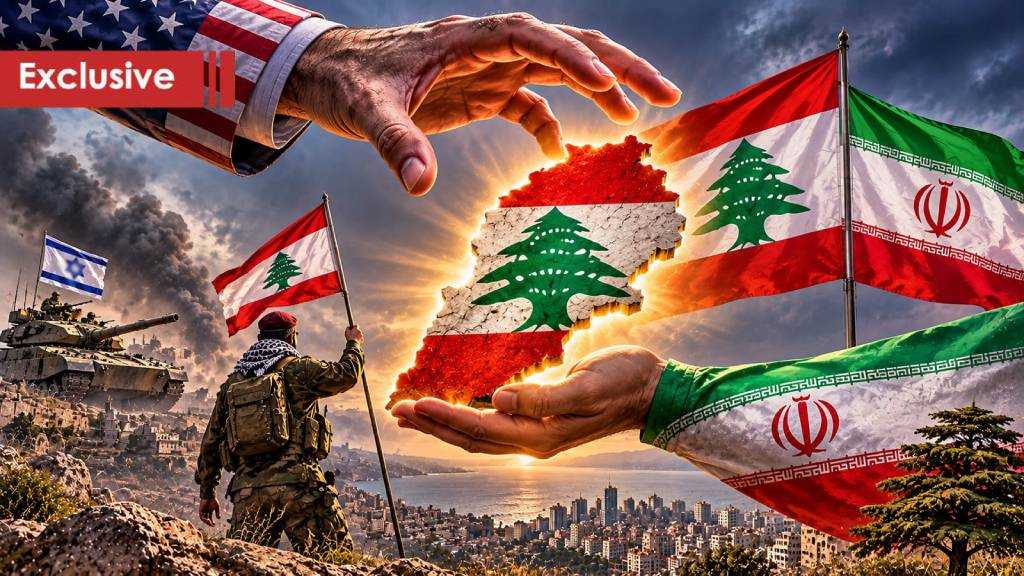
Aoun spoke of two threats to Lebanon’s independence: “Israeli” occupation and “external intervention, particularly by the Iranian regime.”
He declared that there could be “no occupation whatsoever” and “no weapons outside the state.”
But how can the Lebanese presidency invoke independence while presenting the force that expelled the “Israeli” occupation as part of the problem?!
I speak from personal experience. I studied in a school built with Iranian assistance. I received medical treatment in a hospital established through Iranian support.
For years, successive Lebanese governments- under powerful external influence, particularly from Washington- systematically neglected many Shia-majority areas.
Iran - thanks to Imam Khomeini groundbreaking initiative — stepped in with developmental and humanitarian assistance. It did not arrive as an occupying army. It came through schools, hospitals, reconstruction, social and military support.
Yet the president’s rhetoric reduced the Resistance to an “Iranian weapon,” as though its history could simply be erased.
The Resistance did not liberate southern Lebanon because international resolutions and diplomatic condemnations suddenly became effective; it was the Resistance that confronted the occupation when the international community repeatedly failed to do so.
The most astonishing contradiction is that this speech was delivered from the very land whose people endured occupation. The true completion of Lebanon’s independence begins with the liberation of every inch of the South still subjected to “Israeli” military pressure.
A president is supposed to speak for all Lebanese, but his speech sounded less like an address to a nation than an attempt to construct political barricades against one of Lebanon’s largest constituencies.
It was particularly disturbing that the parliamentary bloc representing the Resistance was effectively portrayed as an Iranian extension despite receiving a substantial share of the Lebanese electorate, and where is the same outrage toward American interference?
Why is Washington’s direct involvement in Lebanese political affairs treated as normal diplomacy, while every Iranian connection is presented as foreign tutelage?
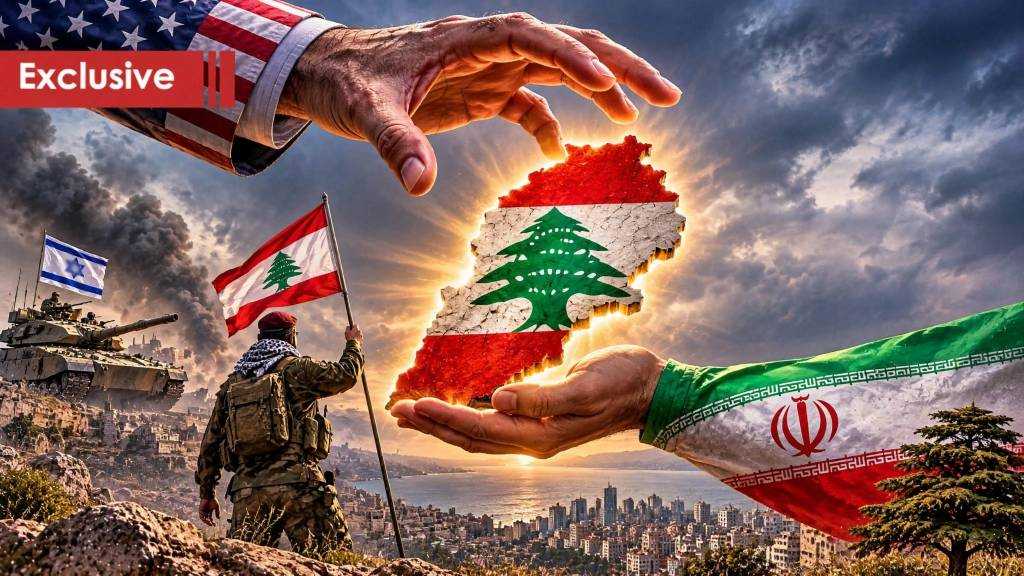
If Lebanon is truly rejecting “guardianship,” then it must reject every guardianship- not selectively condemn Tehran while remaining silent about Washington, Riyadh and “Israeli” pressure.
The language of “surrender the weapons” increasingly sounds less like the voice of a Lebanese presidency than the language demanded by “Israel” and its allies. Worse, it comes at a moment when “Israeli” forces continue threatening and encroaching upon southern villages and agricultural land.
What, then, has this diplomacy achieved?
What bargaining position remains if Lebanon voluntarily gives up the very card that could deter renewed “Israeli”-American aggression?
The irony is painful: on Independence Day, the president spoke of sovereignty while adopting a discourse that risks deepening foreign tutelage. Instead of uniting Lebanon against occupation, the speech divides Lebanese society along sectarian and political lines.
Lebanon does not need an anti-Iranian Independence Day speech. It needs an independence worthy of its name: independence from occupation, foreign dictates, and political dependency-regardless of where they originate.
Anything less is not sovereignty. It is simply replacing one form of tutelage with another
Comments