US Hacking Phones Due to Lack of Spies
Local Editor
Due to the attacks on Google's Android smartphone operating system in fall 2012 from malware with the colorful names of "Loozfon" and "FinFisher," the FBI's Internet Crime Complaint Center issued an alert to help defend against the threat.
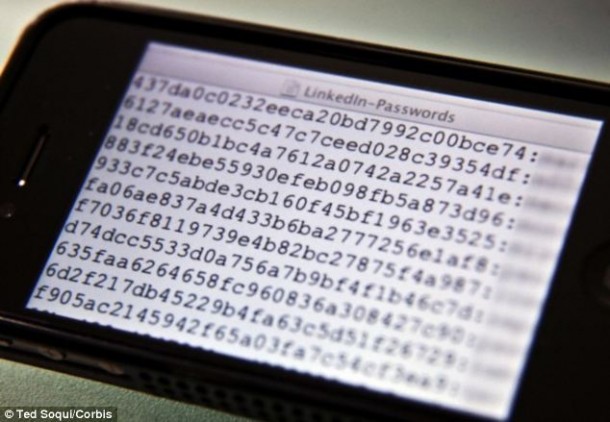
The FBI declared that the threat depended on the type of the phone adding that "the operating system may have encryption available. This can be used to protect the user's personal data."
Though, times had changed.
Last fall, when Apple and Google announced they were cleaning up their operating systems to ensure that their users' information was encrypted to prevent hacking and potential data loss, FBI Director James Comey attacked both companies.
He claimed the encryption would cause the users to "place themselves above the law."
The tech community fired back declaring that the only actions that had undermined the rule of law were the government's deceptive and secret mass-surveillance programs.
However, Michael Steinbach, FBI assistant director for counterterrorism, said it was "irresponsible" for companies like Google and Apple to use software that denies the FBI lawful means to intercept data.
Yet the FBI did have a lawful means to intercept it: the Foreign Intelligence Surveillance Act. Its scope was vastly expanded by Congress in the wake of the 9/11 attacks.
It's worth noting that the FBI never asked Congress to force tech companies to build "back doors" into their products immediately after the 9/11 attacks.
Only after Google and Apple took steps to patch existing security vulnerabilities did the bureau suddenly express concern that terrorists might be exploiting this encryption.
The larger problem confronting the FBI and the entire US intelligence community was their over-reliance on electronic technical collection against terrorist targets.
The best way to disrupt any organized criminal element was to get inside of it physically. But the US government's counterterrorism policies have made that next to impossible.
Overseas, the Cold War style of spying - relying on US embassies as bases from which CIA and other US government intelligence personnel operate - was increasingly difficult in the areas of the Middle East and southwest Asia undergoing often violent political change.
Steinbach testified about this before the House Homeland Security Committee earlier this month. "The concern is in Syria," he explained, "the lack of our footprint on the ground in Syria - that the databases won't have the information we need."
Notice his reference to technology "databases" rather than the importance of the human element.
The US intelligence community's emphasis should be on the spy on the ground who actually gathered critical information and made any penetration of a terrorist organization possible.
It boiled down to the fact that the FBI and the US intelligence community had failed to adapt their intelligence-collection practices and operations to meet the challenges of the "new world disorder" in which we live.
Using the legislative process to force companies to make defective electronic devices with exploitable communications channels in the hope that they would catch a tiny number of potential or actual terrorists is a self-defeating strategy.
If implemented, the FBI's proposal would only make all Americans more vulnerable to malicious actors online and do nothing to stop the next terrorist attack.
The FBI's attack on the encryption revolution was an assault on the efforts by citizens to maintain their Fourth Amendment rights against unlawful search and seizure.
Instead of fighting the modern encryption revolution, the government should be embracing it.
Source: News Agencies, Edited by website team
Comments

US Military Faces Strain as Iran War Continues
one month ago