Will "Israel’s" Next War be a Repeat of Lebanon 2006?

Source: Al-Manar TV, 05-10-2008
What will the next war look like? Recent statements from several senior ‘Israeli' military officials offer a surprising answer: Perhaps much like the last one, Haaretz analyzed.
Following on the ‘Israel' Defense (War) Forces' failure in the 2006 Second Lebanon War, the army is likely to resume fortifying its maneuvering capability, represented by the Armored and Infantry Corps, at the expense of its firepower, particularly that of the Air Force.
However, a recent interview with GOC Northern Command Gadi Eisenkot, and articles written by two senior reserve officers, indicate that the Israeli army will continue to give first priority to firepower, even if the targets it chooses are different than those chosen in previous conflicts.
This is not merely a theoretical matter. Though neither ‘Israel' nor Hizbullah seems particularly interested in another round of fighting, another conflagration is certainly possible. This could come as a result of a revenge attack for the February assassination of senior Hizbullah military commander (martyr) Imad Moghniyeh or as an ‘Israeli' response to the group's possession of anti-aircraft weapons.
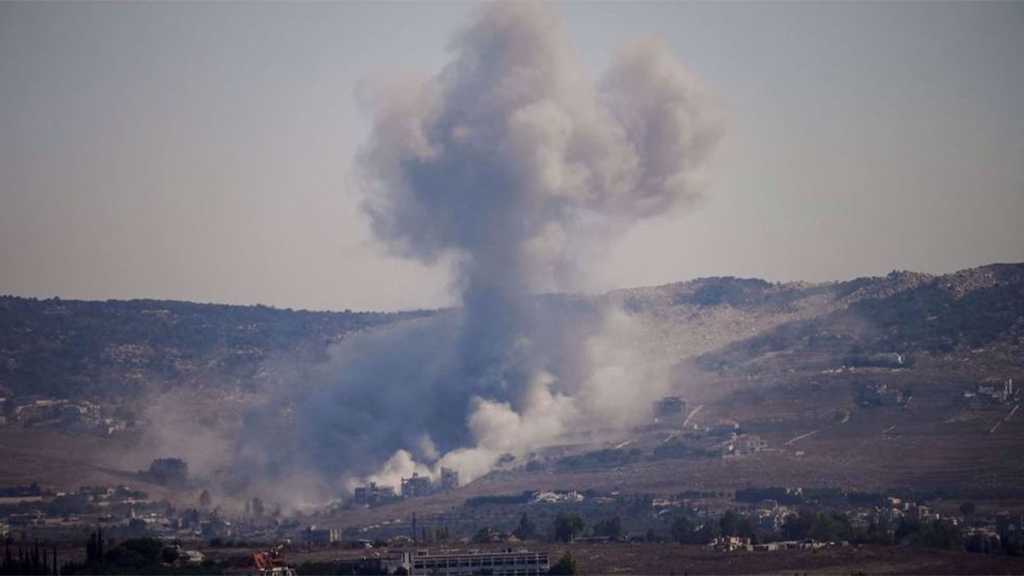
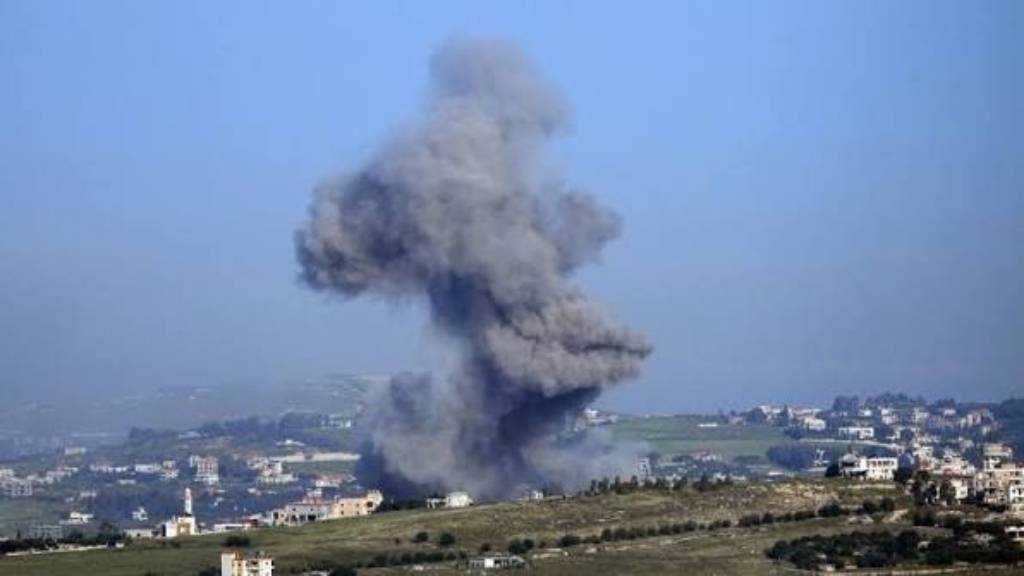
In an interview Friday with the daily Yedioth Ahronoth, Eisenkot presented his "Dahiye Doctrine," under which the ‘Israeli' army would expand its destructive power beyond what it demonstrated two years ago against the Beirut suburb of Dahiye, considered a Hizbullah stronghold.
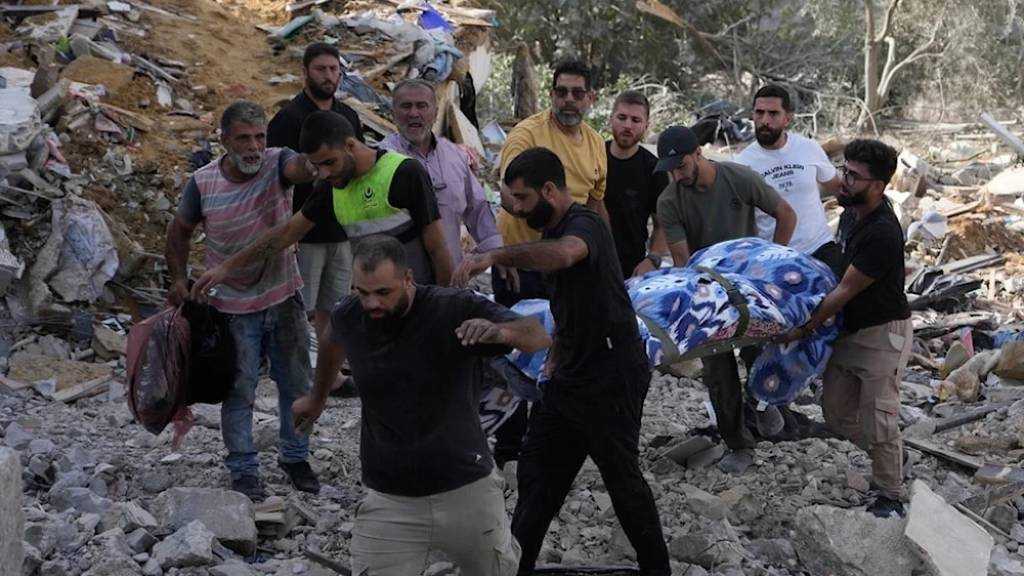
"We will wield disproportionate power against every village from which shots are fired on 'Israel', and cause immense damage and destruction. From our perspective, these are military bases," he said. "This isn't a suggestion. This is a plan that has already been authorized."
Colonel (Res.) Gabriel Siboni recently authored a report through Tel Aviv University's Institute for National Security Studies backing Eisenkot's statements.
The answer to rocket and missile threats from Syria, Lebanon and the Gaza Strip, he believes, is "a disproportionate strike at the heart of the enemy's weak spot, in which efforts to hurt launch capability are secondary. As soon as the conflict breaks out, the Israeli War Forces will have to operate in a rapid, determined, powerful and disproportionate way against the enemy's actions."
WE ARE FIGHTING WRONG ENEMY; HIZBULLAH INSTEAD OF LEBANON GOV'T
Major General (Res.) Giora Eiland, formerly head of the National Security Council, believes 'Israel' failed in the Second Lebanon War and is liable to fail in a third such war, because it is fighting the wrong enemy: Hizbullah, instead of the state of Lebanon itself.
Writing for an INSS publication set to come out this week, Eiland states it is impossible to beat an efficient guerrilla army supported by a state immune from retribution. The fact that Hizbullah has rebuilt its strongholds beneath villages in southern Lebanon will make any ‘Israeli' army maneuvering efforts difficult, he writes, adding that targeted strikes against rocket launch sites will not decrease the number of rockets fired at ‘Israel'.
Eiland recommends preemptive action: that ‘Israel' passes a clear message to the Lebanese government, as soon as possible, stating that in the next war, the Lebanese army will be destroyed, as will the civilian infrastructure.
"People won't be going to the beach in Beirut while Haifa residents are in shelters," he writes.
While Eisenkot and Siboni deal primarily with striking southern villages, Eiland sees Lebanon's infrastructure as a primary target, in a plan highly reminiscent of the one proposed by then-‘Israeli' army chief of staff Dan Halutz, which was eventually shot down by U.S. opposition.
Eisenkot's "Dahiyah Doctrine" also raises a number of questions about a possible international backlash, which could end the conflict under conditions favorable to the enemy.
What the three officials have in common, surprisingly, is their emphasis on air power, the Haaretz analysis said. Anyone who thinks the Air Force will step aside given the results of the last Lebanon war will likely be proven wrong, it added.