- Home
- ISLAMIC RESISTANCE
- SECRETARY-GENERAL
-
Full Speeches
- Speeches-2000
- Speeches-2006
- Speeches-2007
- Speeches-2008
- Speeches-2009
- Speeches-2010
- Speeches-2011
- Speeches-2012
- Speeches-2013
- Speeches-2014
- Speeches-2015
- Speeches-2016
- Speeches-2017
- Speeches-2018
- Speeches-2019
- Speeches-2020
- Speeches-2021
- Speeches-2022
- Speeches-2023
- Speeches-2024
- Speeches-2025
- Speeches-2026
- Speech-Reports
- SG
-
Full Speeches
- Voices
- Ten Day Dawn
- The Biggest Crime
- Martyr Leaders

Berri: Electoral law is the worst it could ever be

Source: Nowlebanon.com, 14-11-2008
Speaker Nabih Berri said that the electoral law adopted at Doha did not incorporate unity, but rather intensified sectarianism. However, he added, that it could be tested first, and undergo surgery later.
After meeting with a student delegation from Saint Joseph University on Friday, Berri said that Lebanon had witnessed crucial developments lately, including the election of the president, the formation of the unity cabinet, the resumption of work in parliament in the presence of a legitimate cabinet, and the adoption of the electoral law, even though that law "is worse that could ever be." "We accepted the 1960 electoral law because the law can be changed every four years, but the nation does not change," he said.
With the students from St. Joseph, Berri said he welcomed meeting with them for two reasons. "First, because the results of the elections in the Jesuit University was kind of overcoming the fact that some universities are monopolized by some sects," he said, "Second, because what happened was sort of a big openness and it occurs for the first time whereby Amal Movement and the opposition won in the university and this victory is related to the Lebanese unity and the nation's destiny."
Berri called for building on and continuing recent progress, and said that the most dangerous current issue in the country was the judicial system, "which when absent, means there can be no tranquility." Berri said that the judicial appointments had been finalized a month and a half prior to the formation of the cabinet and only decrees still needed to be issued. "However, they are still stuck, and the judicial system is in a state of precise observation," he said.
Berri told the students, "I advise you as a brother to adopt dialogue. In Lebanon there are no conflicts, and we should all talk to each other, and our youth should know this principle."
- Related News
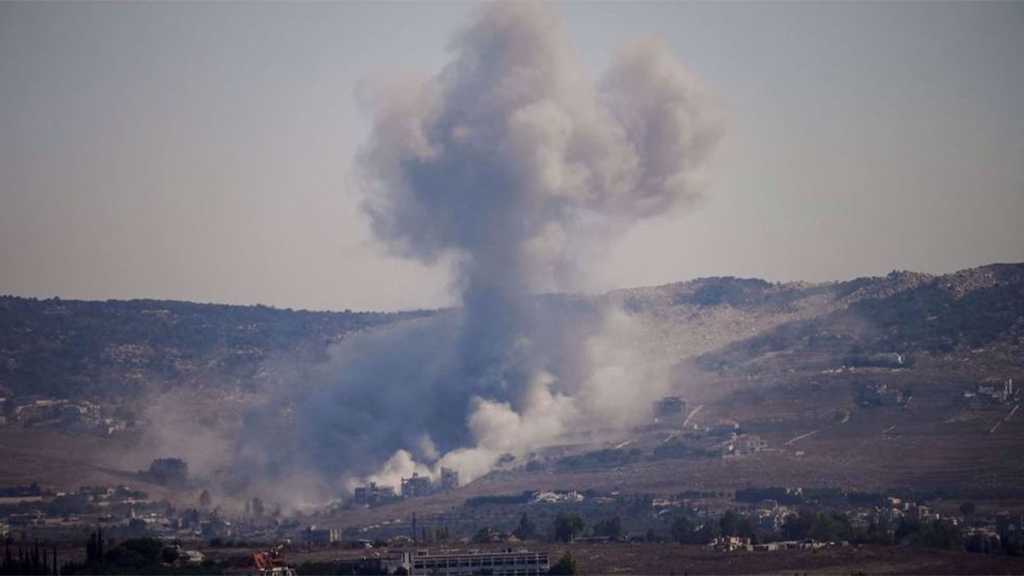
13 Killed in ’Israeli’ Strikes on Southern Lebanon
one month ago