World Orgs Sound Alarm on Intolerable Gaza Catastrophe
By Staff, Agencies
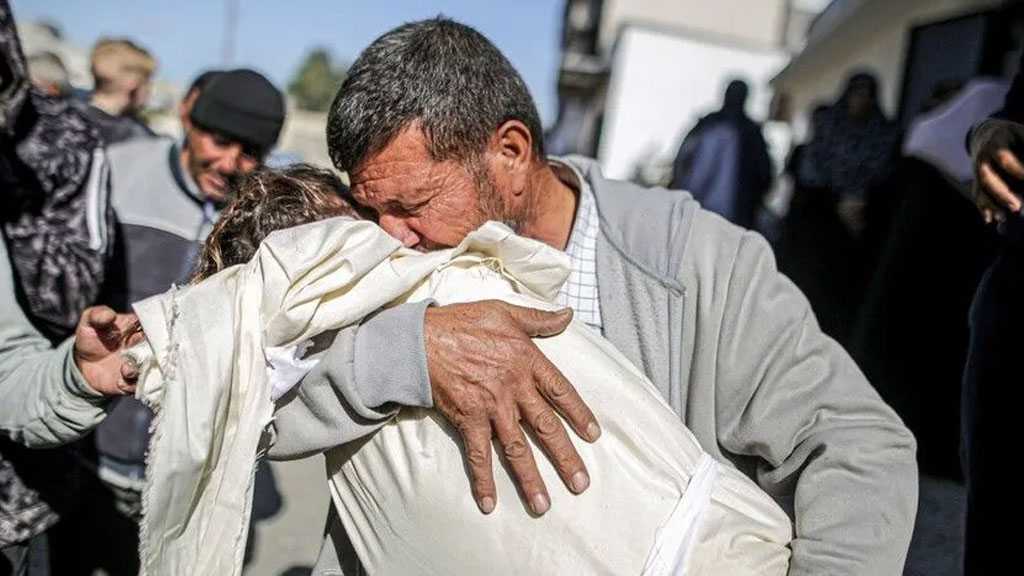
Ireland’s former President Mary Robinson has described the situation in Gaza as “intolerable” and called on Europe to “be outspoken” about its values.
Speaking on RTÉ’s Six One News on Friday, Robinson said Europe is horrified by the humanitarian conditions in Gaza and the West Bank.
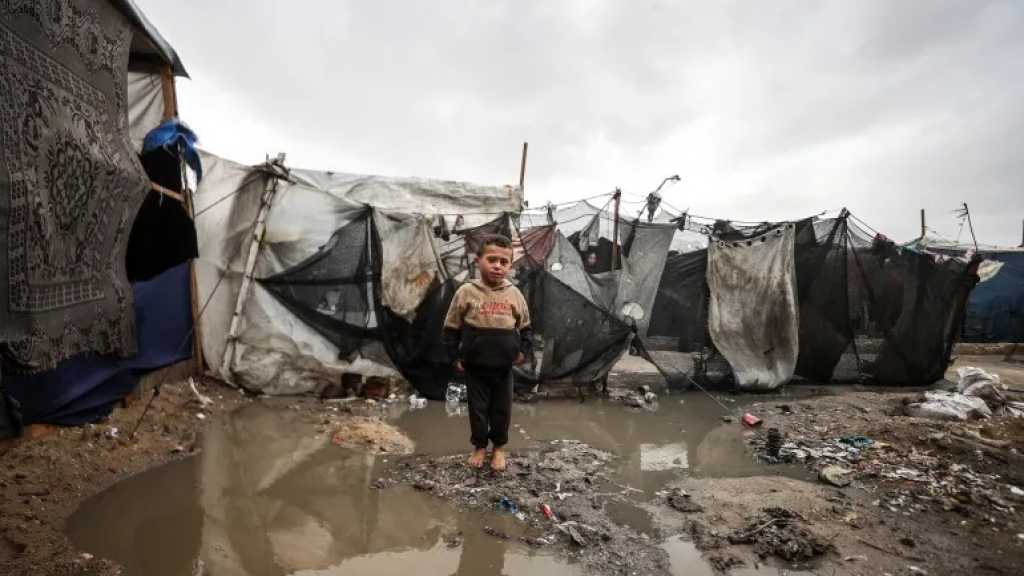
“It is appalling what is going on there. Gaza is truly horrific. There is an unfolding genocide, people are confined to a small strip, it is winter and the tents are flooded," she stressed.
She further stated that “People should speak about this. Europe should be outspoken on its values. It is just not tolerable.”
Robinson was in the news as European summits took place this week, and she was presented with the European Order of Merit in recognition of a lifetime of leadership on human rights, equality, and justice.
Meanwhile, in the UK, calls for accountability over Gaza are also being raised in Parliament.
British MP Apsana Begum used a House of Commons debate on Gaza’s humanitarian situation on Thursday, November 12, to press the government on Britain’s part in the global F-35 program. She directed her questions at Middle East Minister Stephen Doughty, asking whether components made in the UK were ending up with "Israel" and being used against hospitals in the territory.
The challenge came shortly after an “Israeli” aggression on the Nasser Medical Complex in Khan Younis, in southern Gaza. Six Palestinians were martyred in the attack, among them surgeon Dr. Rizq Abu Shaeera, and over 20 more people were wounded.
Begum pointed out that the facility had come under fire six times over the past three years, and she cited this as evidence of a wider, systematic effort to dismantle healthcare services across Gaza. She also invoked the word “medicine”, a term UN expert have applied to the wrecking of medical systems during armed conflict.
Turning to the minister, she asked, “Can the minister confirm whether this government is tracking ‘Israel’s’ use of the F-35 parts that are still shamefully being exported to ‘Israel’ from the UK and whether they are being used to deliberately target Gaza’s last remaining hospitals?”
Earlier, the World Health Organization cautioned that respiratory illnesses are climbing quickly in Gaza and are likely to get worse after heavy rain flooded tens of thousands of tents where displaced Palestinians are sheltering.
“The numbers already show the pressure. Acute respiratory infections are 33,000 cases higher than at the same time last year,” Dr. Reinhilde Van De Weerdt, the WHO Representative in the Occupied Palestinian Territory, told reporters in Geneva, speaking from Al-Quds.
According to the WHO, cramped and poor living conditions are fueling the infections as Gaza’s population is forced into an ever-shrinking area. The “Israeli” military has made matters worse by pushing forward the “yellow line”, the demarcation set under the US-brokered "ceasefire" in October.
“That means people are living in more crowded conditions, where of course the spread between humans of a virus is much more prone to spread,” Dr Van De Weerdt explained.
Respiratory infections now make up 11% of all consultations. The WHO expects cold weather, flooding, crowded shelters, and poor ventilation to drive that share up.
“It is shocking that just a few days of rain really showed us what the coming months will bring. And winter has not even fully set in. The worst really is yet to come,” Dr. Van De Weerdt said.
The WHO estimates that nearly a million forcibly displaced people in Gaza are living in areas exposed to flooding, with 400,000 of them in locations regarded as being at extremely high risk.
It said floods increase the chance of contaminated water, and standing water offers mosquitoes and pests more places to breed. Damp conditions also promote mould and bacteria, which are major causes of respiratory infections, particularly among young children.
The agency is having trouble bringing in laboratory supplies, which it describes as essential for diagnosing patients before treatment can begin.
“To prevent outbreaks, we really call to let laboratory equipment enter Gaza today, so that we can avoid a public health disaster on top of a disaster,” it added